

By Joy Onu
Nigeria has reaffirmed its determination to take full ownership of its health sector, declaring that the wellbeing of its citizens must remain under national control despite emerging shifts in global health funding.
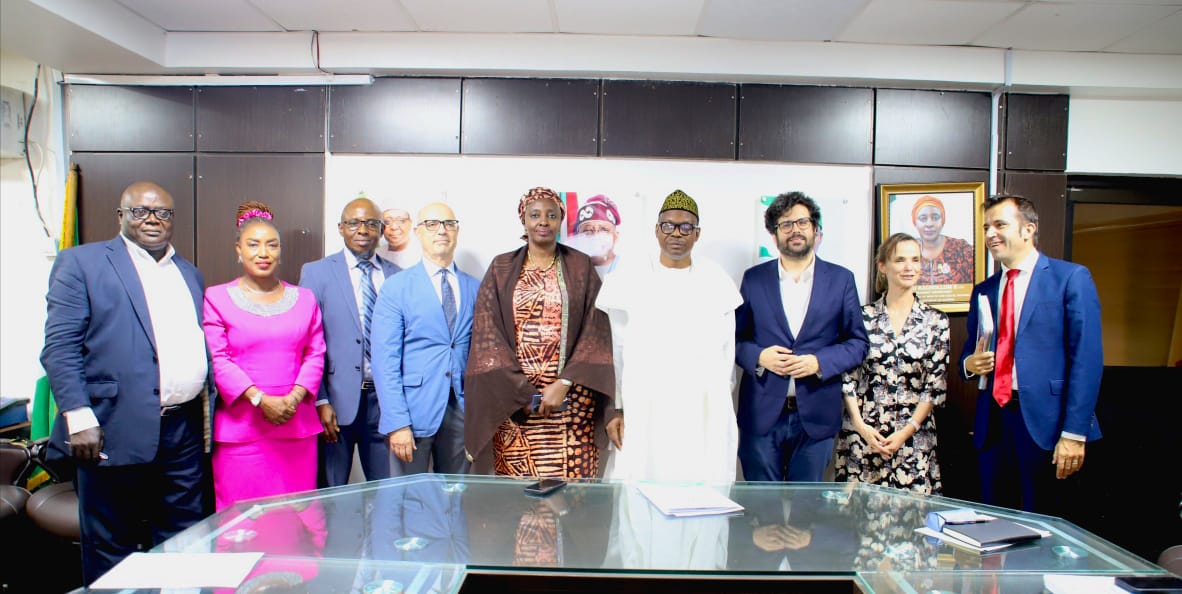
In a press release to the media signed by Ado Bako, Assistant Director, Information and Public Relations at the Federal Ministry of Health and Social Welfare, on Tuesday, February 24, 2026, the Minister of State for Health and Social Welfare, Dr. Iziaq Adekunle Salako, made this known while receiving the Ambassador of Spain to Nigeria, His Excellency Felix Costales Artieda, who led a delegation on a courtesy visit to his office in Abuja.
The visit provided an opportunity for the Spanish delegation to brief the Nigerian government on health programmes being implemented by the Spanish Agency for International Development Cooperation and to explore areas of strengthened collaboration between both countries.
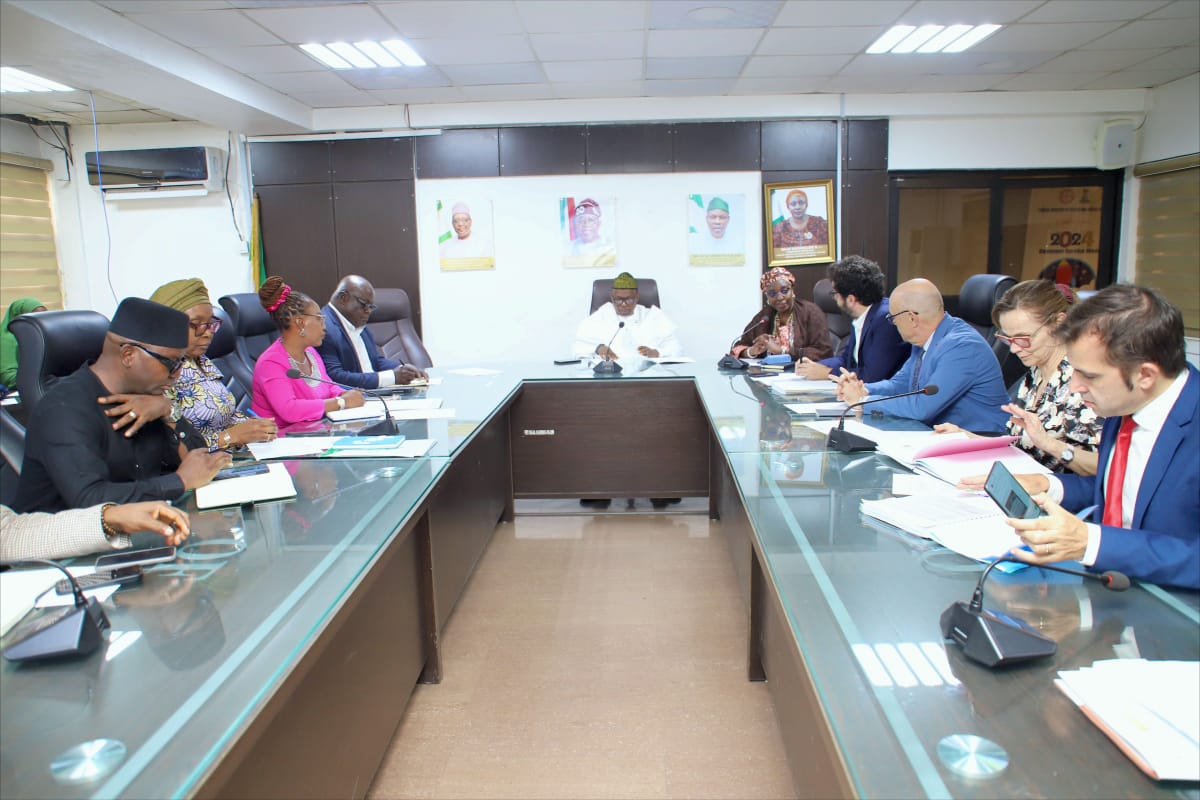
Addressing the delegation, Dr. Salako described the ongoing changes in global health financing as a legitimate concern for Nigeria but stressed that the country cannot afford to depend entirely on external support to safeguard public health.
“The concern with the changes around global health funding is a legitimate concern, and Nigeria is also concerned. But of course, we also realize that we cannot be dependent on anybody for the health of our citizens. We must take responsibility, and we must be in the driver’s seat for the health of our citizens,” he stated.
He explained that the administration of President Bola Ahmed Tinubu is implementing reforms through the National Health Sector Renewal Investment Initiative, a comprehensive transformation agenda structured around four strategic pillars aimed at repositioning the nation’s health system.
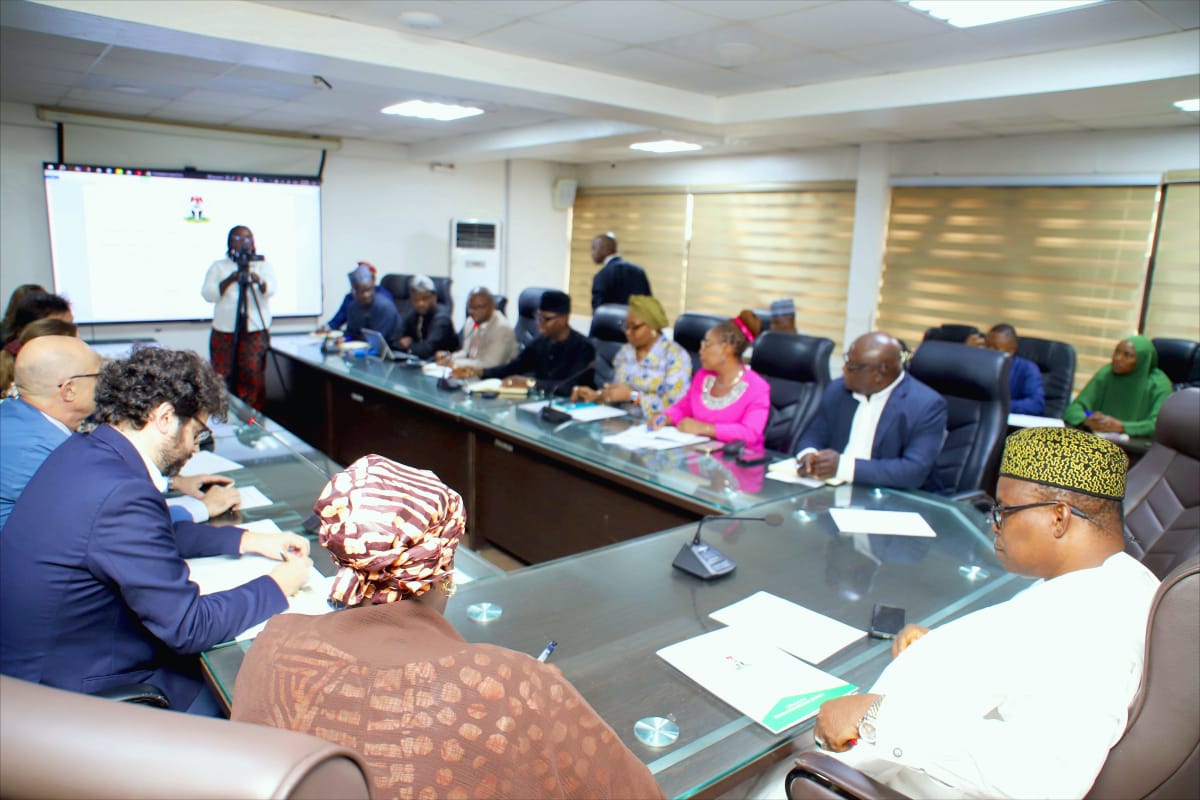
According to the Minister, discussions at the meeting also created an opportunity for Nigeria and Spain to revisit the Memorandum of Understanding signed in 2022, with a view to activating and implementing key aspects of the agreement. He highlighted technology transfer as a central component of the MoU, noting that it aligns with Nigeria’s ambition to unlock the healthcare value chain.
This objective, he said, is being advanced through the Presidential Initiative on Unlocking the Healthcare Value Chain (PVAC), which is promoting local manufacturing and strengthening domestic capacity within the sector.
On maternal health and specialized care, Dr. Salako pointed to efforts to address obstetrics fistula and gynecology-related challenges. He noted that specialized institutions have been established to focus on obstetrics and gynecology, while free treatment and social integration support are being provided for individuals affected by obstetrics fistula and related conditions.
Speaking on behalf of the Spanish delegation, Mr. Anton Leis, Director of the Spanish Agency for International Development Cooperation, outlined several multilateral initiatives currently underway in Nigeria. He stated that the agency is collaborating with United Nations Population Fund to combat harmful practices such as female genital mutilation and to support the eradication of polio.
He further disclosed that the agency is working with UNICEF and the European Union to promote health efficiency and expand activities in Nigeria’s medical products industry, with a total contribution of 1.1 million euros so far.
Commending Nigeria’s sector-wide approach model, Mr. Leis described it as fundamental because it promotes alignment under one plan and one budget. He added that ongoing efforts to improve health efficiency also involve collaboration with the National Institute for Pharmaceutical Research and Development, the National Agency for Food and Drug Administration and Control, and the Resilient Initiative for Unlocking the Healthcare Value Chain.
Earlier in her welcome remarks, the Permanent Secretary of the Ministry, Daju Kachollom S. mni, underscored the long-standing relationship between Nigeria and Spain, recalling that both countries signed Memoranda of Understanding in 2022 and 2025 to strengthen collaboration.
