

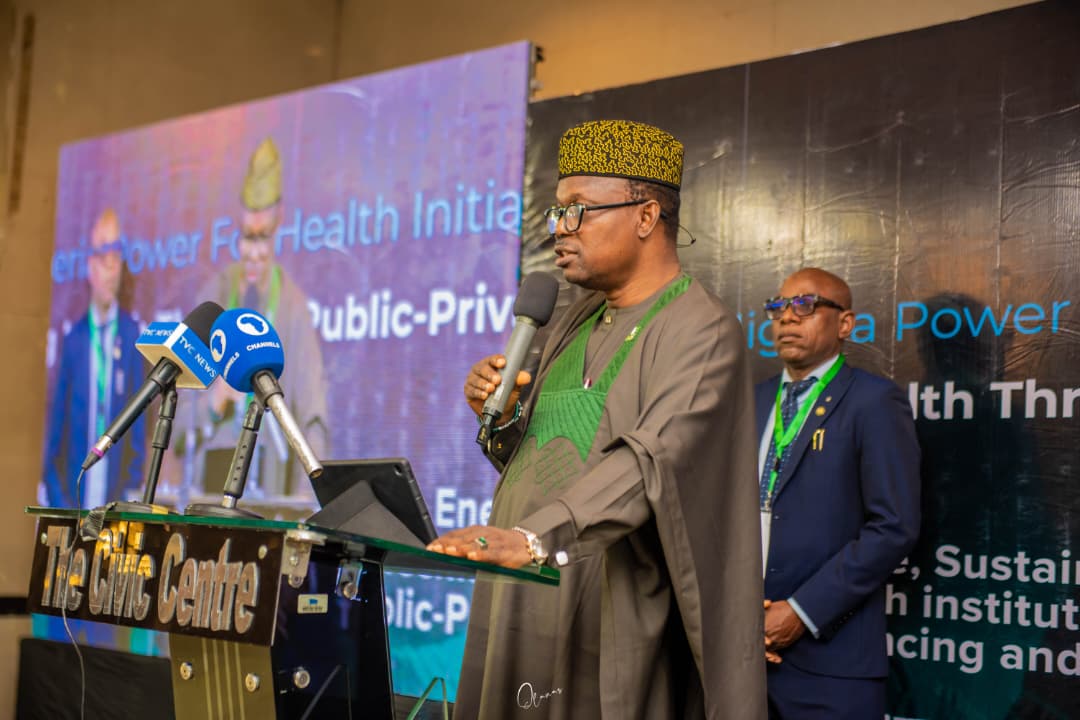
The Federal Ministry of Health and Social Welfare has intensified its drive to attract private sector investment into the electrification of healthcare facilities across Nigeria, as part of efforts to strengthen service delivery and improve health outcomes nationwide.
In a statement issued on Monday by Ado Bako, Assistant Director of Information and Public Relations at the Federal Ministry of Health and Social Welfare, the initiative featured prominently at the National Healthcare Electrification Investor Matchmaking Forum held on June 15, 2026, at the Civic Centre, Victoria Island, Lagos.
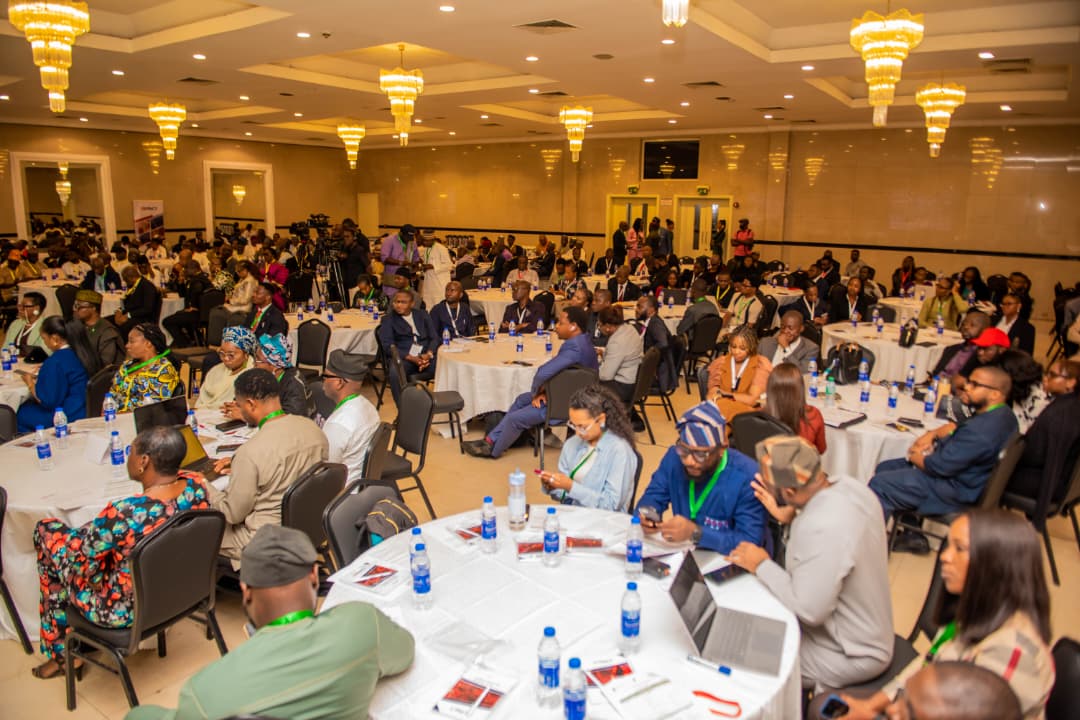
The forum convened key stakeholders from the power, finance, climate, development and private sectors to deliberate on sustainable energy solutions aimed at improving electricity supply in healthcare facilities across Nigeria.
Speaking at the forum, the Honourable Minister of State for Health and Social Welfare, Federal Ministry of Health and Social Welfare, Dr. Iziaq Adekunle Salako, said the Ministry is leading a coordinated national effort to tackle energy poverty in the health sector through structured investment partnerships.
He explained that unreliable electricity remains a major challenge undermining healthcare delivery in Nigeria, affecting critical services such as surgeries, vaccine storage, diagnostic testing, oxygen supply, emergency response systems and digital health innovation.
According to him, the Ministry now considers electricity a core pillar of healthcare delivery rather than a supporting utility, noting that no meaningful health sector reform can succeed without stable and affordable power supply in hospitals.
Dr. Salako said the Nigeria Power for Health Initiative (NPHI), approved by President Bola Ahmed Tinubu, represents the Ministry’s flagship framework for transforming energy access in health institutions across the country.
He explained that the initiative, anchored in the Federal Ministry of Health and Social Welfare, introduces a shift from traditional government-funded infrastructure provision to a private-sector-driven Energy-as-a-Service model designed to ensure sustainability and efficiency.
Under the arrangement, Energy Service Providers will finance, deploy, operate and maintain power systems in health facilities, while hospitals focus solely on delivering medical care. The Ministry said this structure will improve accountability, reduce downtime and attract long-term private capital into the sector.
Although implementation currently prioritises federal tertiary health institutions, the Ministry confirmed that the framework is designed to scale across primary, secondary and private healthcare facilities nationwide.
Dr. Salako also outlined the governance structure being coordinated by the Ministry, including an inter-ministerial steering committee, a 24-member inter-agency technical team, facility energy management units and a dedicated project secretariat within the Ministry.
He further noted that the Ministry is driving a blended financing strategy combining government resources, development finance, climate funding, concessional capital and private investment to accelerate nationwide deployment of clean and reliable energy solutions in hospitals.
Development partners, including UK PACT and Landell Mills International, were commended for supporting the Ministry in designing the implementation framework for the initiative.
Dr. Salako urged investors, commercial banks, infrastructure funds, impact financiers and energy developers to align with the Ministry’s pipeline of healthcare electrification projects, describing the programme as a major opportunity at the intersection of health security, climate resilience and sustainable infrastructure.
He added that the initiative will also reduce reliance on diesel-powered generators, which continue to impose high operational costs on healthcare facilities across the country.
Describing the forum as a key milestone in the Ministry’s reform agenda, he said it marks the beginning of a structured investment platform where ideas are converted into projects and projects into sustainable energy solutions for hospitals nationwide.
The Ministry reaffirmed its commitment to providing a stable policy environment and strong institutional backing to ensure successful implementation and investor confidence.
“Together, we can ensure that every healthcare facility in Nigeria has access to reliable, affordable and sustainable energy,” Dr. Salako said.
