

By Vicky Attah, Correspondent
Nigeria’s drive to build a $1 trillion economy has received a significant boost, with the Federal Government announcing that it has facilitated more than $50 billion in foreign direct investment (FDI) commitments alongside billions of dollars in non-oil exports and expanded support for businesses across the country.
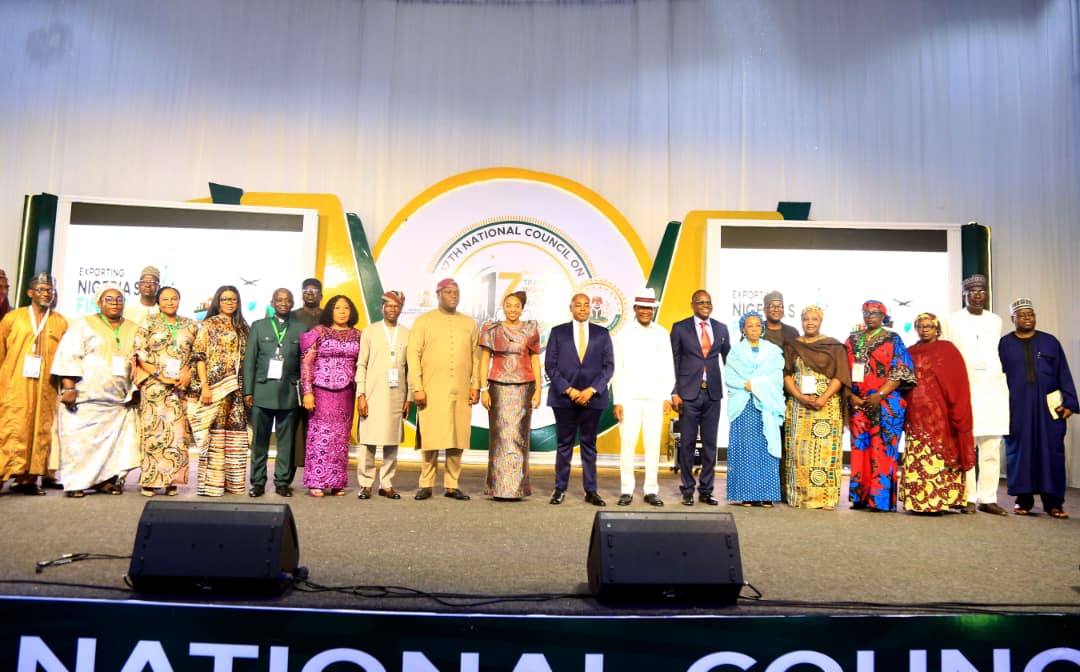
The announcement was made by the Minister of Industry, Trade and Investment, Dr. Jumoke Oduwole, during the opening of the Executive Session of the 17th National Council on Industry, Trade and Investment (NCITI) in Enugu State on Wednesday.
According to a statement issued on Thursday by the ministry’s Head of Press and Public Relations, Obilor-Duru Augustina Okechi, Oduwole said Nigeria has also recorded $6.1 billion in non-oil exports, disbursed more than ₦600 billion through the Bank of Industry, registered over 500,000 Micro, Small and Medium Enterprises (MSMEs) in the national database and supported nearly 300,000 Nigerians through skills development programmes.
She said the achievements reflect the impact of the Federal Government’s economic reforms under the Renewed Hope Agenda and reaffirmed the ministry’s commitment to translating policy reforms into increased production, stronger exports, higher investment inflows and more employment opportunities.
As part of efforts to improve Nigeria’s competitiveness, Oduwole said the council would consider measures aimed at strengthening industrial clusters, expanding manufacturing, improving investment facilitation, advancing digital trade, implementing the National Single Window, reinforcing intellectual property protection and deepening Nigeria’s participation in the African Continental Free Trade Area (AfCFTA).
She added that ministries, departments and agencies responsible for implementing the council’s resolutions must ensure they are backed by clear ownership, realistic timelines and measurable outcomes.
Representing Enugu State Governor, Dr. Peter Ndubuisi Mbah, the Deputy Governor, Barr. Ifeanyi Ossai, said Nigeria must address persistent challenges such as high financing costs, regulatory bottlenecks and limited access to development finance if it is to improve industrial competitiveness.
He urged governments, financial institutions and private sector operators to strengthen collaboration in creating a business environment capable of driving industrial expansion, attracting investment and generating employment.
The Minister of State for Industry, Senator John Owan Enoh, said the implementation of the Nigeria Industrial Policy 2025 through the Industrial Revolution Work Group (IRWG) would focus on affordable financing for industries, value addition, manufacturing growth and stronger public-private partnerships to raise the sector’s contribution to the nation’s Gross Domestic Product (GDP).
Earlier, Enugu State Commissioner for Trade, Investment and Industry, Dr. Samuel Ogbu-Nwobodo, said reforms in infrastructure, security, digital governance, investment promotion and ease of doing business have positioned the state as an attractive destination for industrial investment.
Goodwill messages from the United Nations Industrial Development Organization (UNIDO), the Nigerian Association of Chambers of Commerce, Industry, Mines and Agriculture (NACCIMA) and the Nigerian Society of Engineers (NSE) reaffirmed their commitment to supporting the Federal Government’s industrial development agenda.
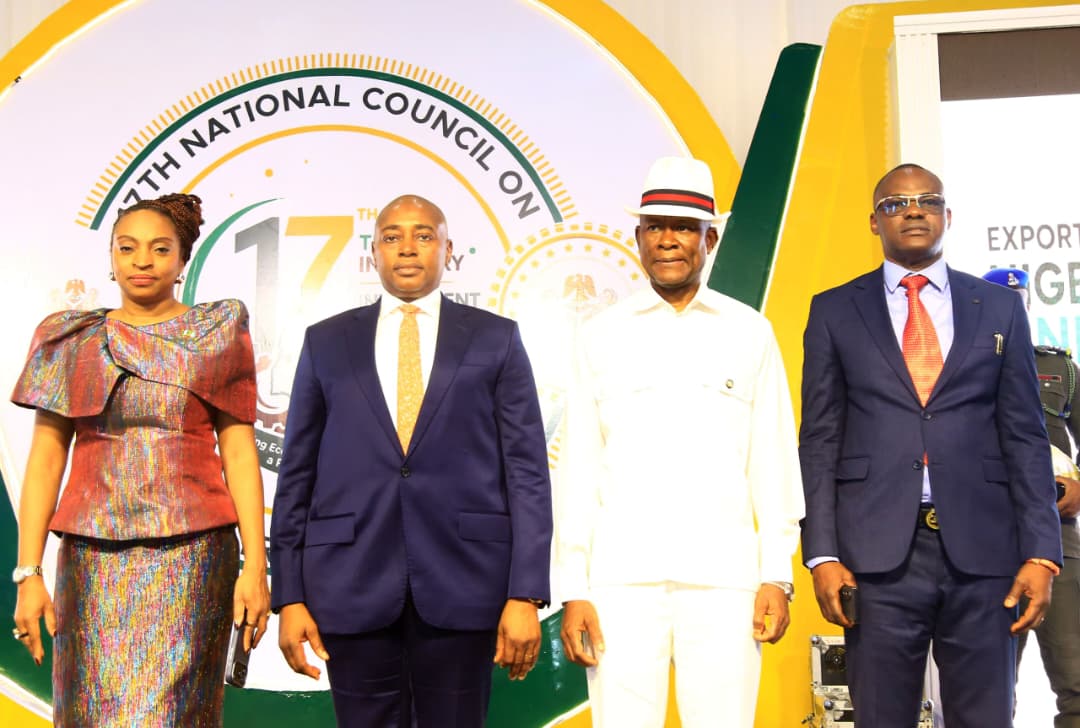
In his closing remarks, the Permanent Secretary of the Federal Ministry of Industry, Trade and Investment, Dr. Chris Osa Isokpunwu, thanked the Enugu State Government, development partners, the organised private sector and delegates for their support. He expressed confidence that the council would deliver actionable resolutions to accelerate industrialisation, expand trade, attract more investment and promote inclusive economic growth.
