

By Vicky Attah, Correspondent
The Federal Government has announced that Nigeria recorded more than US$24.1 billion in capital importation, generated over US$6.1 billion in non-oil exports and supported more than 115,000 Micro, Small and Medium Enterprises (MSMEs) as part of measures aimed at achieving a $1 trillion economy.
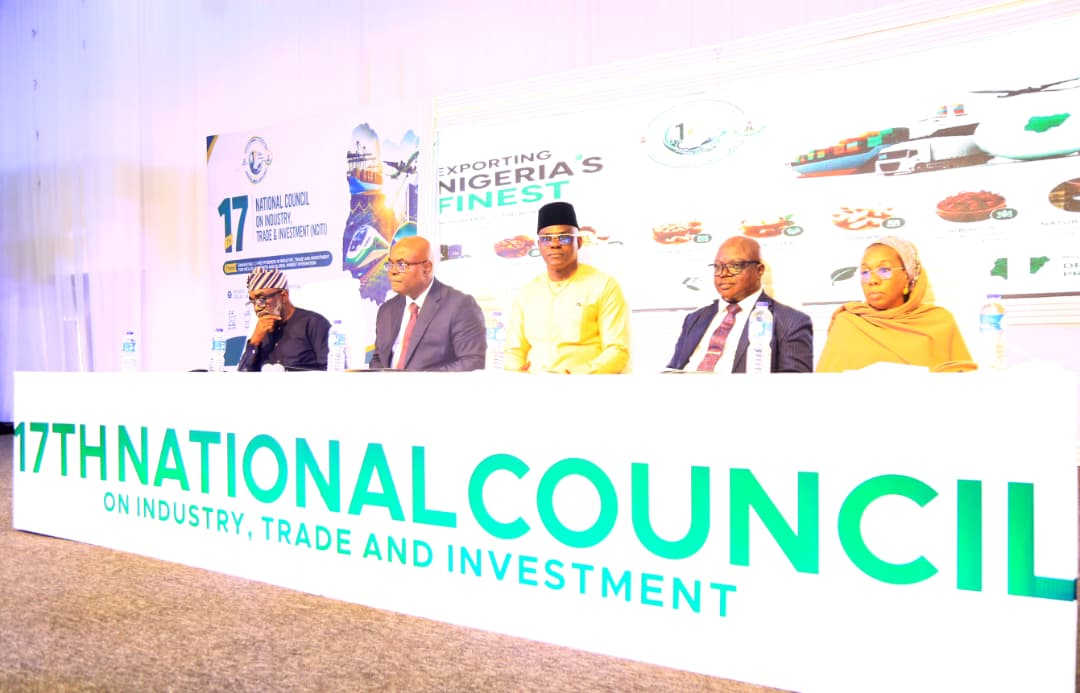
The figures were presented as the 17th National Council on Industry, Trade and Investment (NCITI) commenced its technical session in Enugu, bringing together federal and state government officials, industry stakeholders and development partners to assess progress and develop strategies for the next phase of Nigeria’s industrial, trade and investment drive.
According to a statement issued on Tuesday by the Head, Press and Public Relations, Federal Ministry of Industry, Trade and Investment (FMITI), Obilor-Duru Augustina Okechi, the session, held at Hotel Presidential, Enugu, provided a platform for stakeholders to review ongoing reforms and discuss measures to strengthen the country’s economic competitiveness.
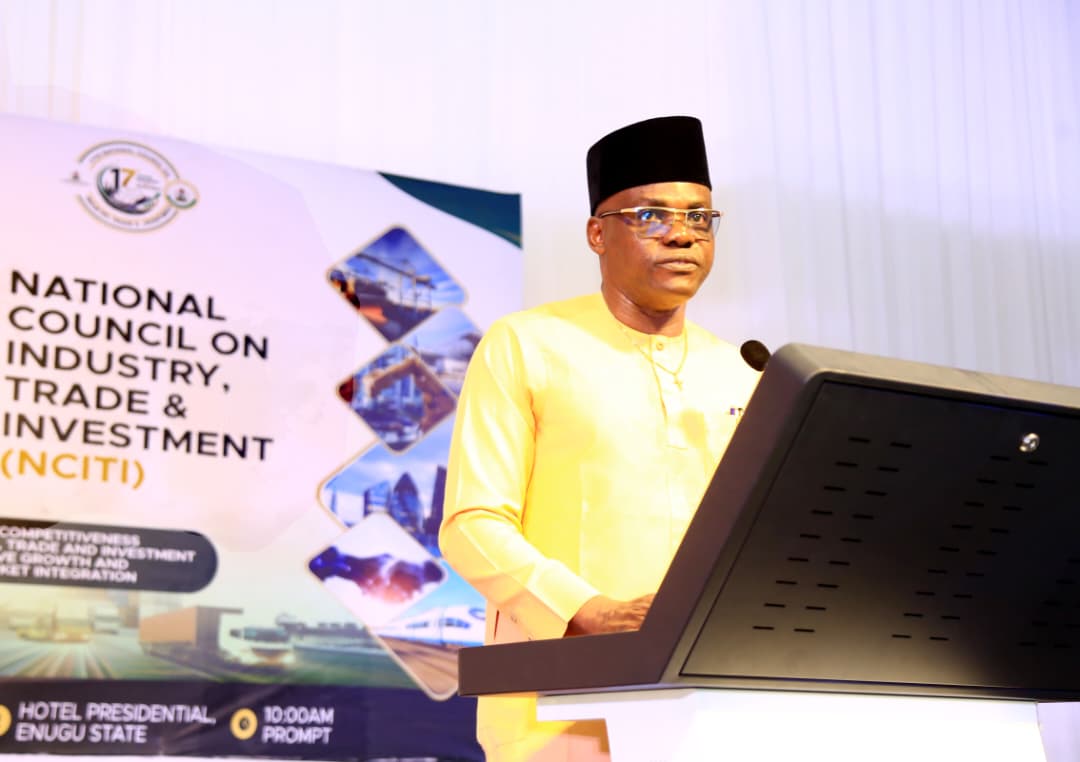
Declaring the technical session open on behalf of the Minister of Industry, Trade and Investment on Monday, the Permanent Secretary of the ministry, Dr. Chris Osa Isokpunwu, described the gathering as the Council’s “engine room,” where policy memoranda are carefully examined, implementation challenges reviewed and practical recommendations developed ahead of the executive session.
He said the theme of the 2026 council, “Enhancing Competitiveness in Industry, Trade and Investment for Inclusive Growth and Global Market Integration,” reflects the Federal Government’s commitment to deepening industrialisation, improving productivity, attracting investment, expanding exports, creating jobs and strengthening Nigeria’s position in the global economy.
Isokpunwu also pointed to key government reforms, including the operationalisation of the National Single Window, trade facilitation initiatives, digital public infrastructure and the implementation of the African Continental Free Trade Area (AfCFTA).
He urged delegates to develop practical and evidence-based recommendations through stronger cooperation among government institutions, the private sector and development partners to support sustainable economic growth.
At the event, the Enugu State Commissioner for Trade and Investment, Dr. Samuel Ogbu-Nwobodo, and the Permanent Secretary of the Enugu State Ministry of Trade and Investment, Mr. Ifeanyi Onah, welcomed participants and highlighted the state’s investment opportunities.
They said that reforms such as Executive Order 007 had improved ease of doing business and government efficiency, while reaffirming Enugu State’s commitment to infrastructure development, security, MSME growth and investment promotion.
Presenting an update on the implementation of resolutions from the 16th NCITI, the Director of Policy, Planning, Research and Statistics at the ministry, Mrs. Iya Gamawa, said notable progress had been achieved across the 22 resolutions adopted by the previous council.
She highlighted improvements in digital trade facilitation, industrial development, AfCFTA implementation, MSME support, infrastructure development and evidence-based industrial policy.
Gamawa said that more than 40,000 exporters had been registered on the Nigerian Export Promotion Council’s digital export registration platform, adding that stronger regulatory systems, expanded Special Economic Zones and improved access to finance were contributing to a better business environment.
She further said the ministry’s performance under the Renewed Hope Agenda had resulted in over US$24.1 billion in capital importation and more than US$6.1 billion in non-oil exports, while efforts were ongoing to establish a ₦350 billion MSME Development Fund to accelerate enterprise growth.
According to her, 2026 represents the first full year of implementing the Nigeria Industrial Policy (2025–2035), which focuses on industrialisation, strategic value chains, digital transformation and stronger partnerships aimed at driving sustainable economic growth and positioning Nigeria among the world’s leading economies.
The technical session will proceed with the consideration of memoranda submitted by the ministry, its departments and agencies, state governments and other stakeholders. The resolutions reached will be presented for adoption at the executive session of the 17th National Council on Industry, Trade and Investment.
