

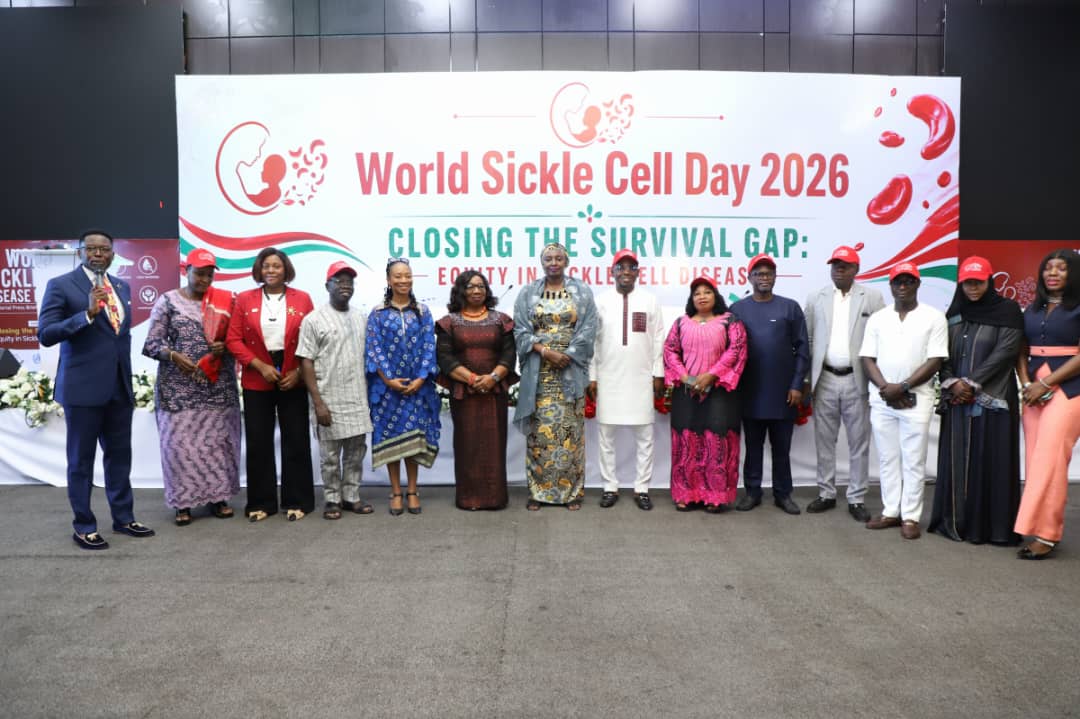
The Federal Government has unveiled fresh measures to improve survival rates among Nigerians living with sickle cell disease, promising to expand newborn screening, strengthen treatment services and make life-saving care more accessible across the country.
The Coordinating Minister of Health and Social Welfare, Professor Muhammad Ali Pate, announced the initiatives on Friday in Abuja during activities marking the 2026 World Sickle Cell Day, saying the reforms are aimed at tackling one of Nigeria’s most persistent public health challenges.
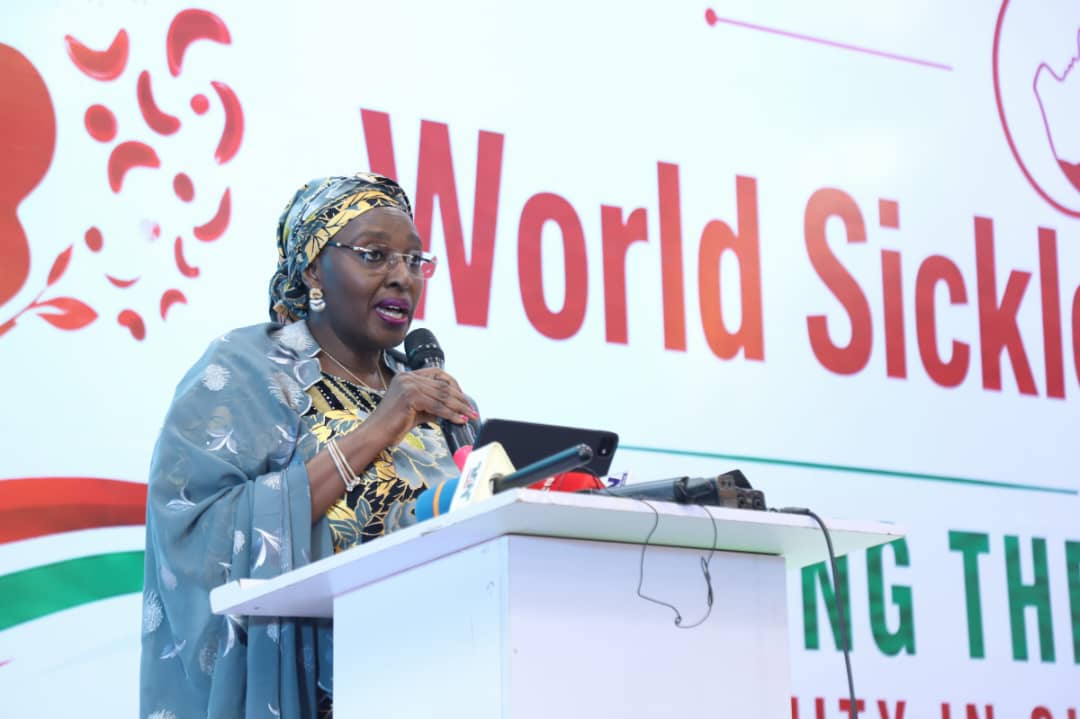
Represented by the Permanent Secretary of the ministry, Daju Kachollom, the minister said many people living with sickle cell disease continue to struggle with delayed diagnosis, inadequate treatment and limited access to quality healthcare, despite medical advances that have significantly improved patient outcomes globally.
He noted that Nigeria accounts for the world’s largest burden of sickle cell disease, with roughly one-quarter of the adult population carrying the sickle cell gene and thousands of children dying each year from complications that could be prevented through early diagnosis and proper treatment.
To reverse the trend, Pate said the Federal Government is scaling up newborn screening programmes in Lagos, Kano and the Federal Capital Territory while preparing for nationwide implementation. He added that healthcare workers are also being trained to improve early detection and management of the disease at the primary healthcare level.
According to him, six specialised Centres of Excellence have been established across the country’s geopolitical zones and equipped with modern diagnostic technology to improve laboratory testing, newborn screening and comprehensive patient care.
The minister also disclosed that government has adopted Sicklescan, a rapid testing technology expected to make diagnosis quicker and more affordable, especially in underserved communities.
He said efforts are underway to integrate sickle cell services into routine primary healthcare and essential non-communicable disease programmes, while discussions with the National Health Insurance Authority are focused on including newborn screening, critical laboratory tests and subsidised Hydroxyurea therapy in the national health insurance package.
Pate said the interventions align with President Bola Ahmed Tinubu’s health sector reforms under the Renewed Hope Agenda, which seek to expand healthcare access and improve outcomes for vulnerable Nigerians.
He urged citizens to know their genotype before marriage, seek genetic counselling where necessary and help end discrimination against people living with sickle cell disease.
Earlier, the Director of Public Health, Dr. Charles Nzelu, described sickle cell disease as a major public health concern, warning that many affected children still die before their fifth birthday.
He maintained that prevention remains the most effective strategy, urging Nigerians to embrace genotype testing and informed marital decisions.
Providing updates on ongoing research, Professor Obiageli Nnodu, Director of the Centre of Excellence for Sickle Cell Disease Research and Training at the University of Abuja, said more than 38,000 newborns have been screened in the Federal Capital Territory, while a national patient registry has captured over 10,000 individuals receiving care in 25 health facilities.
She added that over 700 genetic counsellors have been trained nationwide to strengthen public awareness, counselling services and early intervention for affected families.
Representatives of development partners and pharmaceutical companies also pledged continued collaboration with the government to improve diagnosis, treatment and long-term care for people living with sickle cell disease.
This year’s World Sickle Cell Day was observed under the theme, “Closing the Survival Gap: Equity in Sickle Cell Care,” with renewed calls for stronger partnerships to reduce preventable deaths and improve the quality of life of patients across Nigeria.
