

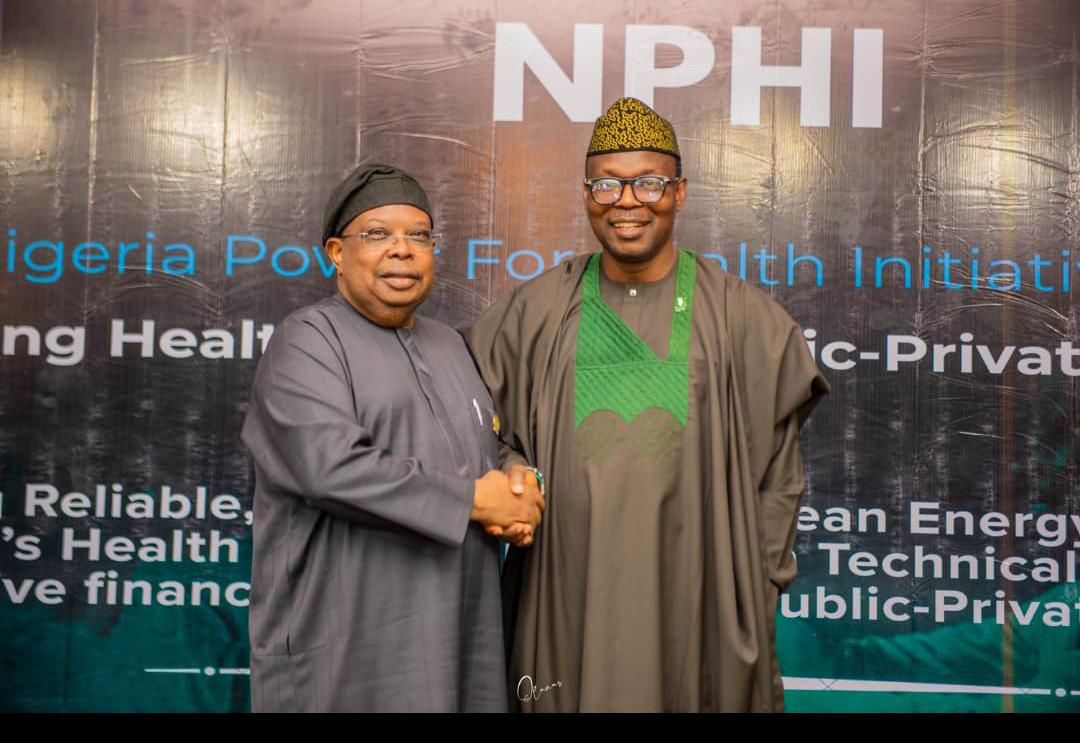
The Federal Government has intensified efforts to attract private investment into the electrification of healthcare facilities nationwide, with over 35,000 health institutions identified as potential beneficiaries under a new financing framework being promoted through the Nigeria Power for Health Initiative (NPHI).
In a statement issued by Clement Ezeorah, Deputy Director, Press and Public Relations on Monday, Federal Ministry of Power, the Minister of Power, Joseph Tegbe, made the call at the National Healthcare Electrification Investor Matchmaking Forum held at the Lagos Civic Centre, Victoria Island. The forum was convened under the Nigeria Power for Health Initiative (NPHI) by the Federal Ministry of Health and Social Welfare in collaboration with UK PACT, and hosted by the Minister of State for Health and Social Welfare, Dr. Isiaq Salako.
Tegbe urged local and international investors to adopt sustainable financing models in supporting electricity access for hospitals and primary healthcare centres, describing the health sector as one of Africa’s most attractive investment frontiers.
He stressed that reliable electricity is central to effective healthcare delivery, noting that power shortages continue to undermine critical services such as surgeries, diagnostics, and emergency care across the country.
According to him, the Nigeria Power for Health Initiative aligns with President Bola Tinubu’s Renewed Hope Agenda and ongoing reforms in the power sector, with a focus on integrating energy planning into health infrastructure development.
The minister highlighted opportunities in solar mini-grids, hybrid energy systems, battery storage, smart metering, energy efficiency solutions and facility management platforms, describing them as viable areas for private sector participation given Nigeria’s vast network of health facilities.
He added that the Federal Government is already implementing pilot electrification projects through the Nigeria Electrification Project funded by the World Bank, with solar and hybrid systems deployed in selected health facilities across the country.
Tegbe also pointed to the Electricity Act as a key legal framework supporting power purchase agreements, mini-grid licensing and increased state participation in electricity projects.
He assured investors of government’s commitment to providing policy stability and coordination across ministries, noting that the initiative is designed to create a structured and bankable pipeline of projects capable of attracting both local and international capital.
In his remarks, the Minister of State for Health and Social Welfare, Dr. Isiaq Adekunle Salako, said the initiative represents a shift from donor-driven interventions to a sustainable Energy-as-a-Service model.
He explained that under the framework, specialised providers will finance, install and maintain power systems in health facilities, easing the burden of energy poverty that affects critical healthcare delivery points across the country.
Salako added that the programme, initially focused on federal tertiary hospitals, is expected to be expanded to primary and secondary healthcare facilities nationwide under a new governance structure designed to accelerate implementation and attract private investment.
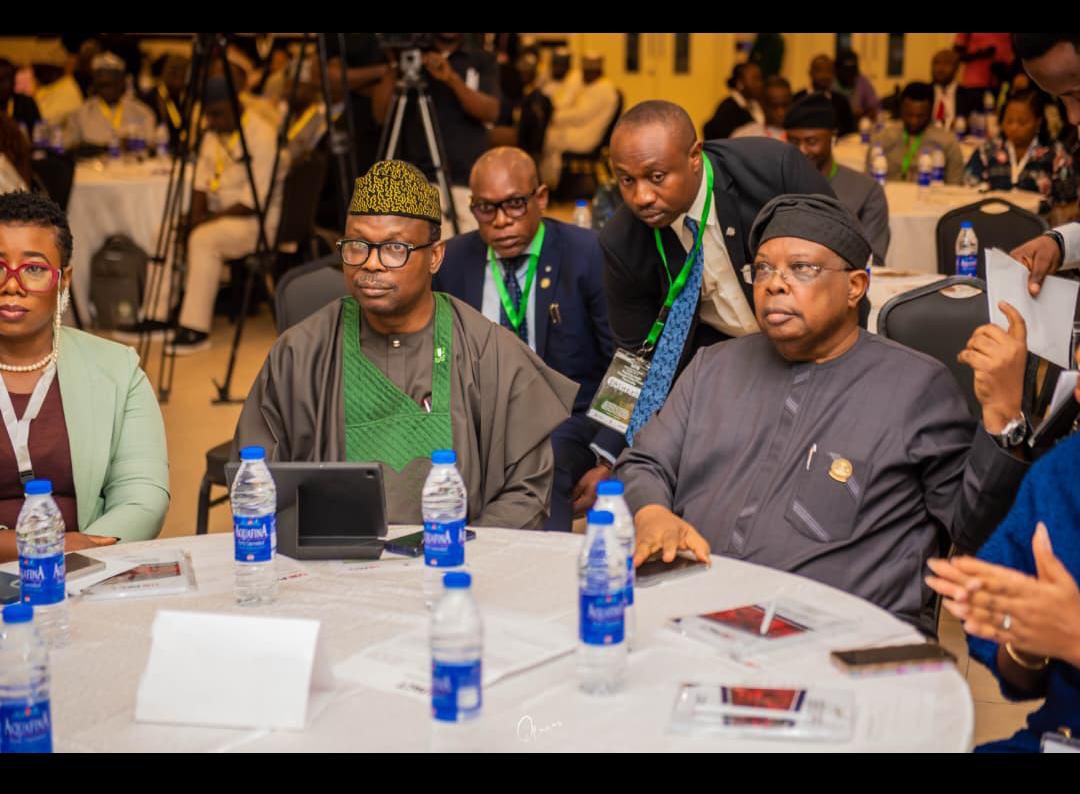
The forum brought together government officials, development partners, chief medical directors and private sector stakeholders to explore financing pathways for improving electricity access in Nigeria’s health sector.
