

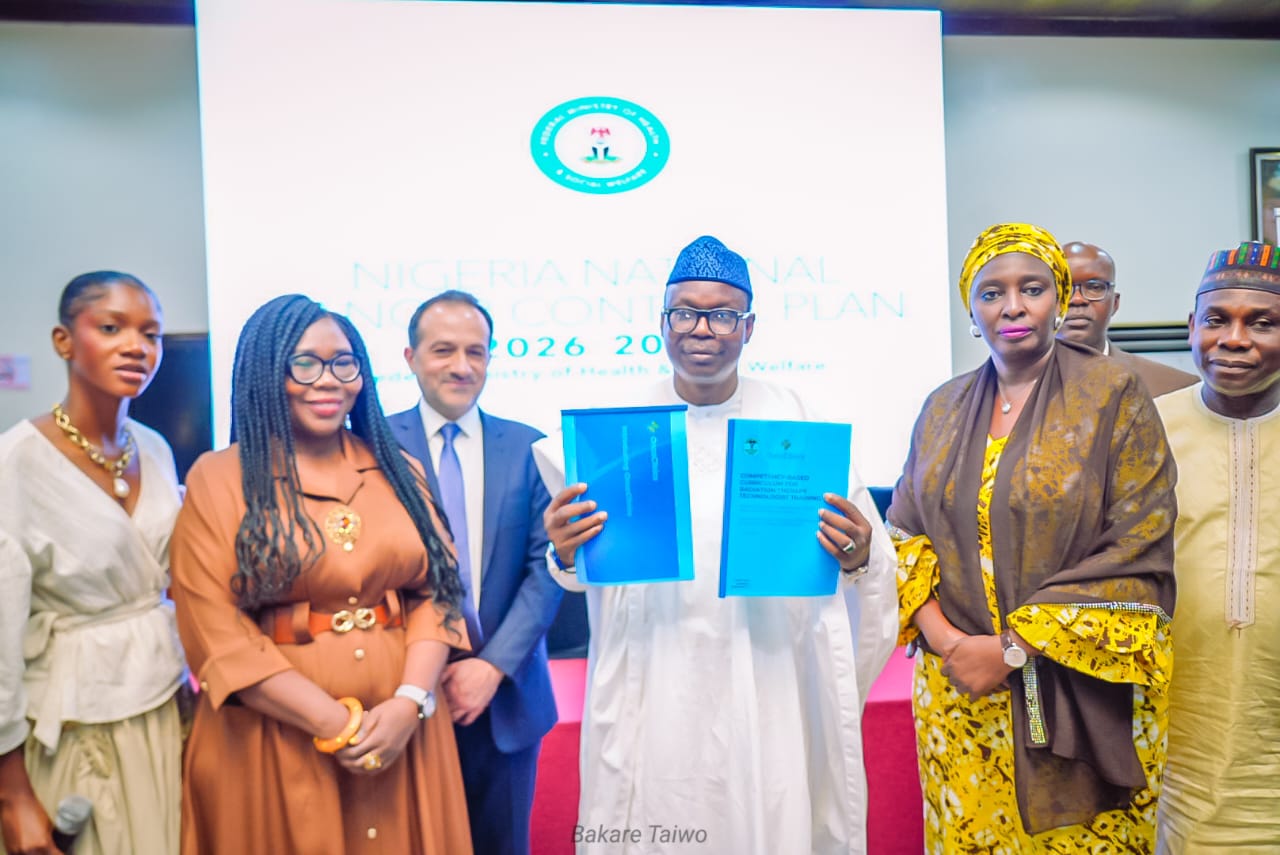
The Federal Government has introduced a ₦50 million support scheme aimed at reducing the financial and social hardships faced by cancer patients in Nigeria, in what officials describe as a renewed push to improve access to treatment and patient survival outcomes.
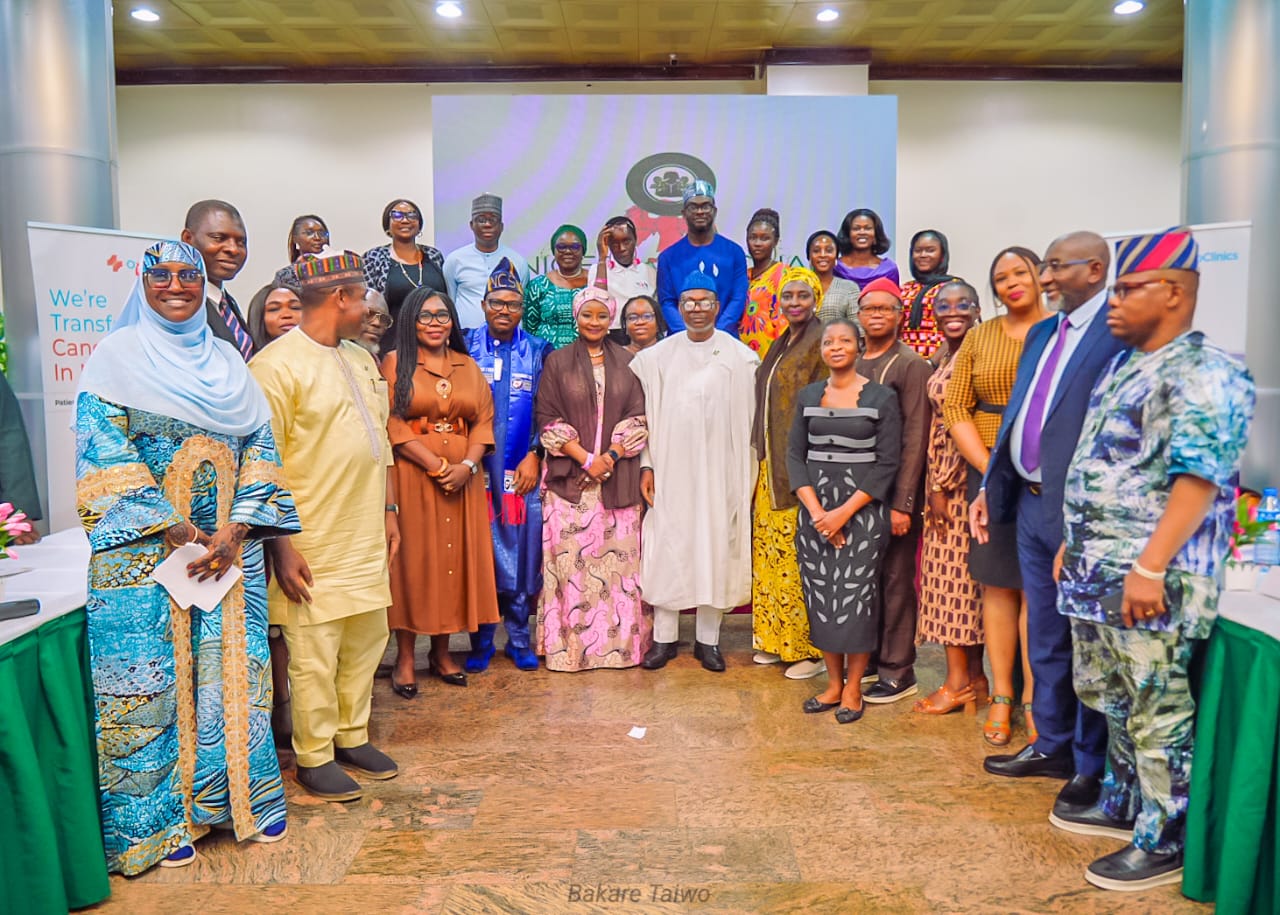
The initiative, known as the Social Determinants of Health (SDoH) Fund for Cancer Patients, was formally launched on Wednesday in Abuja and is expected to provide immediate relief to patients struggling with non-medical challenges such as transportation, accommodation, feeding, and other treatment-related expenses.
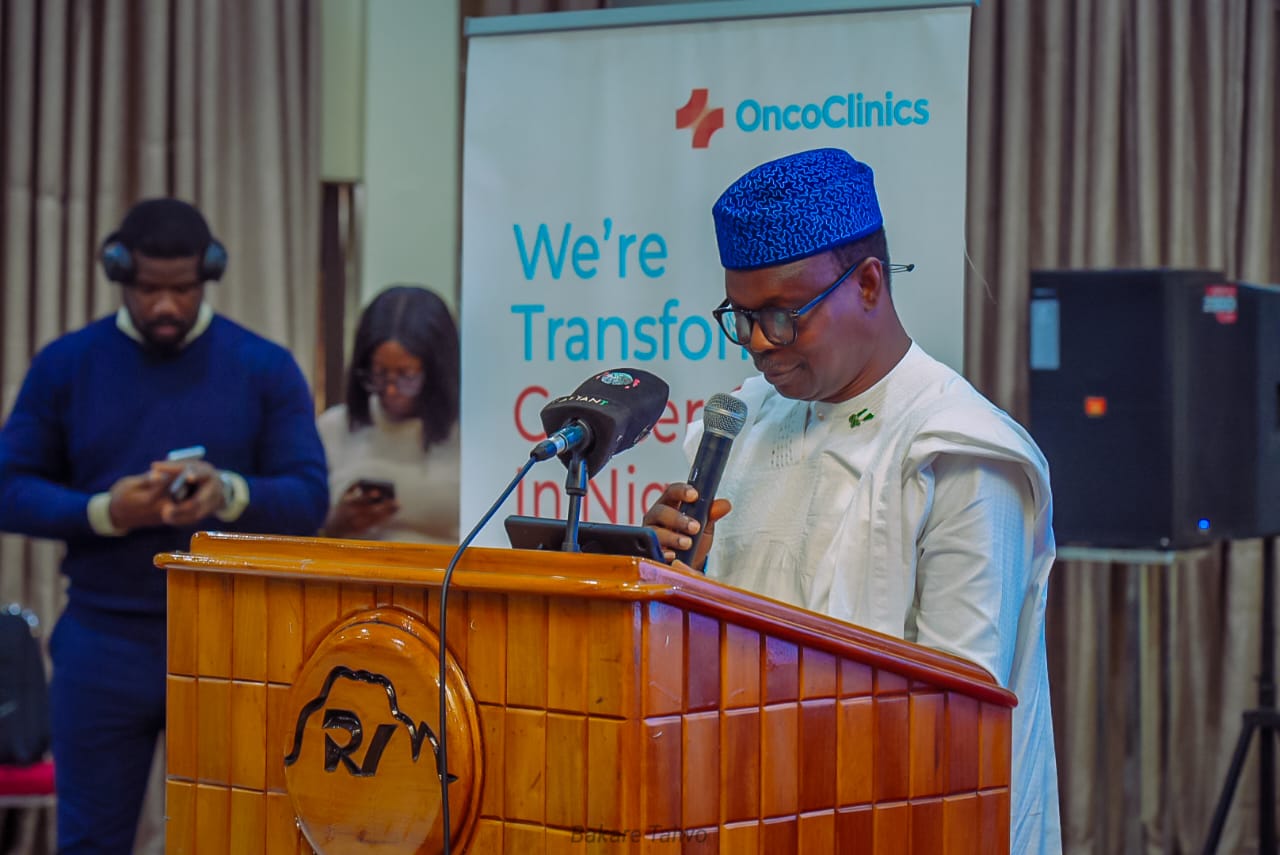
Speaking at the flag-off ceremony held at Rockview Hotel, Abuja on Wednesday, the Minister of State for Health and Social Welfare, Dr. Iziaq Adekunle Salako, said the intervention reflects government recognition that medical care alone is not enough to guarantee successful cancer treatment outcomes.
He explained that many patients across the country abandon or delay treatment not because services are unavailable, but due to poverty-driven barriers that make consistent hospital visits difficult to sustain.
According to him, the new fund will complement existing cancer care interventions already being implemented by the Federal Government, including subsidised treatment programmes and expanded screening and diagnostic services.
The Minister disclosed that the scheme was developed based on recommendations from experts under the National Cancer Control Plan Technical Working Group, which brought together local and international specialists to identify gaps in Nigeria’s cancer response system.
He also revealed that more than 600 patients have so far applied for assistance under the programme, while over 200 have completed verification through healthcare providers. Each approved beneficiary is expected to receive at least ₦100,000 to help offset logistics and living costs associated with treatment.
Dr. Salako stressed that the administration of President Bola Ahmed Tinubu is committed to ensuring that a cancer diagnosis does not automatically translate into a death sentence, noting ongoing investments in prevention, early detection, and treatment infrastructure.
He further urged private sector players, philanthropic organisations, and individuals of means to support the initiative, saying government funding alone would not be sufficient to meet the growing needs of cancer patients nationwide.
Also speaking, the Permanent Secretary of the ministry, Daju Kachollom S. said the programme represents a shift toward a more holistic understanding of healthcare, where social and economic conditions are treated as key determinants of health outcomes.
She noted that many patients face difficulties beyond the hospital environment, including transport costs, nutrition challenges, loss of income, and lack of social support, all of which can affect treatment completion and recovery.
Kachollom added that the initiative aligns with the Nigeria National Cancer Control Plan (2026–2030) and reinforces government efforts to move from policy statements to practical interventions that directly touch patients’ lives.
She reiterated that cancer control requires collaboration beyond government, calling on development partners, corporate organisations, and charitable individuals to contribute to sustaining the programme.
The Ministry said the intervention is part of broader efforts to reduce the burden of cancer care and improve survival chances for patients across the country.
