

By Yakubu Eleojo Victoria
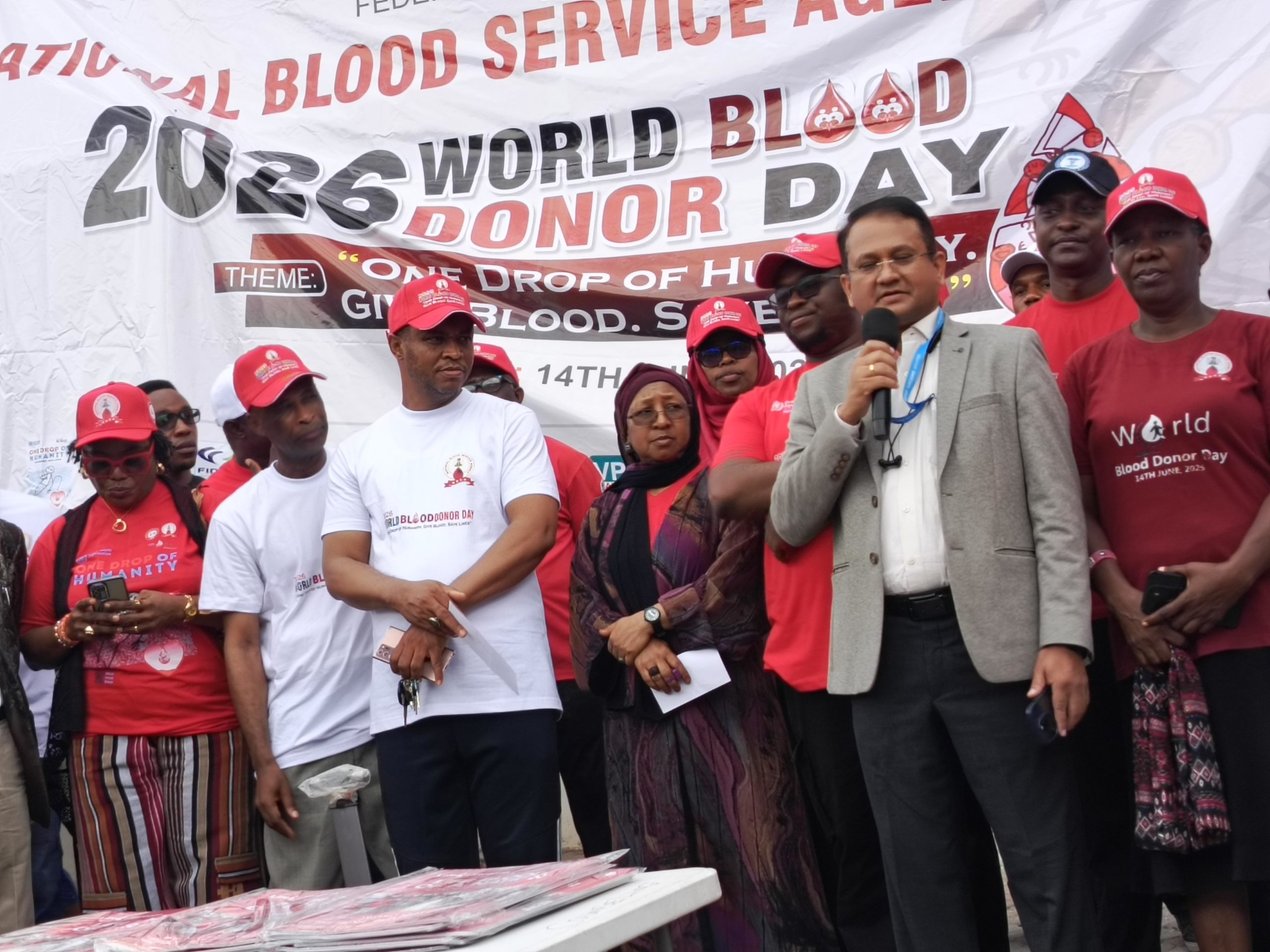
The National Blood Service Agency (NBSA) has intensified its nationwide advocacy for voluntary blood donation, calling on Nigerians to embrace consistent participation in safe blood donation as a civic and humanitarian duty during the 2026 World Blood Donor Day celebration in Abuja.
Marking the global event under the theme “One Drop for Humanity: Give Blood, Save Lives,” the programme brought together government representatives, international development partners, health stakeholders, civil society organisations, media practitioners, donors, and volunteers in a coordinated campaign aimed at strengthening Nigeria’s blood supply system.
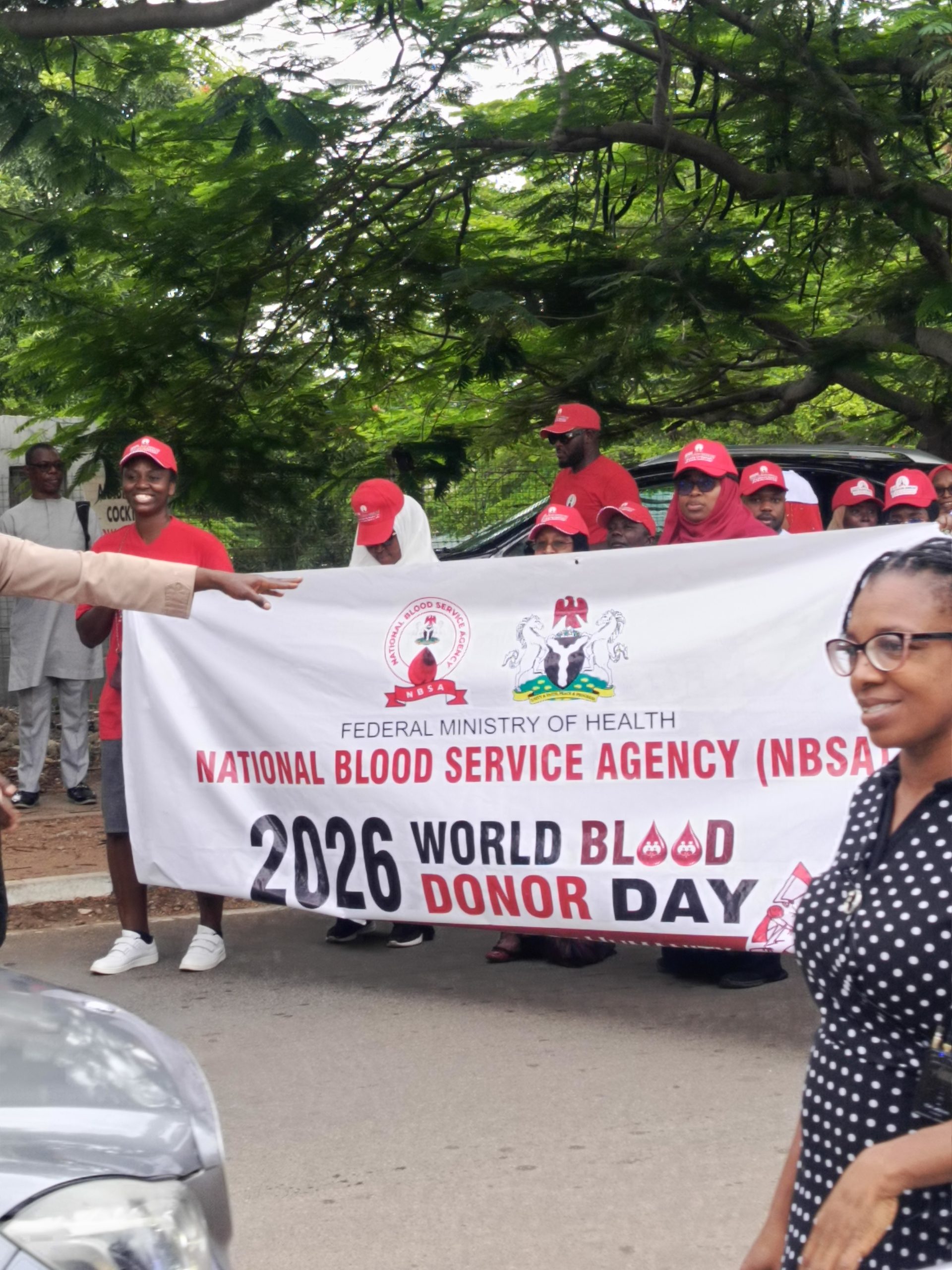
According to organisers, the road walk was not only symbolic but also a direct appeal to public conscience, highlighting the gap between demand and availability of safe blood in Nigerian hospitals and the urgent need for collective action.
Representing the Director-General of the National Blood Service Agency, Prof. Saleh Yuguda, Dr. Abubakar Sani Bako addressed participants, describing voluntary donors as the foundation upon which the country’s entire blood system depends.
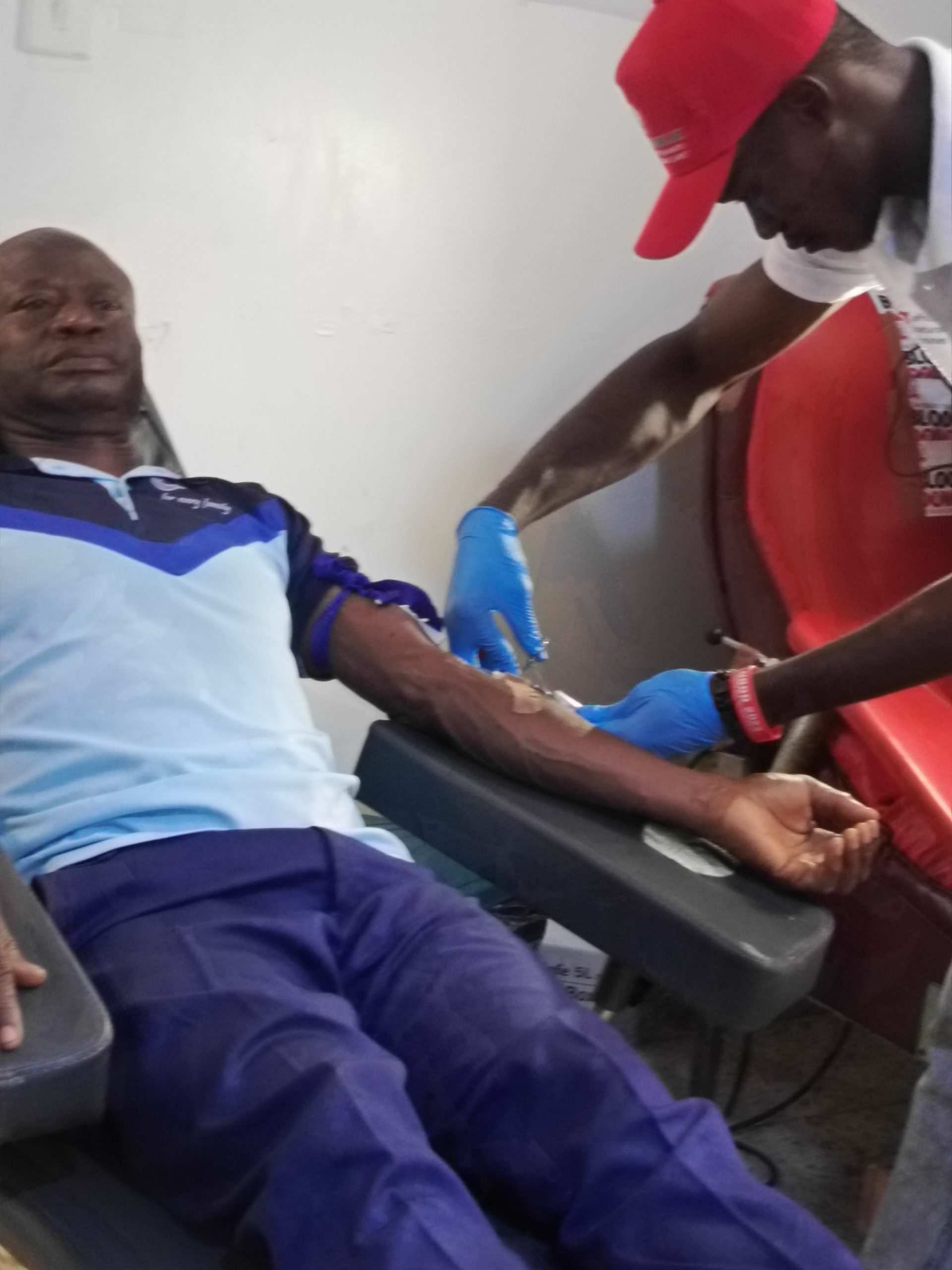
He noted that donors remain “quiet lifesavers” whose contributions continue to sustain emergency healthcare services, particularly in trauma cases, maternal complications, surgeries, and chronic disease management.
Prof. Yuguda also acknowledged the role of development partners, especially the World Health Organization, for their consistent technical assistance and collaboration in improving Nigeria’s blood safety architecture.
Speaking on behalf of WHO, Dr. Charan Laxmikant stressed that safe blood access remains essential to building resilient health systems. He explained that millions of patients globally including expectant mothers, children battling severe infections, accident victims, and surgical patients depend on blood transfusion for survival.
He further stated that strengthening voluntary donation systems is critical to achieving universal health coverage, adding that countries must prioritise awareness creation and youth engagement to close existing gaps in blood supply.
Dr. Laxmikant also cautioned against misinformation surrounding blood donation, urging citizens to embrace voluntary, unpaid donation as a safe and life-saving act, famously noting that “one drop of humanity can save a life.”
In her remarks, Dr. Bunmi Amoo, representing APIN Public Health Initiatives, described the organisation’s partnership with NBSA as long-standing and impactful, tracing it back to early-stage blood safety interventions in Nigeria.
She explained that current reforms, especially digitalisation efforts, are improving coordination, monitoring, and accountability across the national blood value chain.
Dr. Amoo also highlighted ongoing school-based blood safety clubs across Abuja, noting that early education helps young people understand blood donation while discouraging risky behaviours and promoting responsible citizenship.
Several partner organisations at the event also expressed support for NBSA’s ongoing reforms, particularly its digital transformation agenda, which they described as vital for improving efficiency and transparency in blood service delivery.
The Community Aid Relief Education Foundation (CARE) reaffirmed its commitment to grassroots mobilisation for blood donation awareness, while the Shalom Health Foundation emphasised that persistent blood shortages continue to contribute to avoidable deaths in healthcare facilities.
A key moment of the celebration was the recognition of Amina Giwa, a female donor who has donated blood more than 40 times, earning her recognition as one of the most consistent voluntary donors in the country.
She was celebrated as a symbol of dedication and humanitarian service, marking a growing shift toward recognising women’s contributions in Nigeria’s voluntary blood donation landscape.
In her response, Giwa attributed her long-term commitment to faith and personal conviction, explaining that her motivation has always been anchored on saving lives. She encouraged more Nigerians to see blood donation as a moral responsibility and an act of compassion.
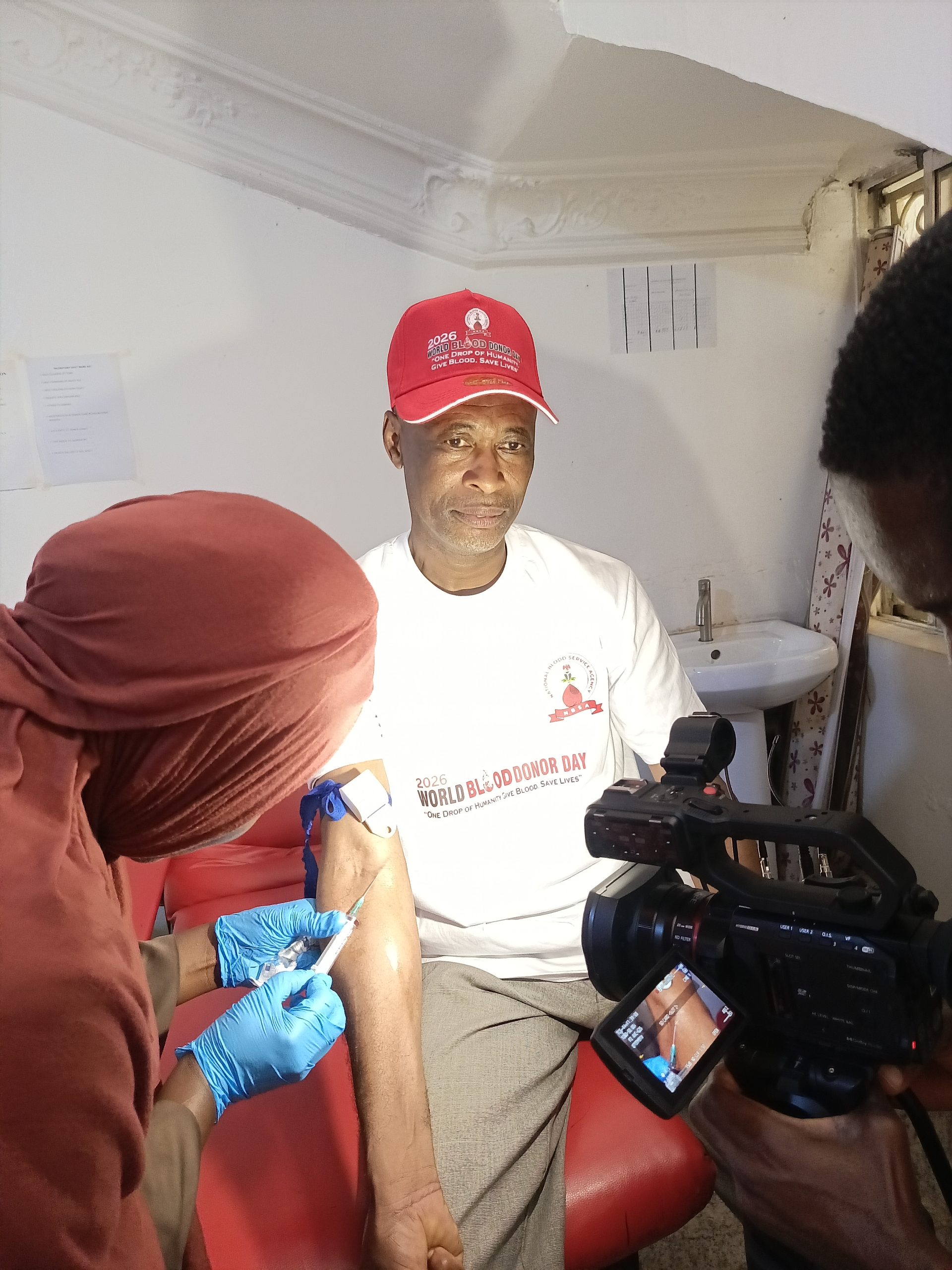
In a separate interview, Dr. Mohammed Lawal of the National Blood Service Agency, who also participated as a donor during the event, said Nigeria still faces a significant shortfall in blood supply compared to national demand.
He called for intensified awareness campaigns and stronger mobilisation strategies to expand the national register of voluntary blood donors, while also outlining eligibility criteria and stressing that all donations undergo strict medical screening to ensure safety.
The programme concluded with a unified call for sustained public participation in strengthening Nigeria’s blood system, with stakeholders agreeing that voluntary donation remains the most effective strategy for reducing preventable deaths linked to blood shortages.
As the event drew to a close, participants reiterated the central message of the campaign: one drop of humanity can save a life.
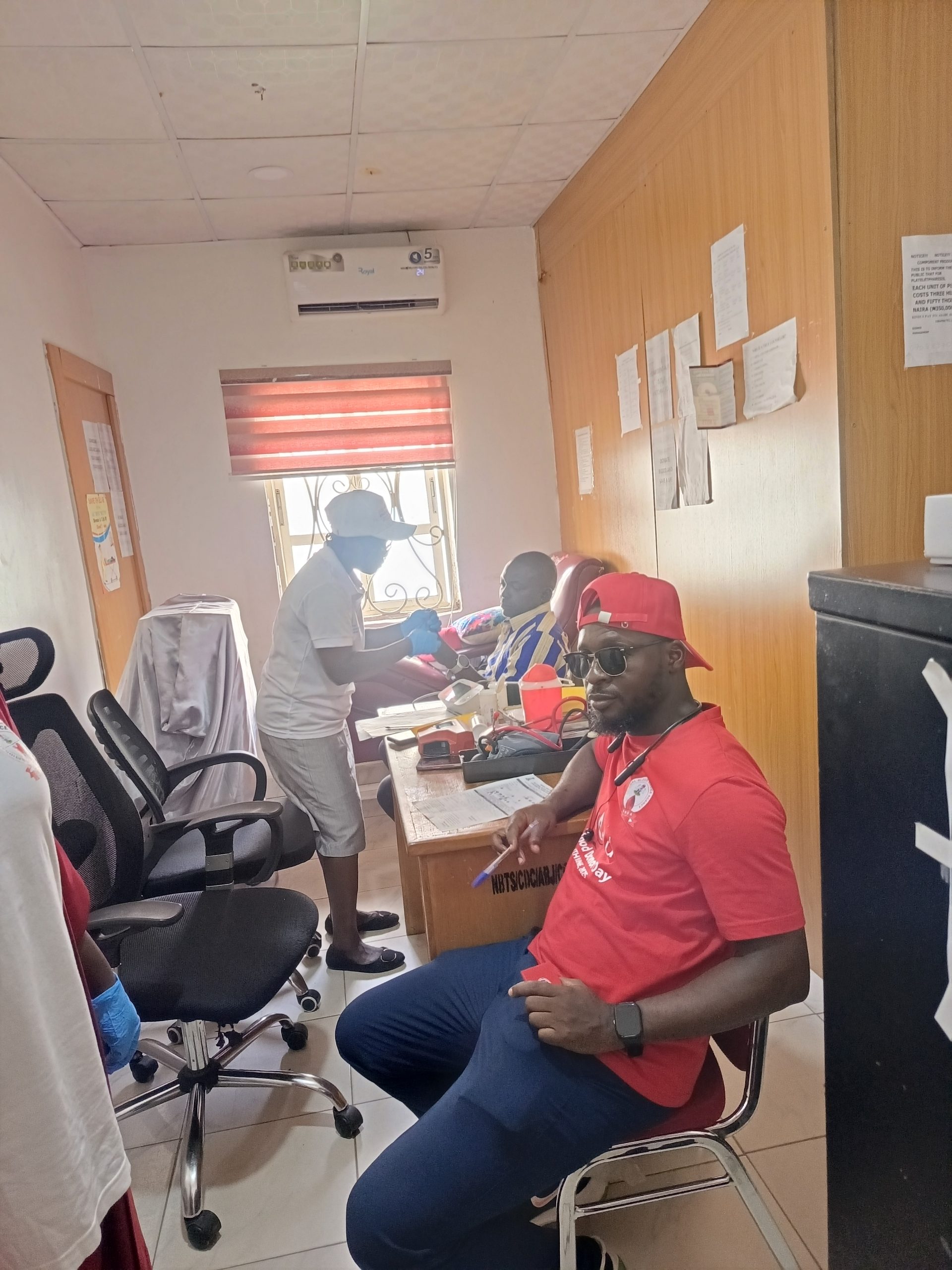
The NBSA, in its final remarks, urged Nigerians to embrace blood donation not only as a health intervention but as a national responsibility capable of saving lives and strengthening the healthcare system.
