

Abia State has made history as the first state in Nigeria to successfully implement the parole provisions of the Nigerian Correctional Service (NCoS) Act, 2019, with the supervised release of 10 inmates in a move aimed at strengthening rehabilitation and easing congestion in custodial facilities.
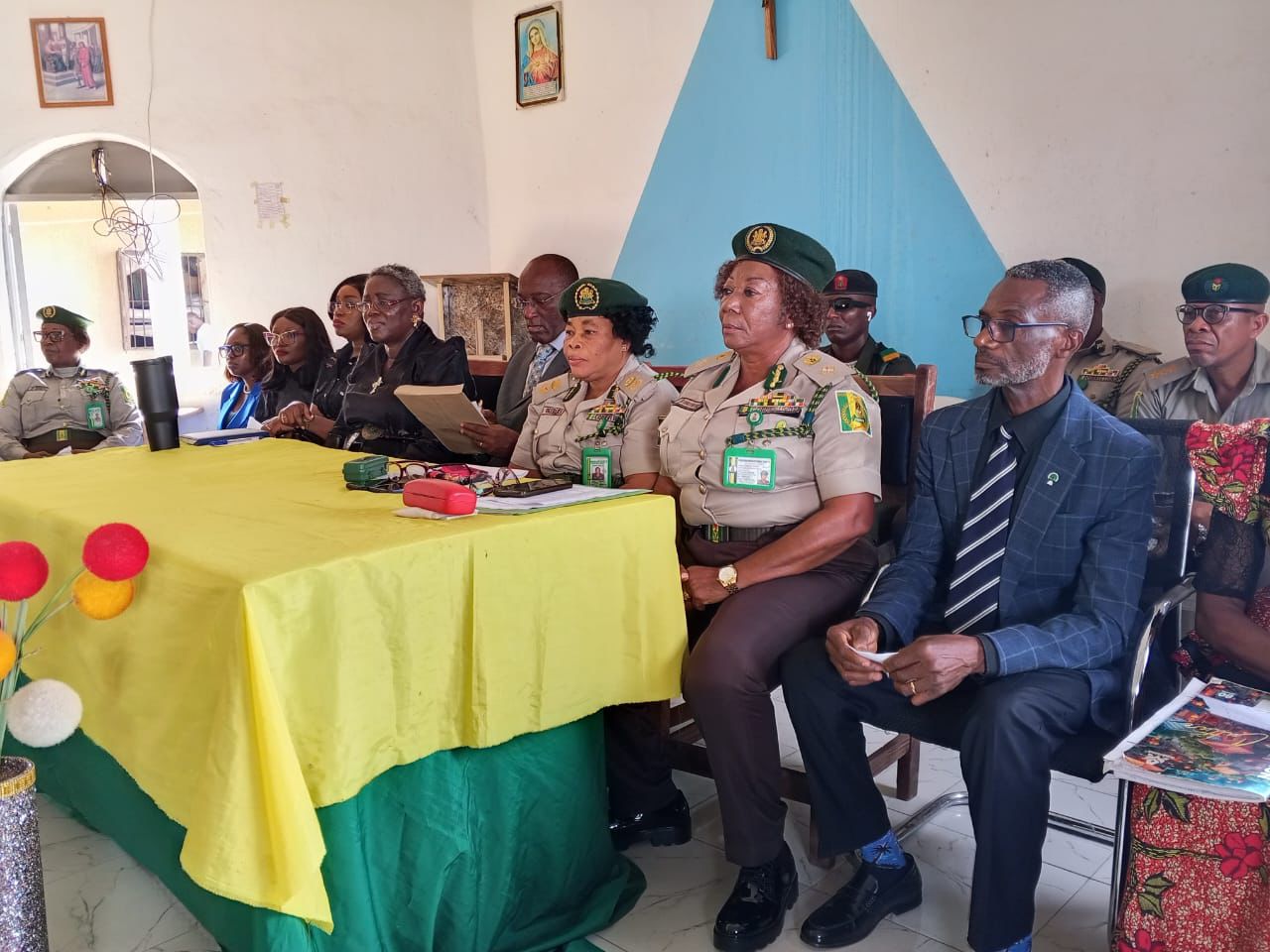
The development, which correctional authorities described as a landmark moment in Nigeria’s justice system, took place at the Medium Security Custodial Centre, Umuahia, where officials, judicial officers and stakeholders gathered to witness the country’s first parole release under the law.
Speaking on behalf of the Controller-General of Corrections, Sylvester Ndidi Nwakuche, Assistant Controller-General and Zonal Coordinator, Ngozi Okeke, said the exercise signified the beginning of a new chapter in correctional administration in Nigeria.
She noted that parole is a globally accepted correctional practice that allows carefully screened inmates to return to society under supervision after meeting specified requirements, while ensuring public safety and accountability.
According to her, the implementation of the programme reflects the Service’s commitment to transforming correctional centres into institutions focused on rehabilitation, reformation and reintegration rather than punishment alone.
Okeke said the parole system would help reduce the likelihood of former inmates returning to crime, strengthen their reintegration into society and contribute to efforts to address overcrowding in correctional facilities nationwide.
She commended the Abia State Command for pioneering the initiative and setting a model that could be replicated across other states of the federation.
The Controller-General also lauded the contributions of the Abia State Parole Board, judicial officers and other stakeholders in the criminal justice sector for ensuring the successful rollout of the programme.
He further acknowledged the support provided by the Prisoners Rehabilitation and Welfare Action, International IDEA and the Rule of Law and Anti-Corruption Programme, whose interventions have supported correctional reforms and offender reintegration efforts in Nigeria.
In her remarks, the Controller of Corrections, Abia State Command, Nwanyanwu Blessing Ifeoma, described the event as a practical demonstration of the Service’s resolve to place rehabilitation at the centre of correctional administration.
Chairman of the Abia State Parole Board, Justice Obisike Oji, explained that parole should not be viewed as forgiveness or amnesty but as a structured legal process designed to support the gradual and supervised reintegration of eligible inmates into society.
He urged the beneficiaries to make the most of the opportunity by embracing lawful and productive lifestyles. A major highlight of the event was the formal release of the 10 parolees drawn from custodial centres in Umuahia, Aba and Arochukwu.
To support their return to society, the beneficiaries received empowerment packages, including sewing machines, vocational equipment and other livelihood tools. Financial assistance was also provided to facilitate their transportation and resettlement.
Speaking on behalf of the parolees, one of the beneficiaries expressed appreciation to the Nigerian Correctional Service, the Parole Board and partner organisations for offering them an opportunity to rebuild their lives.
The Controller-General used the occasion to appeal to community leaders, traditional rulers, religious institutions, employers and civil society groups to support the reintegration of parolees and ex-offenders.
He emphasised that community acceptance remains critical to successful reintegration and to broader efforts aimed at reducing crime and enhancing public safety.
The event attracted members of the Parole Board, judicial officers, security chiefs, traditional and religious leaders, development partners, civil society organisations and correctional personnel.
The successful implementation of the parole programme in Abia is widely seen as a milestone in Nigeria’s correctional reform journey and a significant towards building a more humane and rehabilitation-focused correctional system.
