

By Joy Onu
The Federal Ministry of Interior and the Presidential Initiative on Compressed Natural Gas (Pi-CNG) have proposed the creation of a high-level joint working group to fast-track the adoption of Compressed Natural Gas (CNG) across agencies under the Ministry.
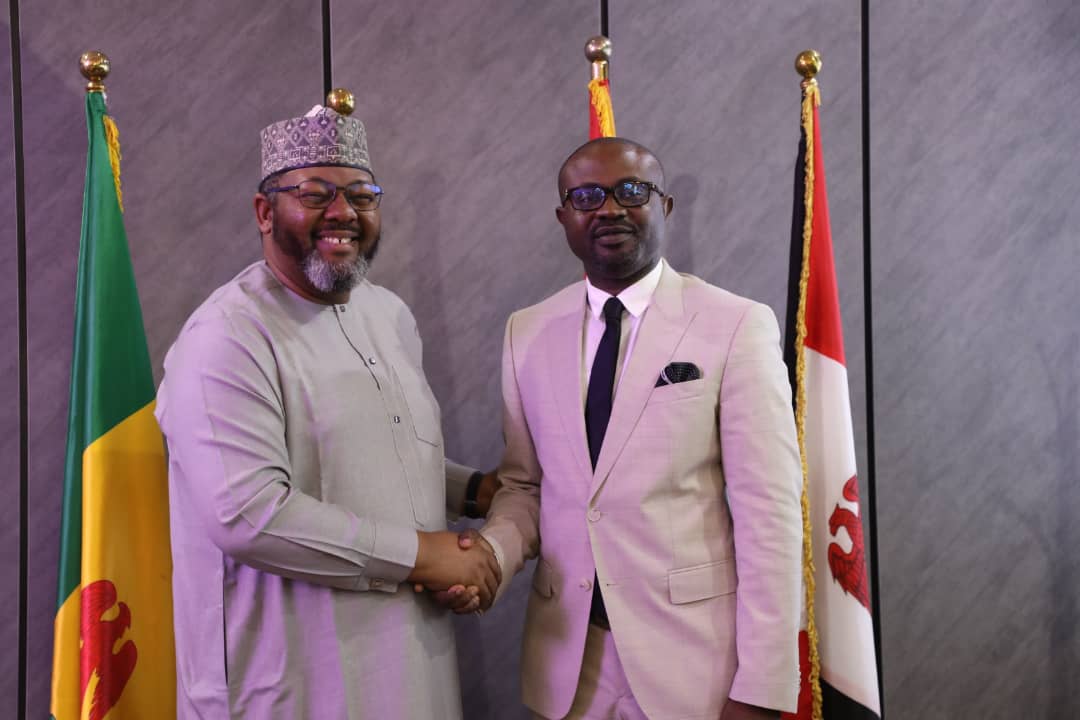
Mary Ali (Mrs), Head, Press and Public Relations at the Ministry of Interior, in a press release to the media on Tuesday, February 24, 2026, said the proposal emerged during a meeting in Abuja between the Minister of Interior, Dr. Olubunmi Tunji-Ojo, and the Executive Chairman/Chief Executive Officer of Pi-CNG, Barr. Ismaeel Ahmed.
During the meeting, Dr. Tunji-Ojo highlighted the strategic alignment between Pi-CNG’s objectives and the Ministry’s wide-ranging mandate, which includes oversight of 264 correctional centres, Civil Defence formations, the Nigeria Immigration Service, and management of over 4,000 kilometres of Nigeria’s national borders.

The Minister noted that the collaboration would provide significant operational benefits, including vehicle conversions for security and operational fleets, improved logistical support, and strengthened border operations. He added that adopting cleaner energy sources would enhance efficiency, reduce costs, and promote environmentally friendly and affordable energy use across Ministry agencies.
Following the discussions, Dr. Tunji-Ojo directed the immediate establishment of a structured working group to implement the initiative. The Ministry’s Director of Joint Services will lead the team, which will include representatives from all relevant agencies.
Expected participants include the Nigeria Immigration Service, Nigerian Correctional Service, Nigeria Security and Civil Defence Corps, and Federal Fire Service, alongside other key departments within the Ministry. The Minister also encouraged Pi-CNG to nominate representatives for the joint working group.
Barr. Ismaeel Ahmed also commended the Minister’s reform-driven leadership, noting what he described as transformative efforts focused on delivering sustainable outcomes to Nigerians within a short period.
He further highlighted three key focus areas for the collaboration: converting and adopting CNG across paramilitary agency fleets; setting up a credit facility to support vehicle conversions and enhance energy access for Ministry staff; and implementing training and capacity-building programs to strengthen technical competence.
Barr. Ahmed reaffirmed his confidence in the Ministry’s commitment to promoting cleaner, renewable, and sustainable energy solutions in Nigeria, describing the partnership as a practical step toward boosting public sector efficiency while supporting the nation’s broader energy transition objectives.
