

By Joy Onu
Nigeria has taken a major step toward eliminating cervical cancer, with the Federal Government unveiling a nationwide screening programme as part of a broader strategy aligned with global health targets.
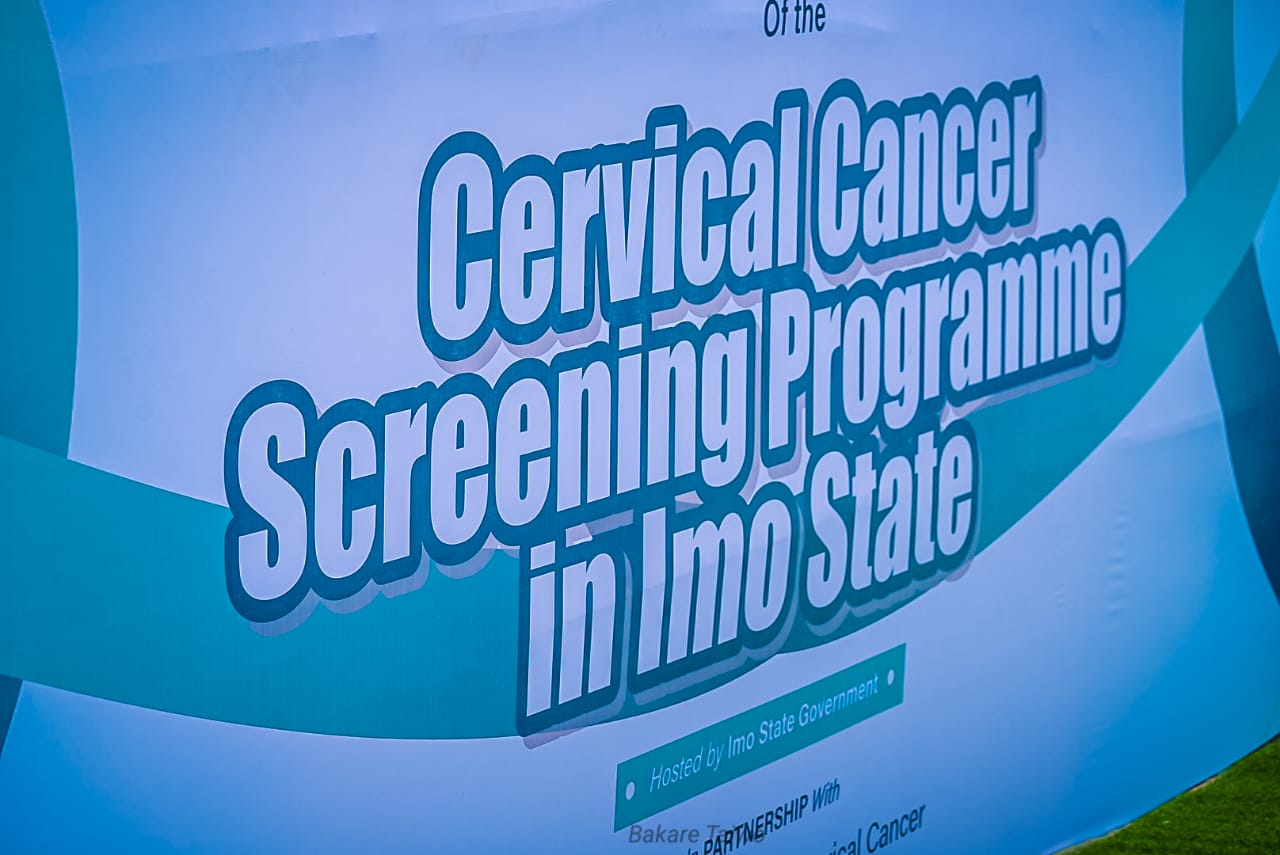
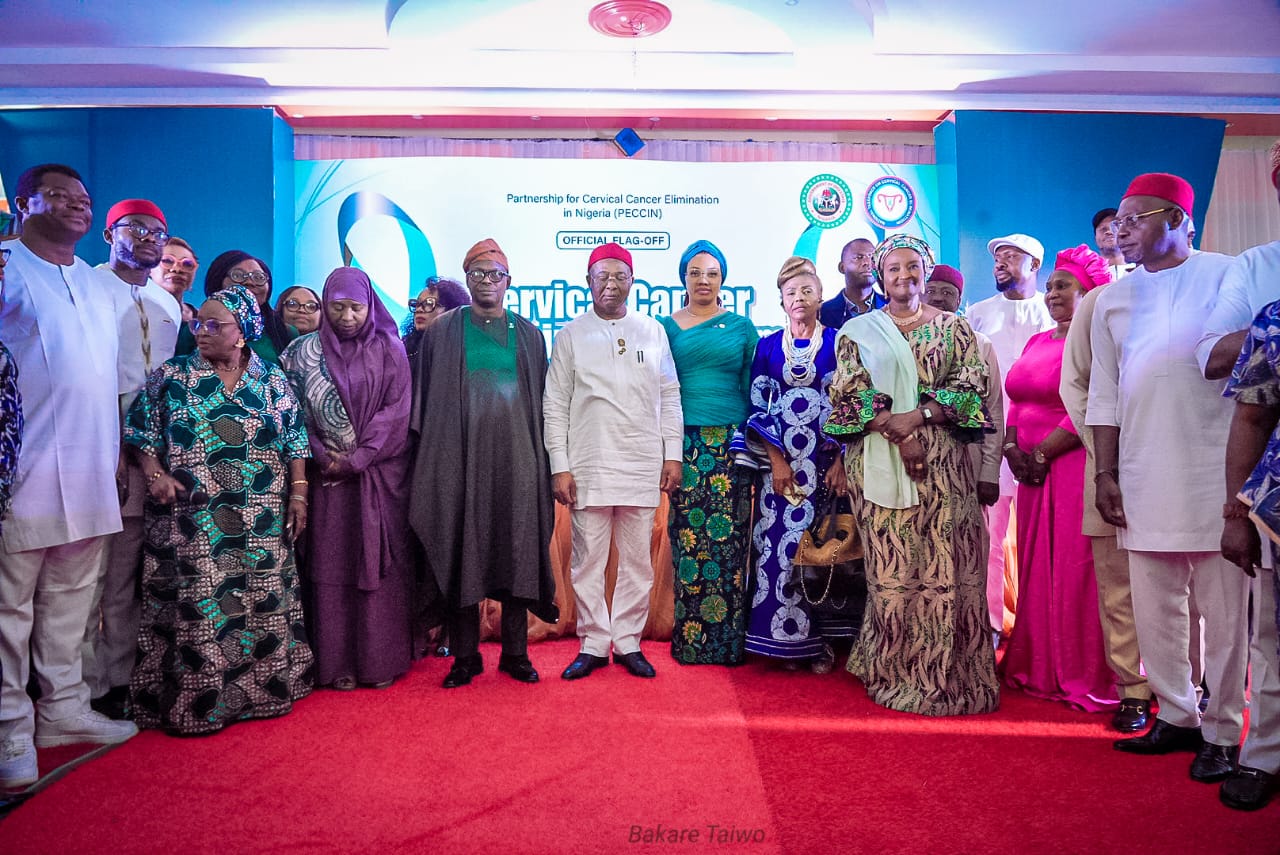
The initiative was formally flagged off in Owerri, Imo State, by the Minister of State for Health and Social Welfare, Dr. Iziaq Adekunle Salako, who said the country is committed to meeting the ambitious 2030 targets set under the World Health Organization strategy to eradicate the disease.
Speaking at the launch, Salako outlined the three core goals driving the initiative: vaccinating 90 percent of girls against Human Papillomavirus (HPV) by age 15, screening 70 percent of women by ages 35 and 45, and ensuring that 90 percent of those diagnosed with cervical disease receive appropriate treatment.
He described the programme as a clear signal of Nigeria’s structured and sustained response to cervical cancer, noting that prevention remains central to the government’s public health agenda.
Salako also highlighted recent policy interventions, including the establishment of the National Institute for Cancer Research and Treatment (NICRAT) in 2023 and the creation of the National Taskforce on Cervical Cancer Elimination in 2024. He added that the National Strategic Cancer Control Plan (2026–2030) provides a comprehensive framework for tackling cancer nationwide.
According to him, Nigeria has already made significant progress, particularly in HPV vaccination. “We have vaccinated over 15 million girls, more than tripling the number of adolescent girls protected against cervical cancer in Africa,” he said, describing the achievement as a milestone for the country.
The Minister acknowledged the support of President Bola Ahmed Tinubu and First Lady Oluremi Tinubu, especially her ₦1 billion donation to the national cervical cancer taskforce.

Imo State Governor, Hope Uzodimma, in his remarks, stressed the importance of health in national development and called on community leaders, civil society groups, and market women to mobilise support for the screening exercise.
He urged women to take advantage of the programme, describing cervical cancer as preventable when detected early.
His wife, Chioma Uzodimma, expressed optimism that the initiative would improve access to screening, strengthen referral systems, and build sustainable healthcare capacity across the state.
On the technical front, the Director-General of NICRAT, Prof. Usman Malami Aliyu, described the launch as a critical milestone in Nigeria’s cancer control efforts. He revealed that the programme aims to screen at least 10,000 women in Imo State during its initial phase while laying the groundwork for long-term, routine screening services.
Similarly, Chairman of the National Taskforce on Cervical Cancer Elimination, Prof. Isaac Adewole, disclosed that the first rollout will target about 60,000 women across six states, Imo, Niger, Ogun, Bauchi, Rivers, and Sokoto before expanding nationwide.
Health experts at the event emphasized that cervical cancer remains one of the leading causes of cancer-related deaths among Nigerian women, despite being preventable and treatable when detected early.
Stakeholders, including development partners and advocacy groups, called for sustained political will, funding, and community engagement to ensure the success of the programme.
With the latest rollout, Nigeria is positioning itself at the forefront of cervical cancer prevention in Africa, combining vaccination, early detection, and treatment in a coordinated national effort.
