

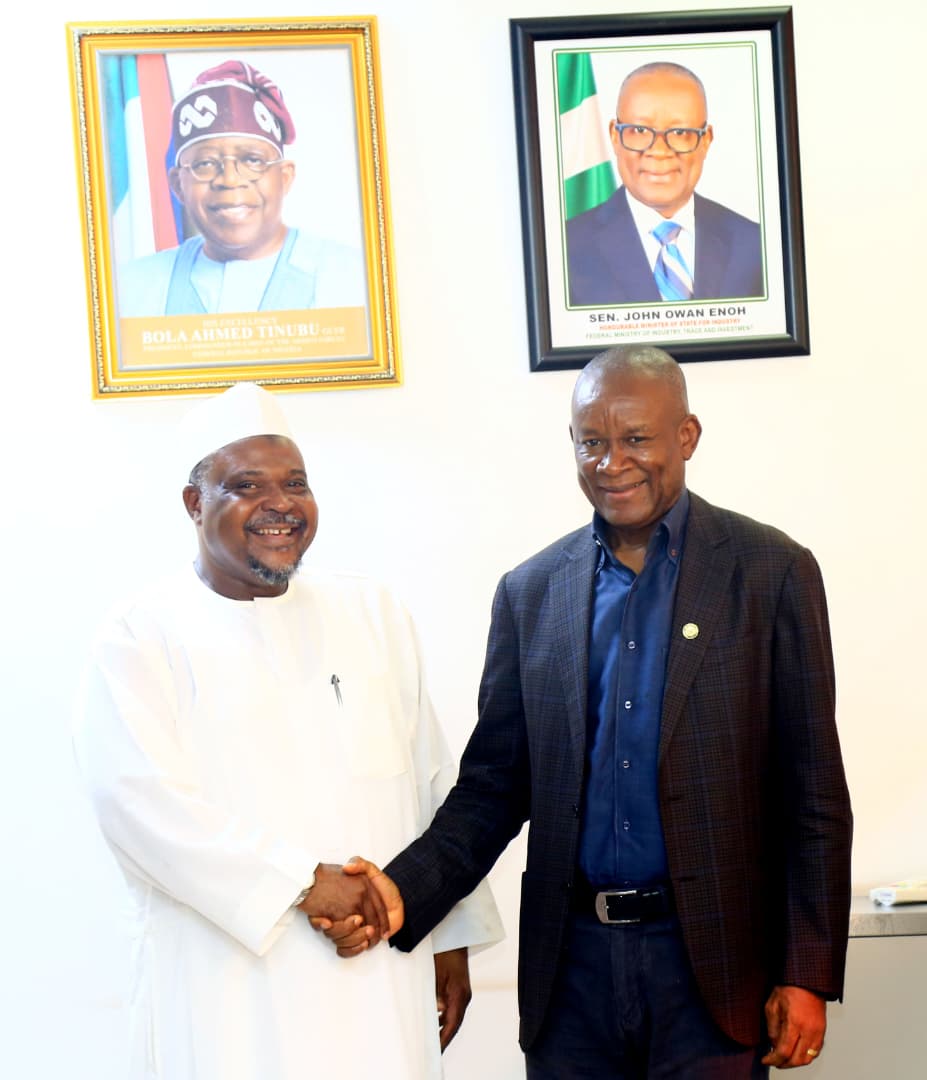
By Joy Onu
The Federal Government has intensified efforts to reposition Nigeria’s shea industry by restricting raw exports and strengthening local processing capacity to enhance the country’s competitiveness in the global market.
This policy direction was reaffirmed during a high-level stakeholder engagement in Abuja convened by the Federal Ministry of Industry, Trade and Investment (FMITI), where government officials and industry players reviewed progress and challenges in the sector.
The Minister o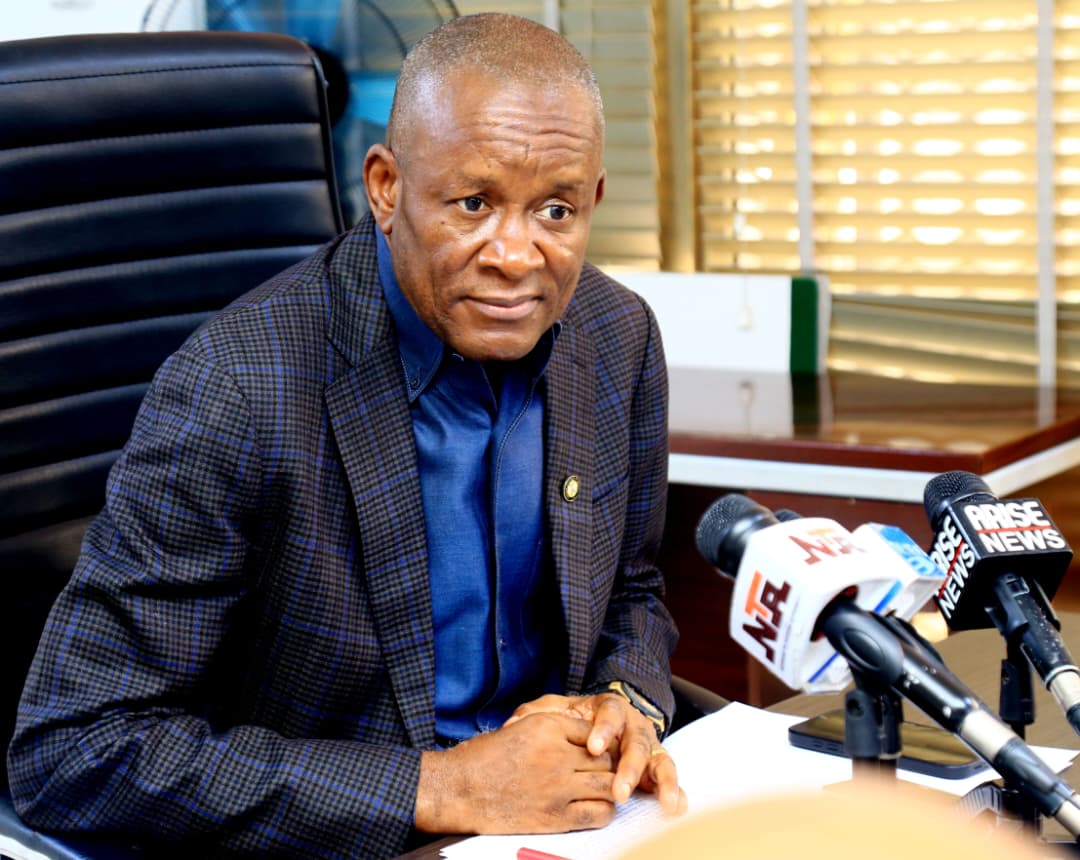 f State for Industry, John Owan Enoh, said the Presidential directive on the export ban reflects a deliberate shift from raw commodity exports to value addition and industrial development within Nigeria.
He stressed that the policy is designed to deliver measurable economic benefits, adding that government will conduct inspections to verify actual processing capacity across the value chain. “The gains of this policy must be clear, measurable, and undeniable before the review in February 2027,” he said.
In his remarks, the Director of Industrial Development at FMITI, Muhammad Bala, said the engagement was aimed at assessing progress, identifying bottlenecks, and strengthening coordination with processors to improve outcomes in the sector.
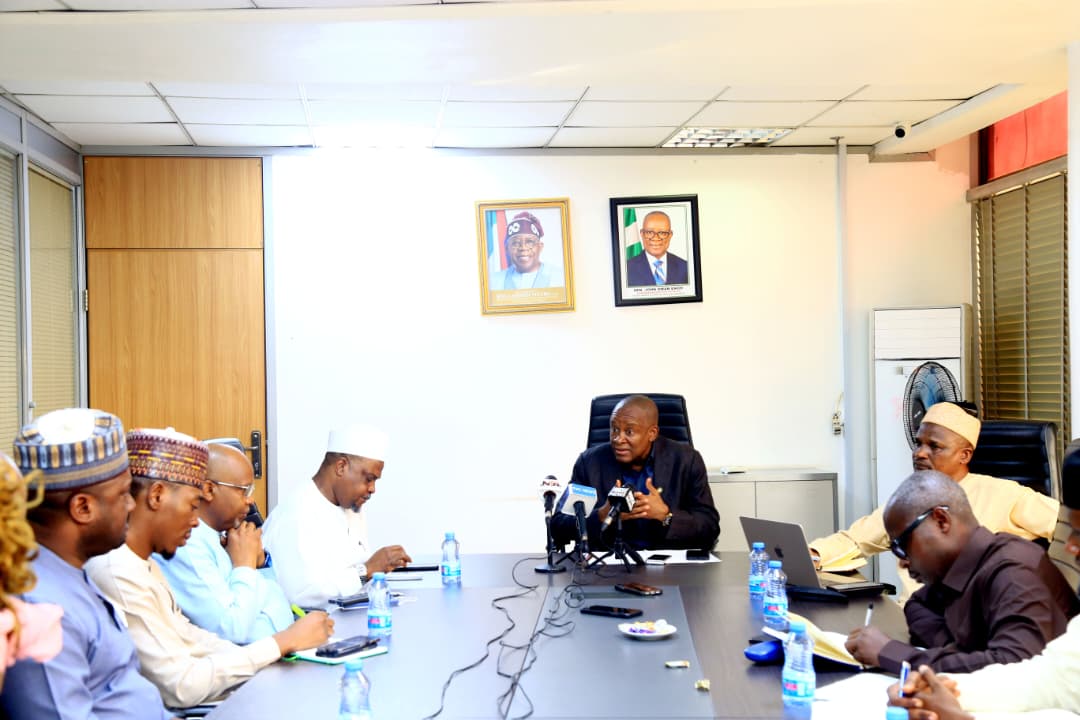
Representing industry operators, Managing Director of Salid Agriculture Limited, Ali Saidu, said processors are conducting a data-driven study on the impact of the export ban while highlighting insecurity and smuggling as key challenges affecting supply.
He, however, noted that recent policy adjustments have helped stabilise prices and improve market competitiveness.
Also speaking, Director of Group Corporate Affairs, Sadiq Kassim, called for stronger regional cooperation in West Africa to curb raw exports and promote value addition, stressing Nigeria’s potential to lead the global shea industry through expanded refining capacity.
