

By Joy Onu
Senior government officials, policymakers and business leaders gathered in Abuja to discuss how women-led enterprises can drive Nigeria’s trade and industrial growth under the African Continental Free Trade Area. The high-level colloquium, organised by the Federal Ministry of Industry, Trade and Investment, focused on strategies to improve access to finance, expand market opportunities and strengthen the competitiveness of Nigerian businesses across Africa’s integrated market.
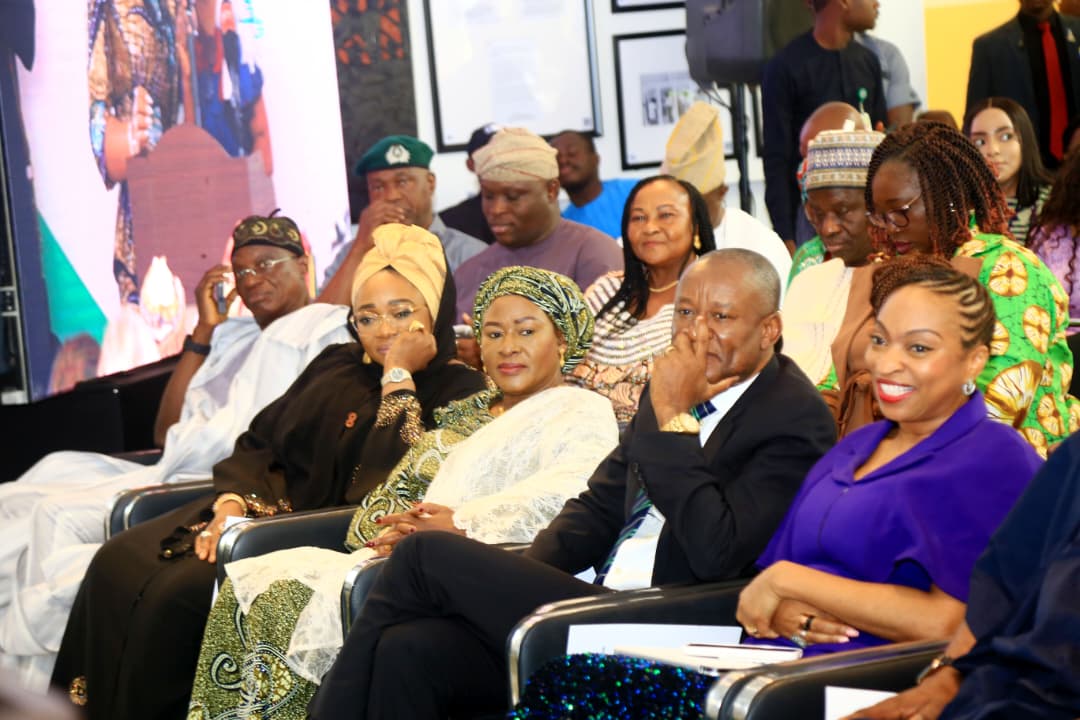
In a press release issued to journalists on Friday by Augustina Obilor-Duru, Head, Press and Public Relations at the ministry, the event brought together government officials and private sector leaders to explore policies aimed at empowering women entrepreneurs to take advantage of AfCFTA opportunities.
The policy conversation comes at a time when Nigeria is seeking to expand non-oil exports and deepen participation in the African Continental Free Trade Area, widely regarded as the world’s largest free trade area by number of participating countries.
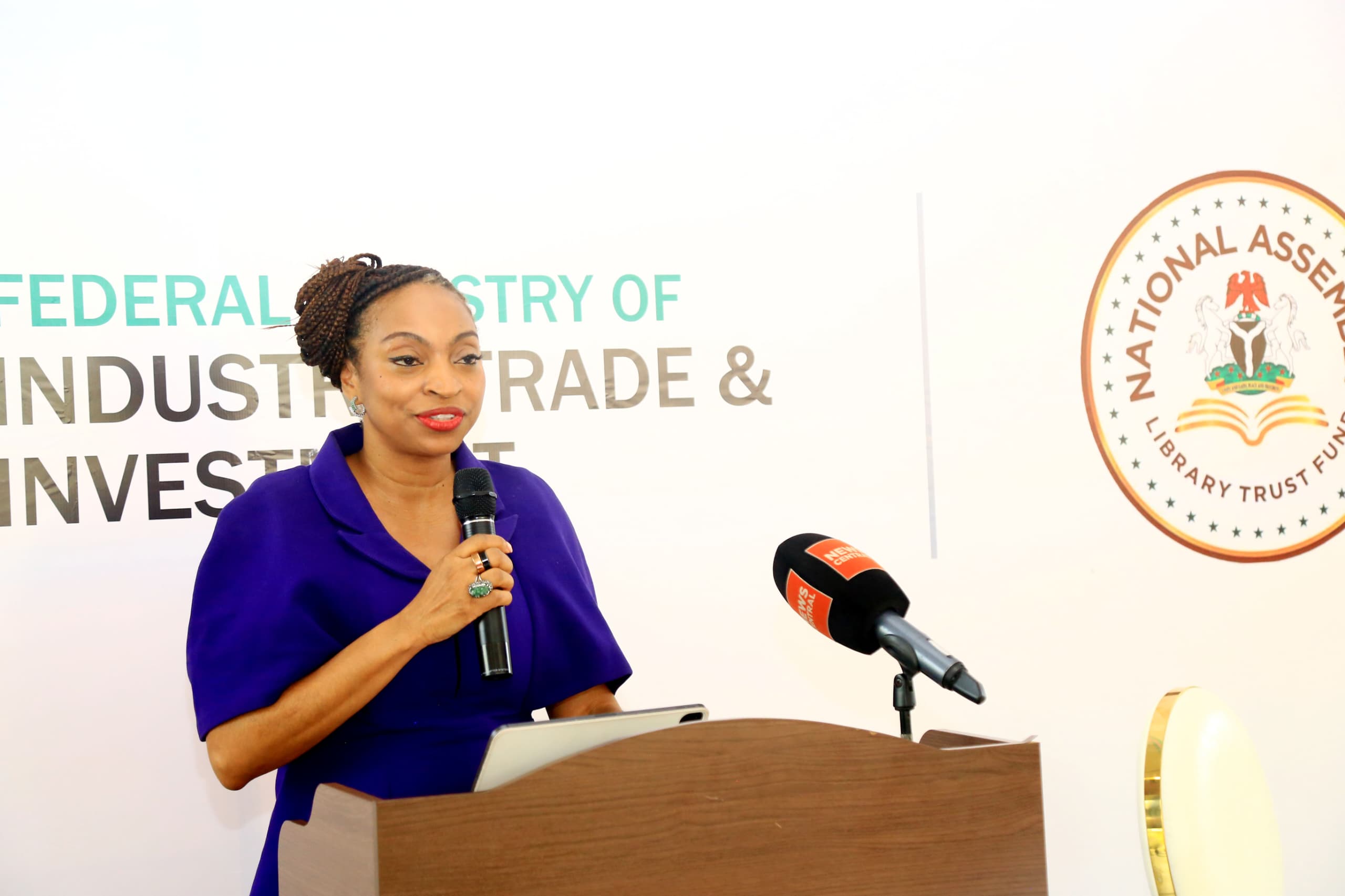
Delivering the keynote address, Jumoke Oduwole, Minister of Industry, Trade and Investment, described the AfCFTA as a transformative economic initiative linking more than 1.3 billion people within a market valued at over $3 trillion. She said supporting women-led businesses to scale operations and participate in cross-border trade would drive industrial growth, job creation, and expanded exports.
Speaking ahead of International Women’s Day, she emphasized that inclusive economic growth requires collaboration among government institutions, investors and the private sector. Strengthening women’s participation, she added, is central to Nigeria’s ambition of building a $1 trillion economy through stronger exports, industrial capacity, and continental trade integration.
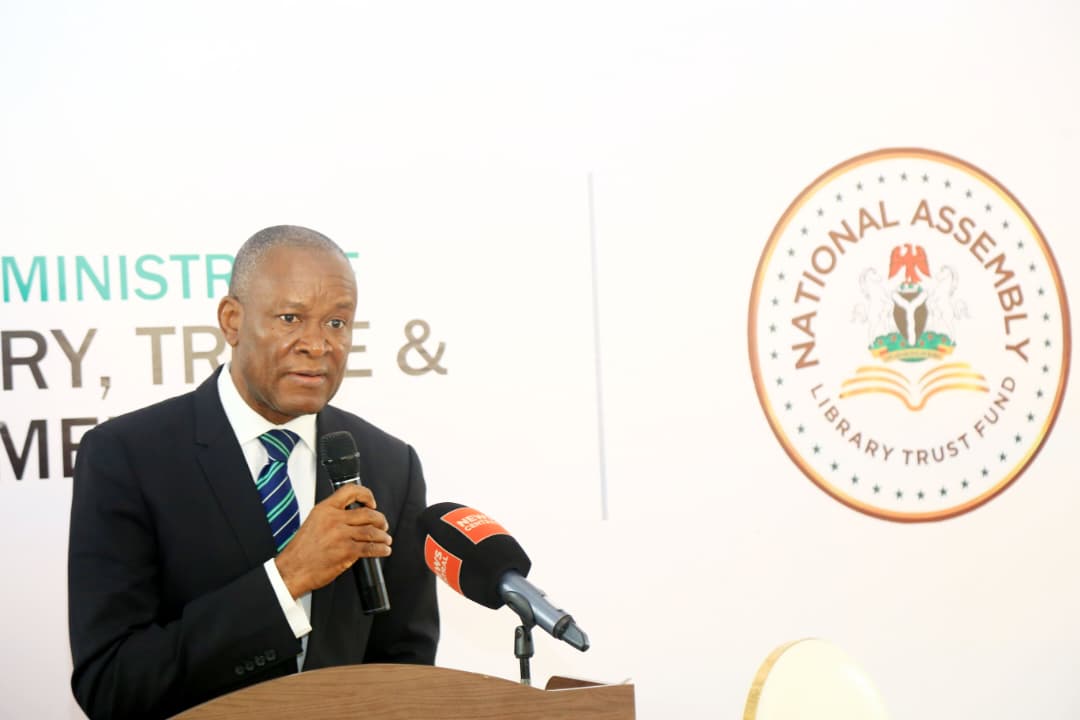
John Owan Enoh, Minister of State for Industry, described the moment as pivotal for Nigeria’s industrial development. While AfCFTA has created Africa’s largest free trade area, he noted that real gains depend on competitive industries and the ability of women-led enterprises to overcome barriers to finance and market access.
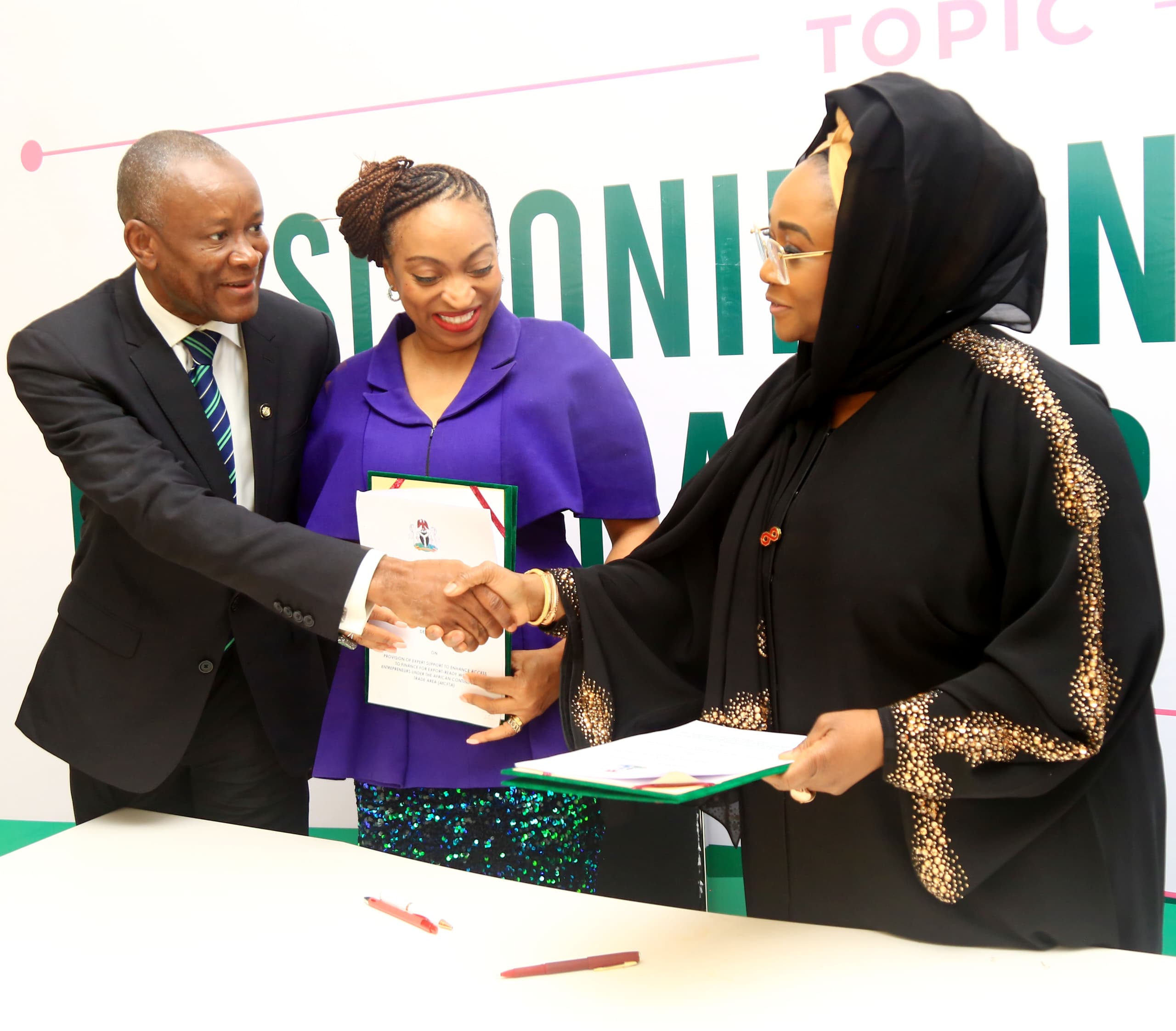
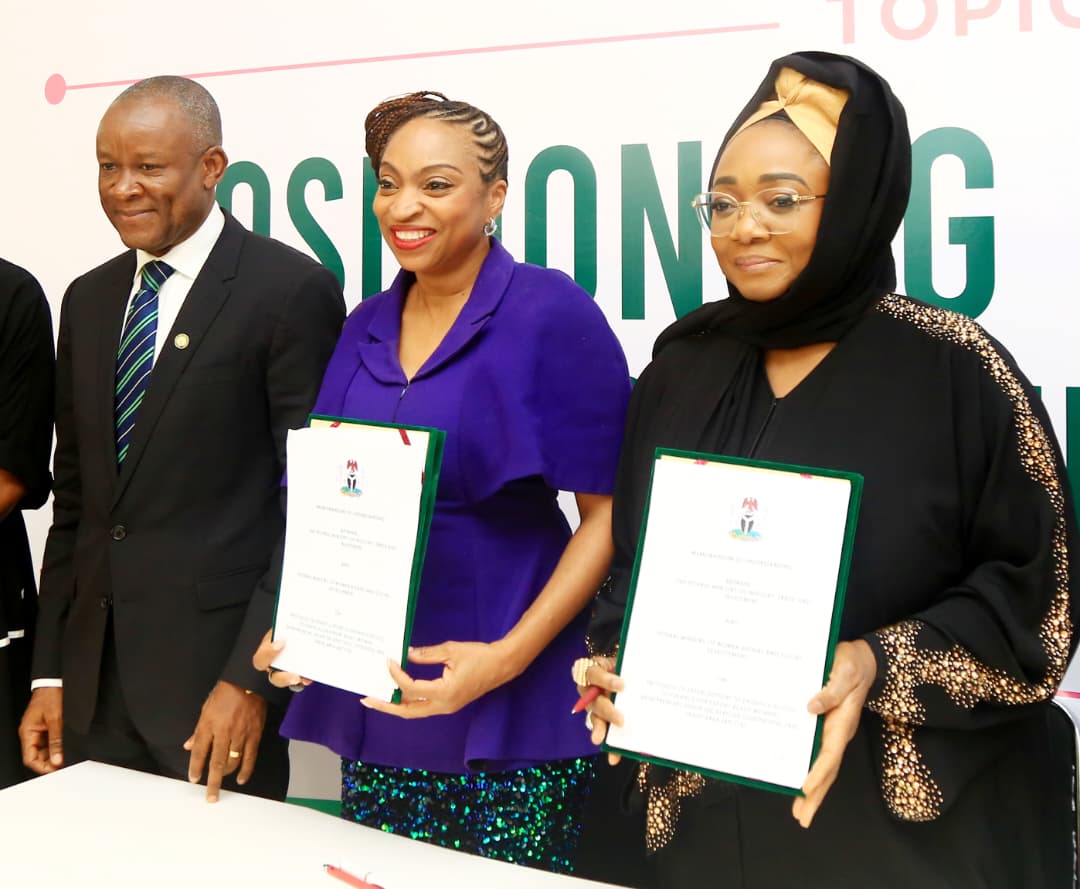
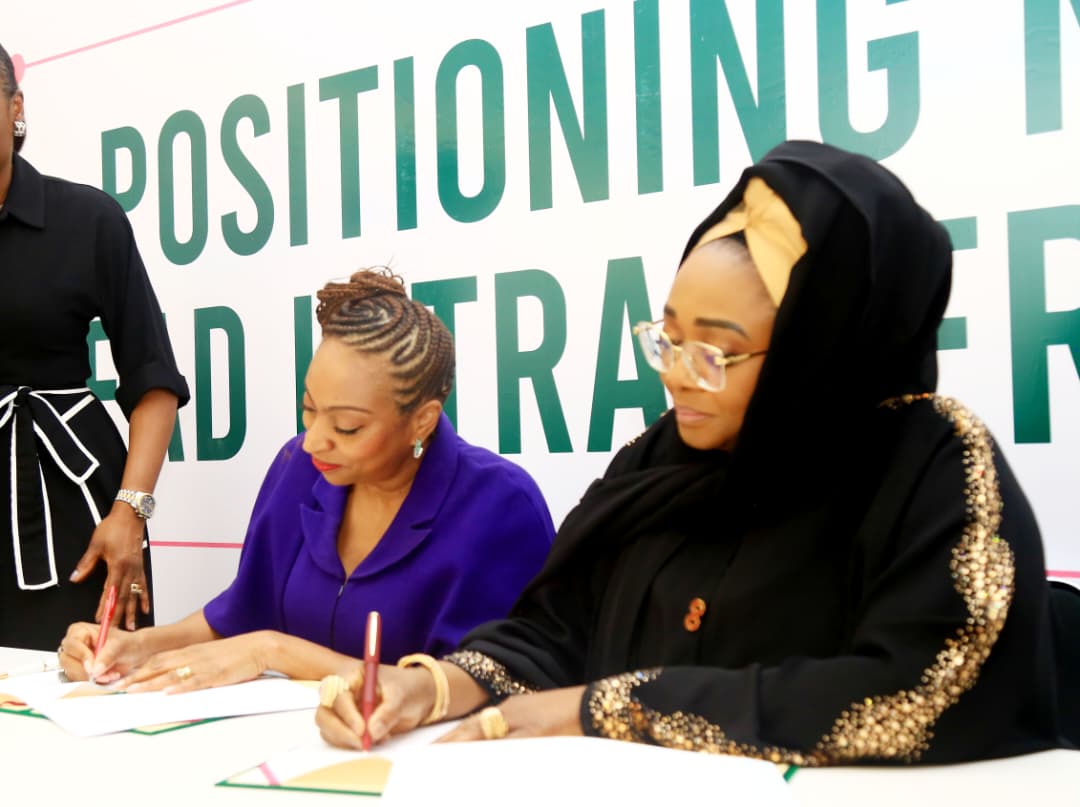
The Minister of Women Affairs, Imaan Sulaiman-Ibrahim emphasized integrating gender-responsive policies into national trade frameworks. She announced a Memorandum of Understanding between the Ministry of Women Affairs and the Ministry of Industry, Trade and Investment to improve access to finance, provide export readiness training, strengthen digital trade capabilities, and create a national database of women-owned enterprises.
Didi Esther Walson-Jack, Head of the Civil Service of the Federation, commended the ministry for creating a platform highlighting the contribution of women to economic development and intra-African trade, noting that their full participation is critical to the success of AfCFTA and Nigeria’s broader economic transformation.
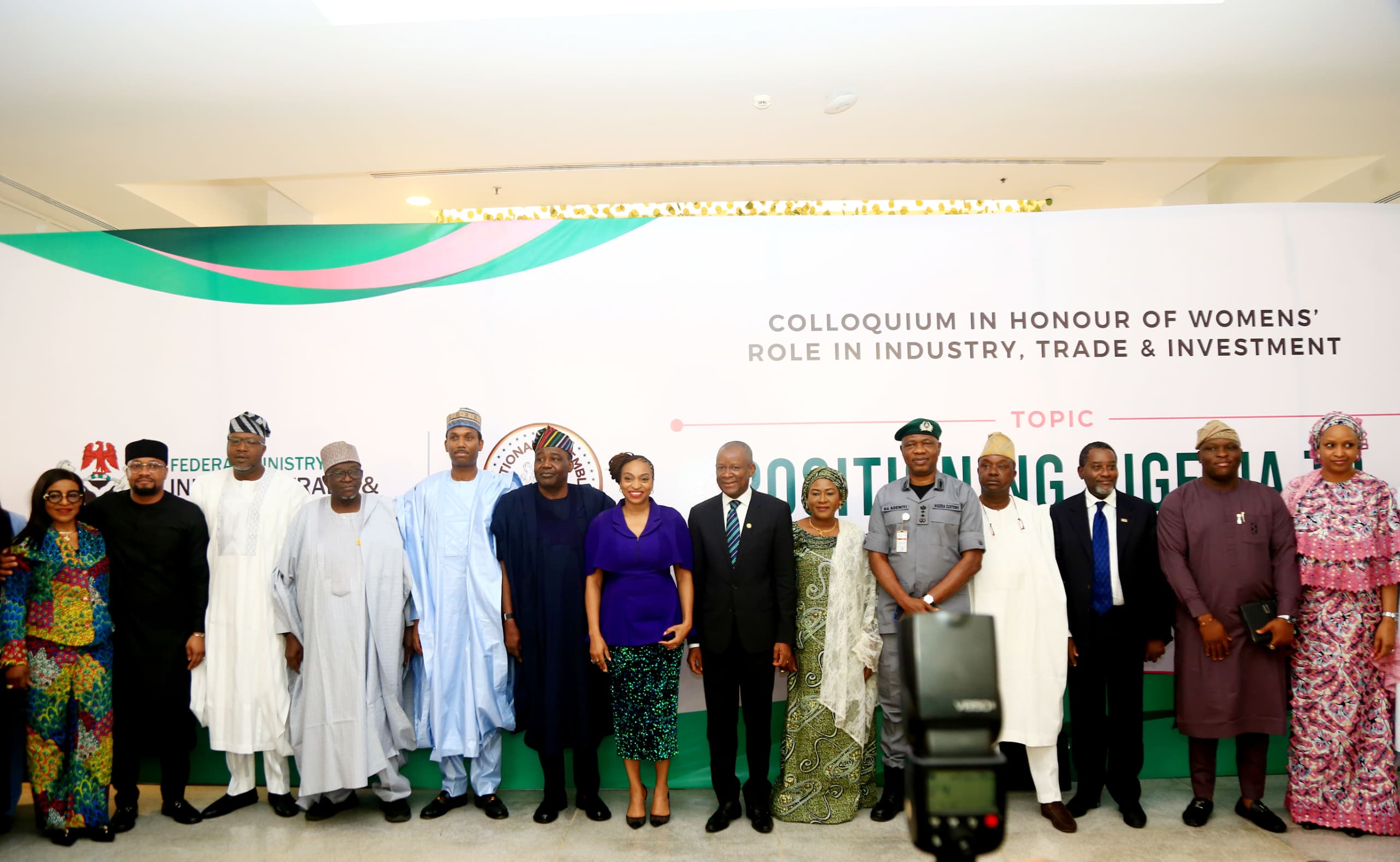
The colloquium ended with a renewed commitment from policymakers, development partners, and private sector leaders to turn discussions into concrete programs and policies that will expand market access, strengthen women-owned enterprises, and accelerate industrialization under the AfCFTA framework.
