

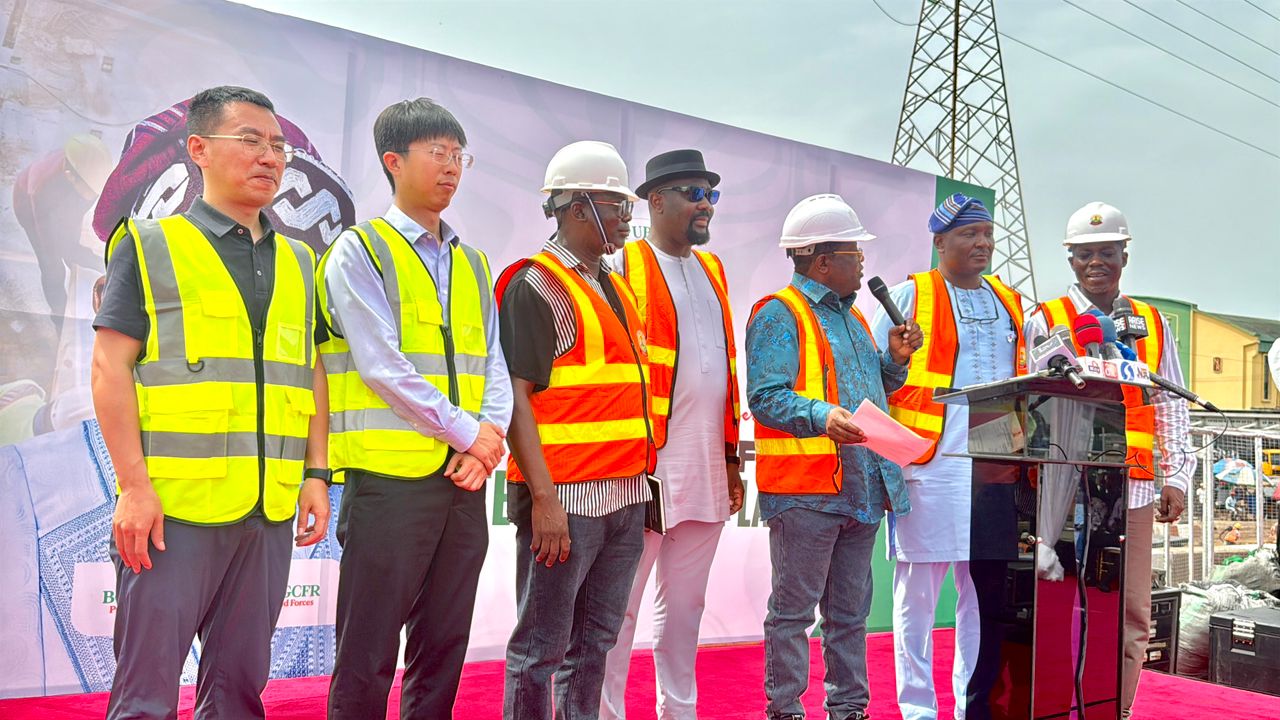
By Victoria Attah
The Federal Government has announced the partial closure of the Eko Bridge in Lagos after structural damage linked to illegal sand mining activities raised fresh safety concerns over one of the city’s busiest transport routes.
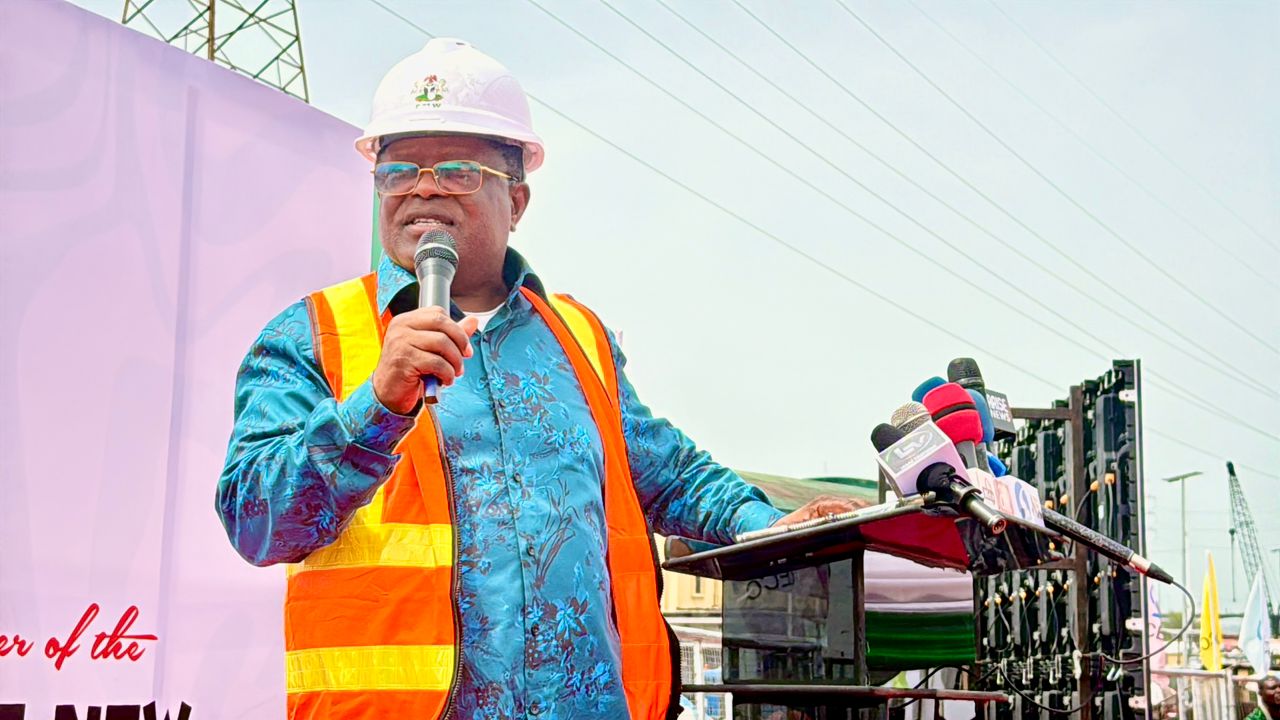
Minister of Works, David Umahi, disclosed that one carriageway of the bridge will be shut to traffic from Sunday midnight to allow emergency repairs and technical investigations to begin.
According to the minister, illegal dredging activities around the bridge weakened some of its structural supports after a sand mining barge reportedly rammed into critical underwater components of the bridge.
“When they hit the pile cap, several piles were damaged, and the structure became unstable,” Umahi said during an inspection and project handover event in Lagos.
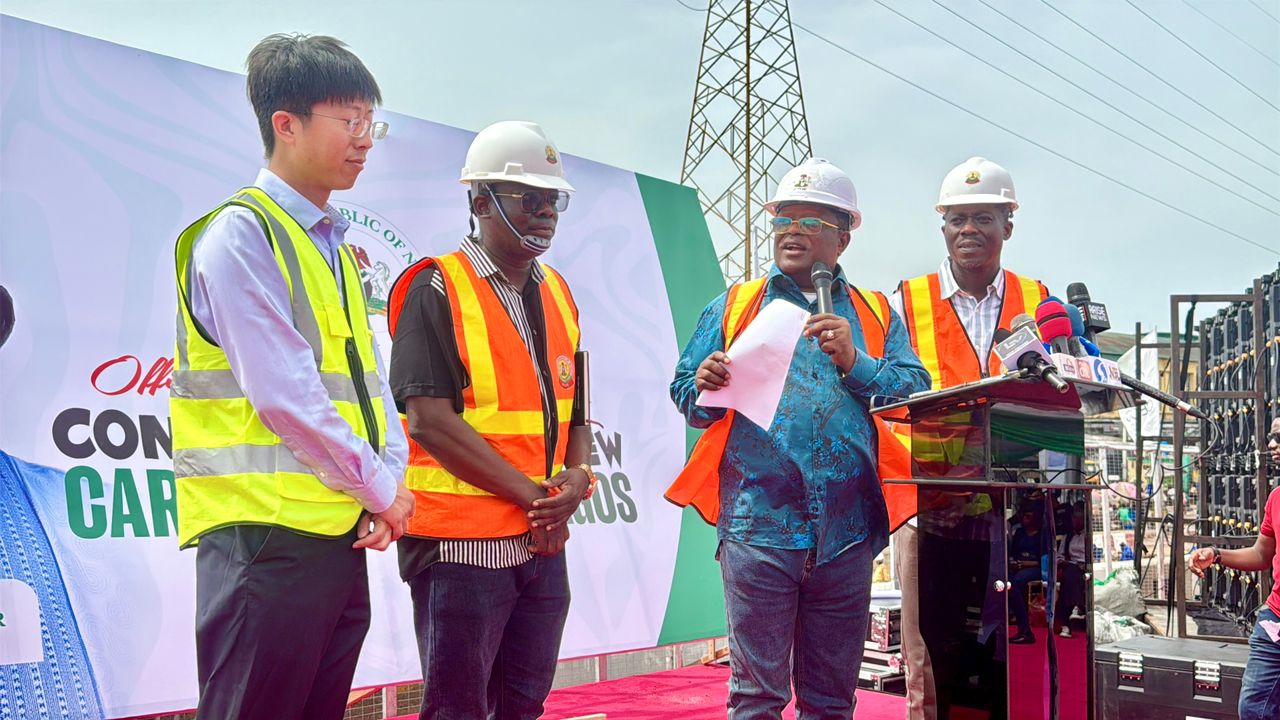
He warned that visible cracks had already appeared on sections of the bridge, stressing that immediate intervention became necessary to prevent further deterioration and protect commuters.
The minister explained that engineers would carry out emergency lifting operations on part of the bridge to expose the damaged areas beneath for repairs, while specialist divers conduct underwater assessments.
Umahi said Buildwell Construction has been selected to handle the emergency repair works because of the company’s previous experience on bridge rehabilitation projects in Lagos.
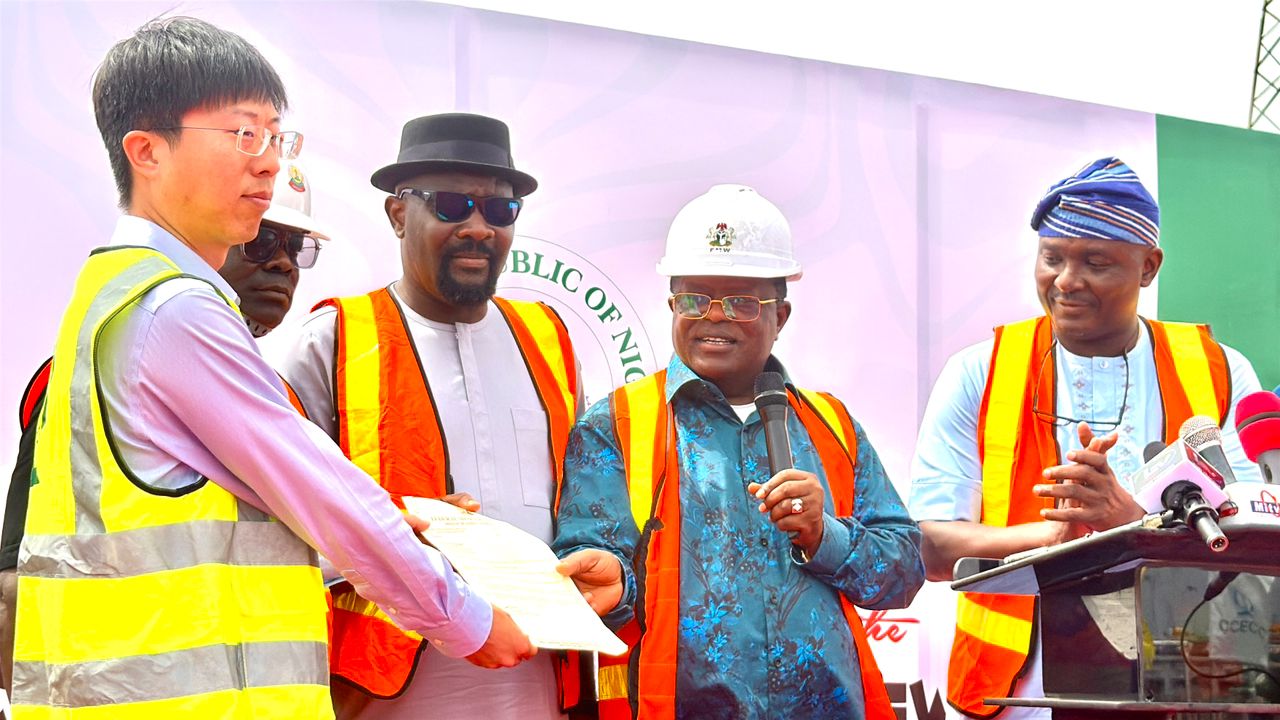
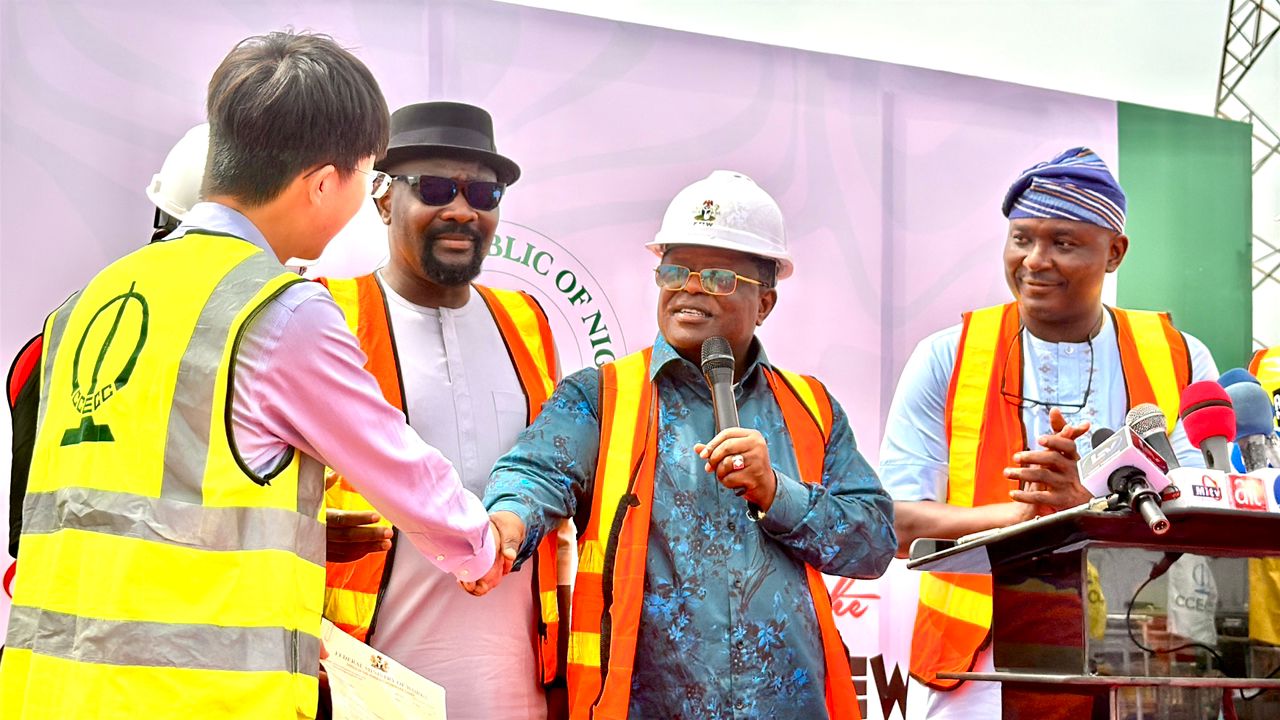
While addressing the Eko Bridge situation, the minister also formally handed over the reconstruction of the ageing Carter Bridge to China Civil Engineering Construction Corporation (CCECC), marking the beginning of a major infrastructure renewal project in Lagos.
He revealed that technical reports on both Carter Bridge and the Third Mainland Bridge had raised concerns over worsening structural defects beneath the water level over the years.
According to him, investigations dating back to 2013, and followed by further assessments in 2019 and under the current administration, showed progressive damage to several underwater support structures.
Umahi said the government eventually opted for a complete reconstruction after experts concluded that repairing the existing Carter Bridge would be significantly more expensive than building a new one.
The new bridge project, estimated at N545 billion, is expected to run for 36 months and will feature a cable-stayed section aimed at improving marine navigation and modernising Lagos infrastructure.
The minister said the contract was awarded after a competitive bidding process involving multiple firms, with CCECC emerging as the preferred contractor based on technical competence and financial evaluation.
He credited President Bola Ahmed Tinubu for approving the intervention projects, saying the administration was determined to address long-standing infrastructure challenges across the country.
Umahi appealed to Lagos residents to cooperate with traffic management measures during the repair period, assuring that the Federal Government would intensify monitoring to ensure the projects meet required engineering standards.
“We will continue to work day and night to safeguard lives and preserve critical national infrastructure,” the minister stated.
