

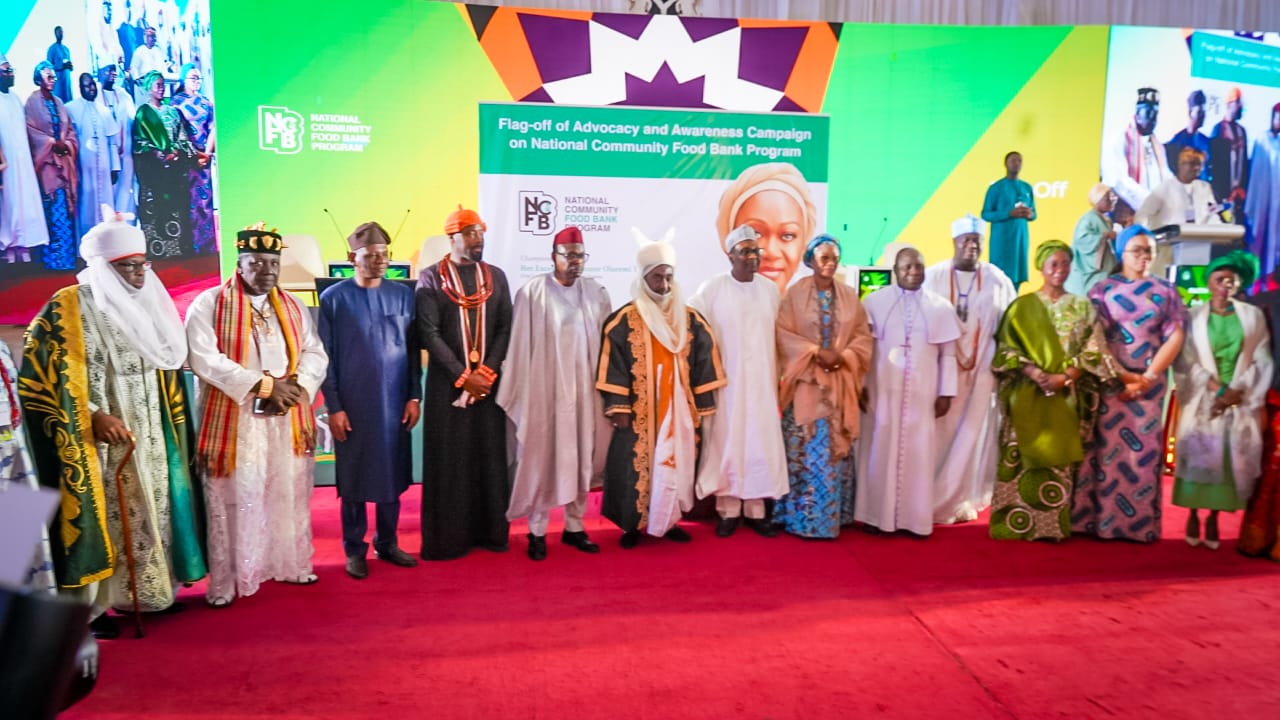
National Community Food Bank Program launched to improve nutrition and empower communities, as Health Minister Salako calls for greater engagement of traditional and religious leaders
By Joy Onu
The commitment of Nigeria’s First Lady, Senator Oluremi Tinubu, CON, to food security and public health has been hailed as transformative by the Minister of State for Health and Social Welfare, Dr. Iziaq Adekunle Salako. Speaking at the National Traditional and Religious Leaders’ Summit on Health 2026 at the Banquet Hall, State House, Abuja, Dr. Salako described her interventions through the Renewed Hope Initiative as a model of “motherly leadership” that directly advances the Federal Government’s number one agenda.
The summit, themed “Role of Traditional and Religious Leaders in Advancing the Nigeria Health Sector Renewal Investment Initiative (NHSRII)”, provided a platform for national and local leaders to explore ways to strengthen healthcare delivery. According to a press release to the media signed by Ado Bako, Assistant Director, Information and Public Relations, the event also featured the launch of the National Community Food Bank Program, which the Minister highlighted as a key demonstration of the First Lady’s dedication to achieving zero hunger and improving the wellbeing of Nigerian families.
“The National Community Food Bank Program, championed by Her Excellency, reflects an unwavering commitment to ensure that no Nigerian goes hungry,” the Minister said.
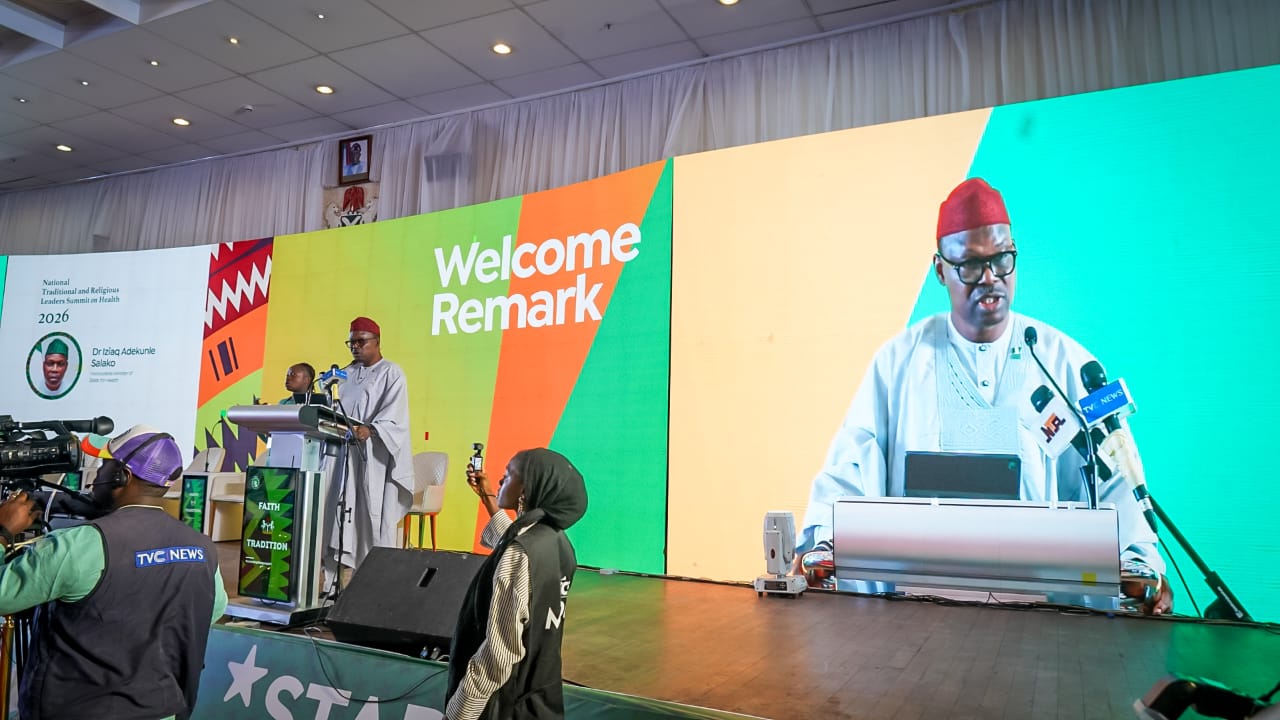
The initiative addresses critical nutritional gaps, complementing preventive, curative, and rehabilitative healthcare under the Renewed Hope Agenda. According to Dr. Salako, it safeguards children’s physical and cognitive development while fostering community accountability, as local leaders play an active role in program uptake. “By providing essential nutrition to the most vulnerable, the Food Bank reduces the burden of preventable illness,” he added.
Traditional and religious leaders were recognized for their pivotal role in improving health outcomes. Dr. Salako cited data from the 2024 polio outbreak response, where their intervention resolved 65% of vaccine refusals across 17 northern states, with Adamawa and Kebbi recording 92% and 84% resolution rates, respectively. Through TRL-led mapping and engagement, 926,007 under-five children were enumerated, and 851,929 (≈92%) vaccinated, representing a remarkable coverage achievement.
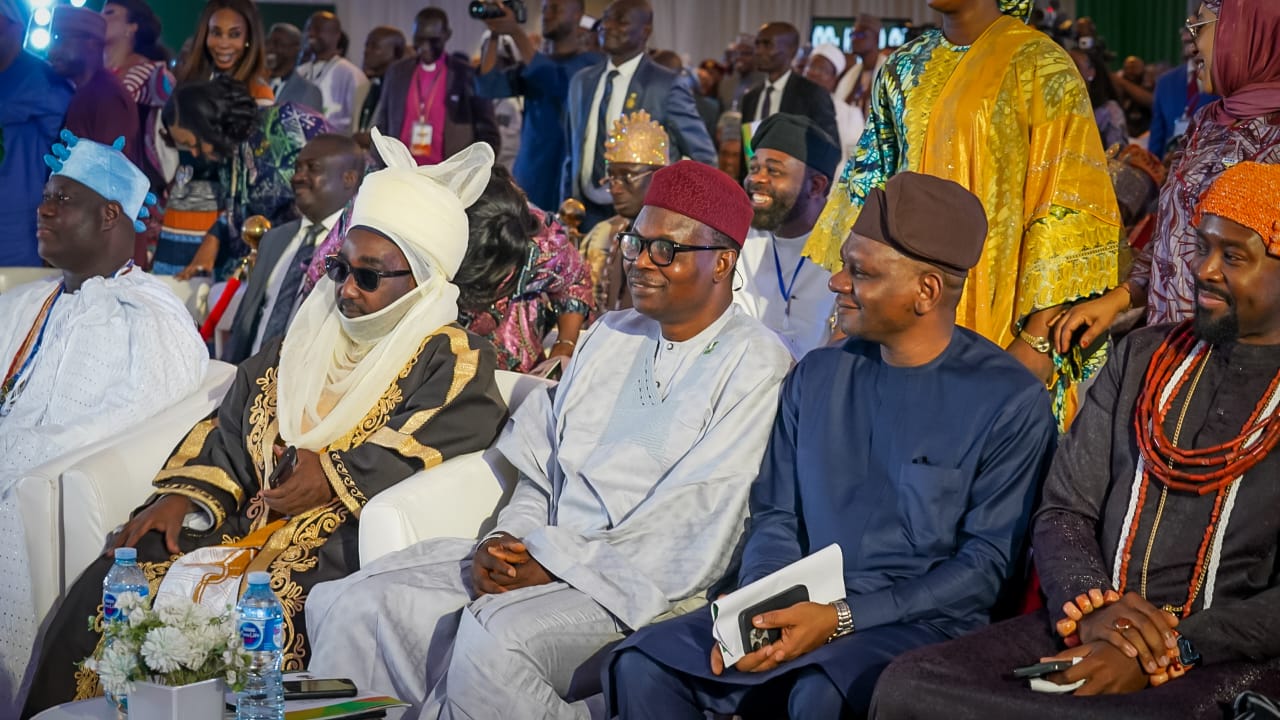
The summit aimed to transition from government-led reform to community-owned healthcare, reinforcing trust, accountability, and service uptake at the grassroots. Participants were guided to engage in plenary discussions, panel dialogues, and the creation of action pathways to mobilize communities effectively. The event concluded with the adoption of a Summit Communiqué, capturing commitments and strategies for follow-up action.
Dr. Salako emphasized that the involvement of community leaders strengthens service delivery for public health interventions, including routine immunization, maternal health, screening services, and nutrition initiatives. He called on participants to become strategic partners and champions of the Nigeria Health Sector Renewal Investment Initiative, in line with President Bola Ahmed Tinubu GCFR’s vision to prioritize the health of every Nigerian.
“Every leader here is expected to take the NHSRII back to their communities and ensure that the health of Nigerians is treated as an urgent right,” he said.
The summit underscored the government’s effort to forge strategic partnerships with the “gatekeepers of community norms”, bridging policy and practice while strengthening engagement between the state and local communities.
