

Biomedical engineers receive capacity-building training as Ministry of Health pushes preventive maintenance to improve healthcare quality and patient outcomes
By Joy Onu
The Federal Government has urged hospitals across Nigeria to conduct regular audits and maintenance of medical equipment, stressing that such measures are critical to improving healthcare service delivery and patient outcomes nationwide.
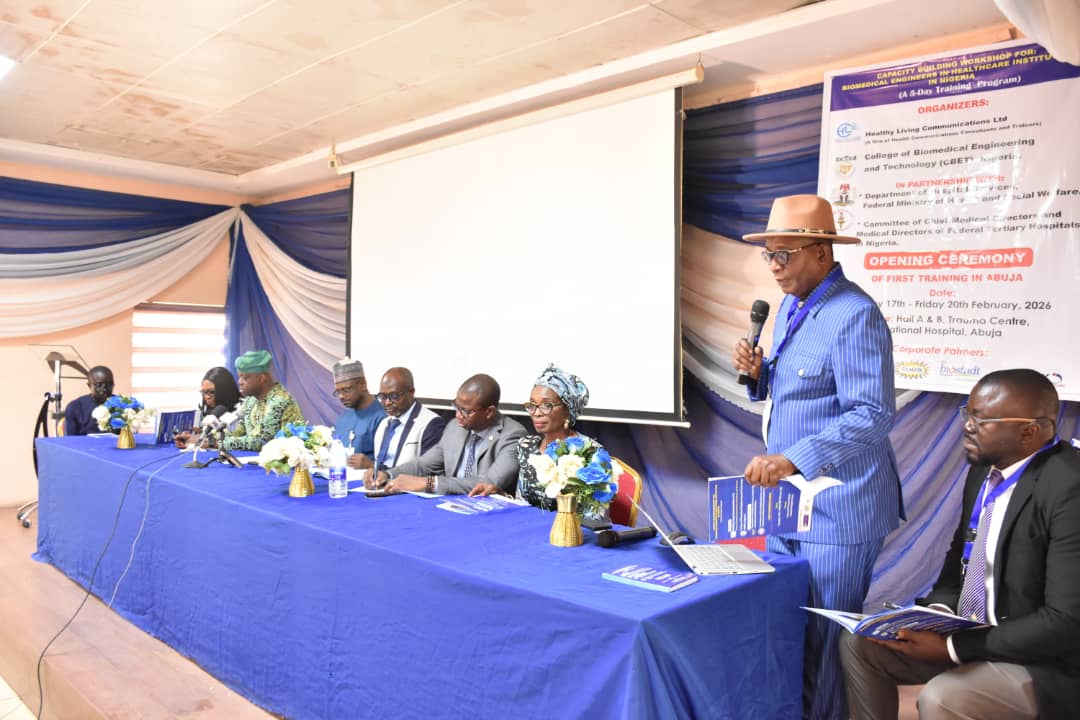
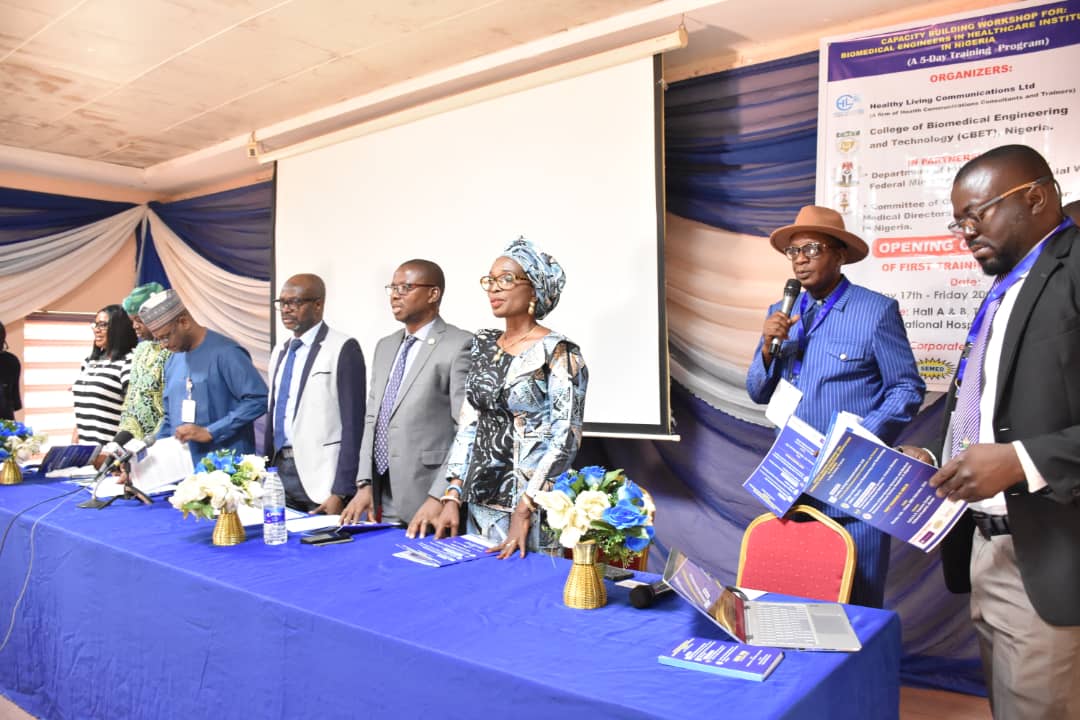
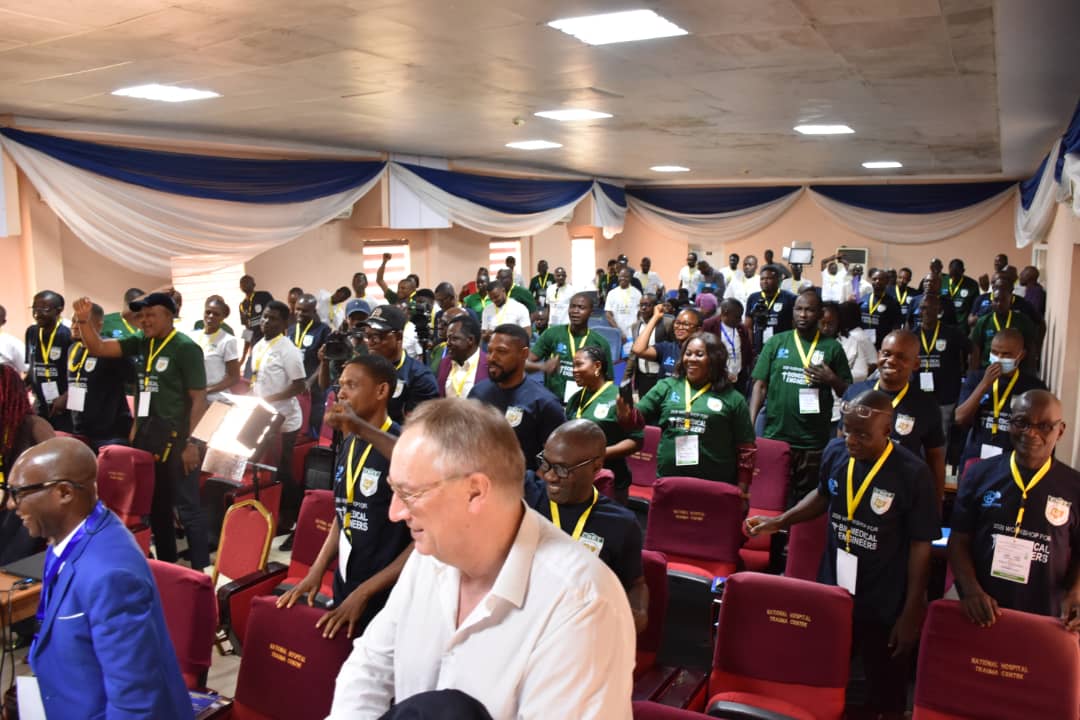
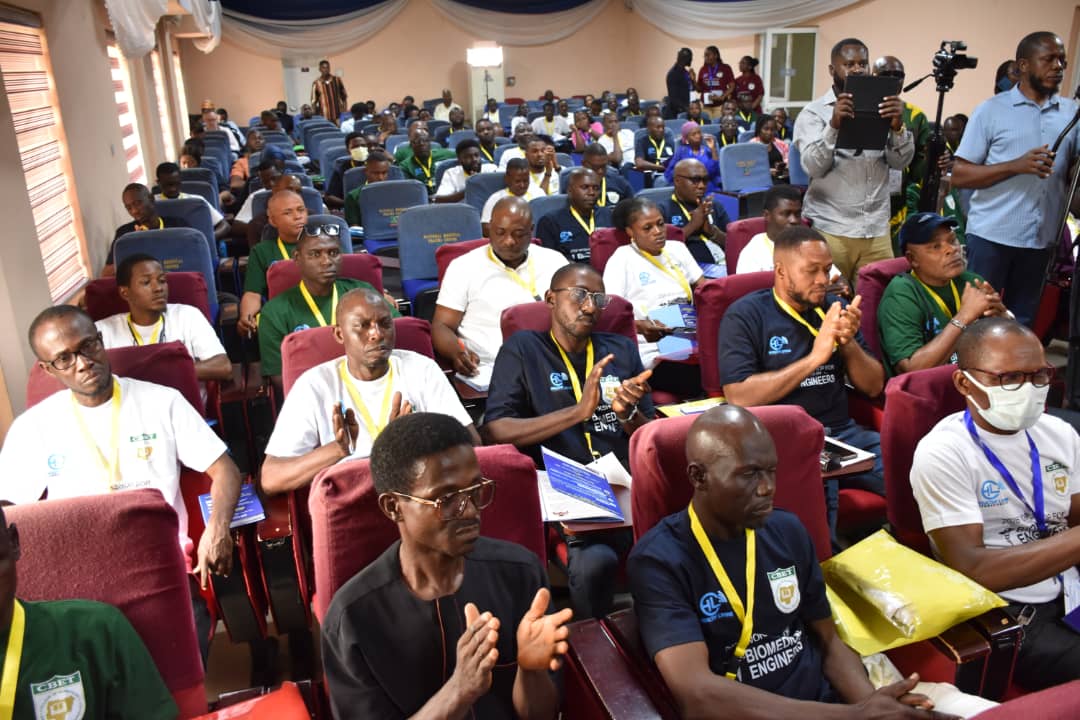
The appeal came during the opening of a five-day Capacity Building Workshop for Biomedical Engineers at the National Hospital, Abuja. According to a press release signed by Ado Bako, Assistant Director and Head, Information and Public Relations at the Federal Ministry of Health and Social Welfare, the event was organised by Healthy Living Communications Limited and the College of Biomedical Engineering and Technology (CBET), in partnership with the Ministry’s Hospital Services Department.
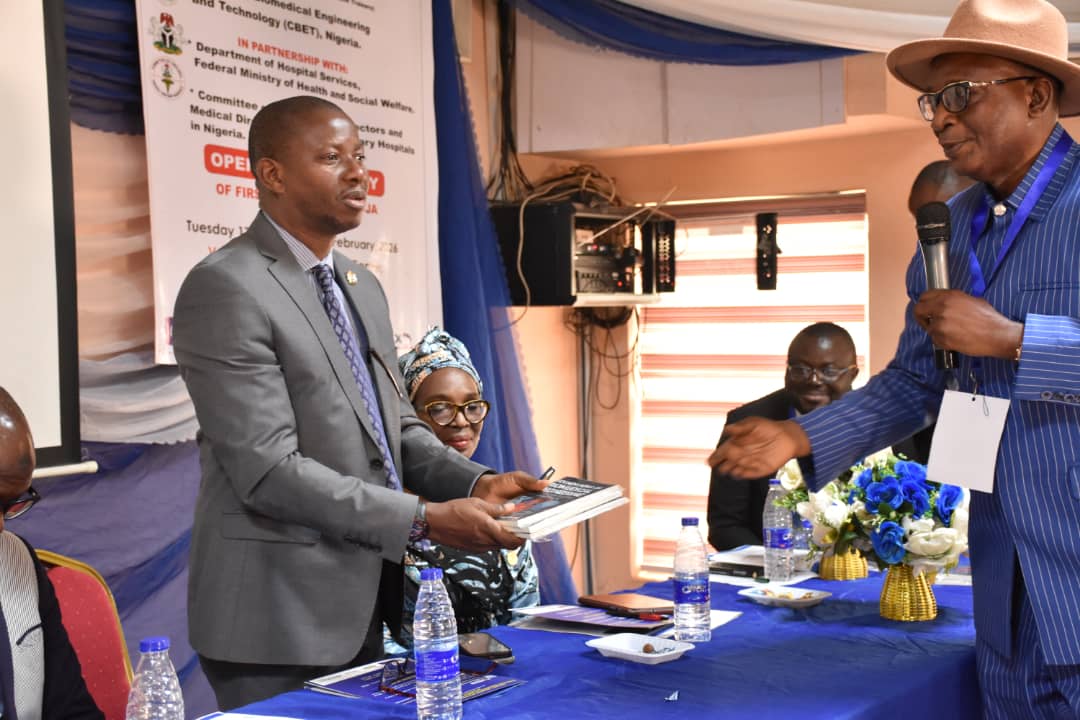
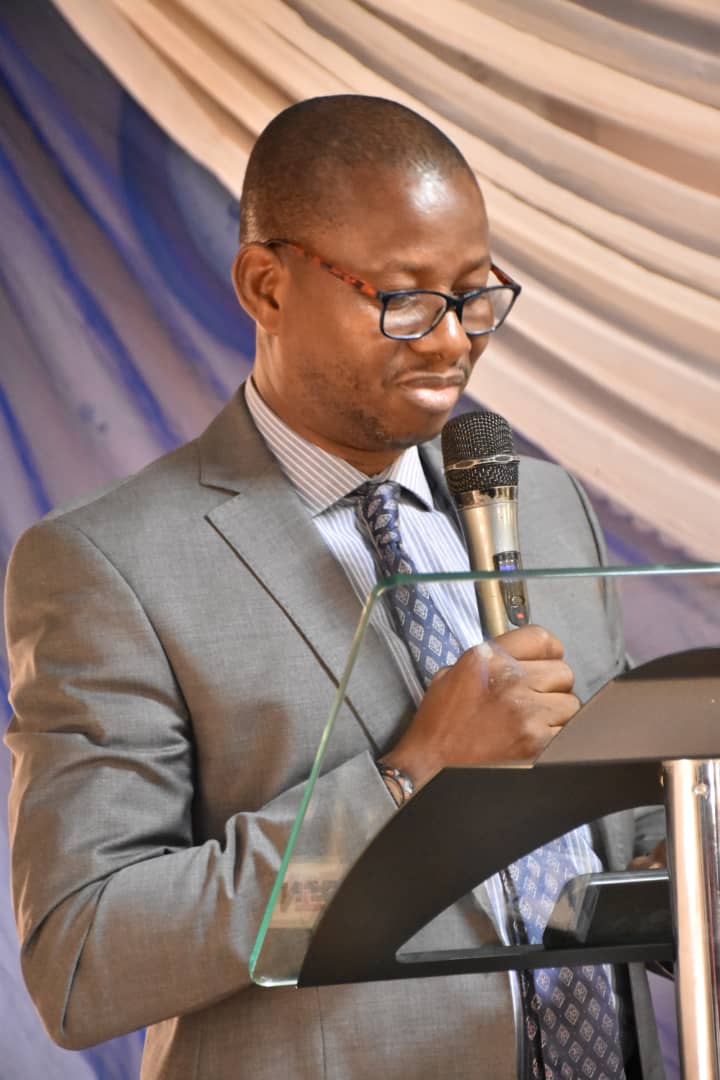
Representing the Minister of State for Health and Social Welfare, Dr Iziaq Adekunle Salako, his Special Assistant, Dr Babatunde Akinyemi, said biomedical engineers play a pivotal role in ensuring medical devices function optimally. He cautioned that even the most advanced machines remain underutilized or dysfunctional without trained personnel to maintain them.
“This workshop seeks to reawaken the professional consciousness of our biomedical engineers, refresh their technical skills, and reposition them to safeguard our expanding stock of health assets,” Dr. Salako stated.
He highlighted initiatives by the Ministry, including upgrades at Schools of Biomedical Engineering in five federal teaching hospitals—University of Benin Teaching Hospital (UBTH), Lagos University Teaching Hospital (LUTH), Ahmadu Bello University Teaching Hospital (ABUTH), University of Nigeria Teaching Hospital (UNTH), and University of Maiduguri Teaching Hospital (UMTH).
The Ministry has also launched a National Biomedical Equipment Audit and is developing a National Biomedical Equipment Maintenance Framework to ensure preventive maintenance schedules are adopted across federal tertiary hospitals and medical centres nationwide.
Earlier, Chief Emmanuel Oriakhi, Project Director of Healthy Living Communications Limited, welcomed participants, noting that many hospitals have equipment left unused or poorly maintained. He described the programme as critical to refreshing technical staff, safeguarding investments in infrastructure, and fostering a culture of maintenance.
He further stressed that boosting the capacity of biomedical engineers has become a priority given the health sector’s ongoing infrastructural development, and credited these efforts with gradually positioning Nigeria as a medical tourism destination.
Also speaking, Dame Francisca Okafor, Director of Regulatory and Professional Schools Division representing the Director of Hospital Services Department, said the workshop is a strategic initiative to enhance equipment performance and ensure that investments in healthcare infrastructure yield sustainable results for Nigerians.
Dr Kennedy Ejeta, Registrar of CBET, welcomed participants and emphasised that the training equips biomedical engineers with cutting-edge skills, fostering collaboration and preparing hospitals for future healthcare challenges.
The event featured remarks from the Chief Medical Director of the National Hospital, Abuja, Professor Mohammed Mahmood, Chief Trainer Engineer Dr Awafung Emmanuel Adie, and managing directors of medical equipment companies.
Delivering a goodwill message on behalf of FHI 360, Engineer Eberechi Ndukwe-Bello highlighted the importance of bridging the gap between equipment availability and effective operation. She praised the programme for equipping biomedical engineers with the knowledge and tools to manage critical devices, including liquid oxygen tanks and oxygen analysers, essential for patient care.
The workshop brought together biomedical engineers from federal, state, and private health institutions for hands-on demonstrations, theoretical sessions, and maintenance modules. Participants are expected to return to their institutions as change agents capable of reducing equipment downtime, promoting cost-effective maintenance practices, and driving local innovations.
The Federal Government reiterated its commitment to modernising health infrastructure, enhancing professionalism, and strengthening the nation’s healthcare system through strategic investments, technical training, and collaboration with local and international partners.
