

By Joy Onu
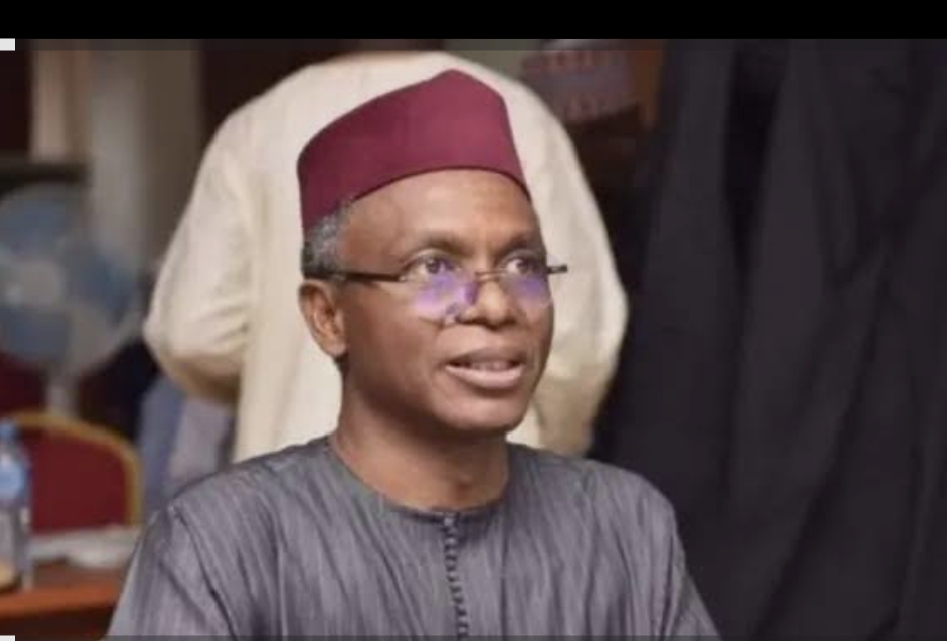
Former Kaduna State governor Nasir El-Rufai faces criminal charges from the Federal Government over alleged interception of the National Security Adviser’s communications. His appearance at the EFCC headquarters on Monday sparked protests from supporters and opponents alike, marking a politically charged birthday.
What should have been a day of goodwill messages and quiet reflection for former Kaduna State governor Nasir El-Rufai instead unfolded into a defining political moment, as Nigeria’s Federal Government moved to file criminal charges against him over an alleged breach of national security communications.
Court documents now before the Federal High Court in Abuja show that prosecutors are accusing El-Rufai of involvement in the unlawful interception of telephone communications belonging to the National Security Adviser, Nuhu Ribadu.
According to filings, investigators are relying in part on remarks attributed to the former governor during a February appearance on Prime Time on Arise TV, where he allegedly made statements suggesting knowledge of how the NSA’s communications were accessed. Authorities claim El-Rufai failed to alert security agencies despite being aware of those involved.
The charge sheet lists three counts under Nigeria’s cybercrime and communications laws. Prosecutors allege unlawful interception of protected communications, failure to report a security breach, and actions capable of undermining public safety and national security through the misuse of technical surveillance equipment.
The story took a dramatic turn on Monday when El-Rufai arrived at the headquarters of the Economic and Financial Crimes Commission in Abuja in connection with ongoing investigations into alleged corruption during his tenure. His arrival reportedly created tension at the EFCC entrance, as security operatives restricted members of his entourage from entering the premises.
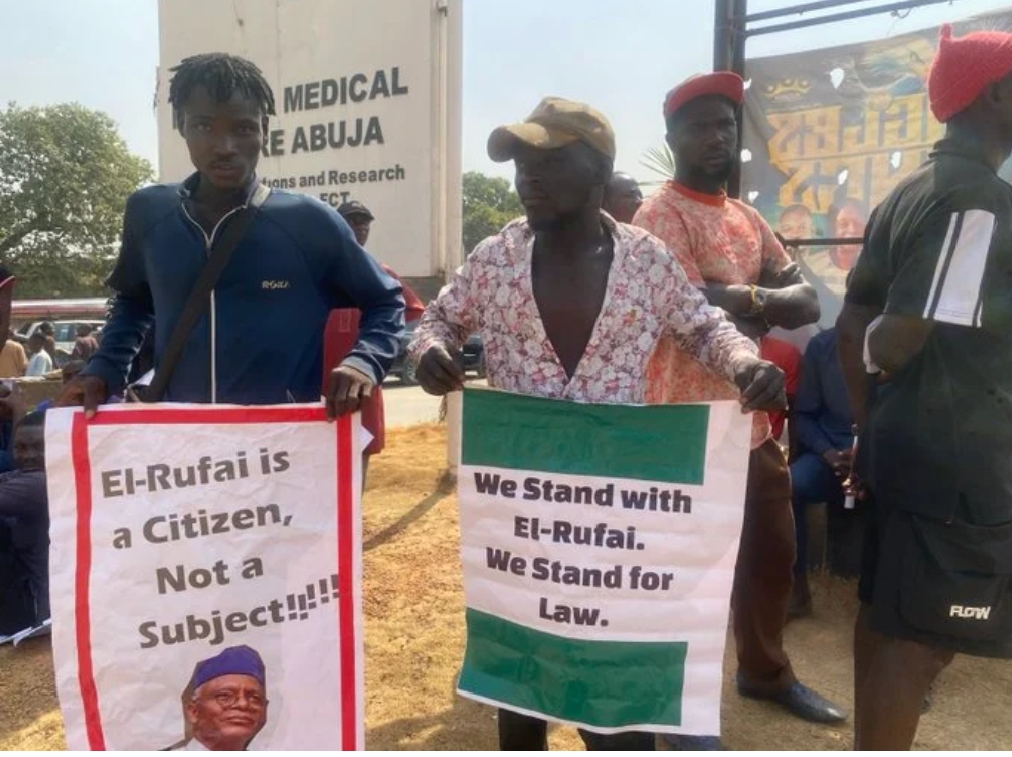
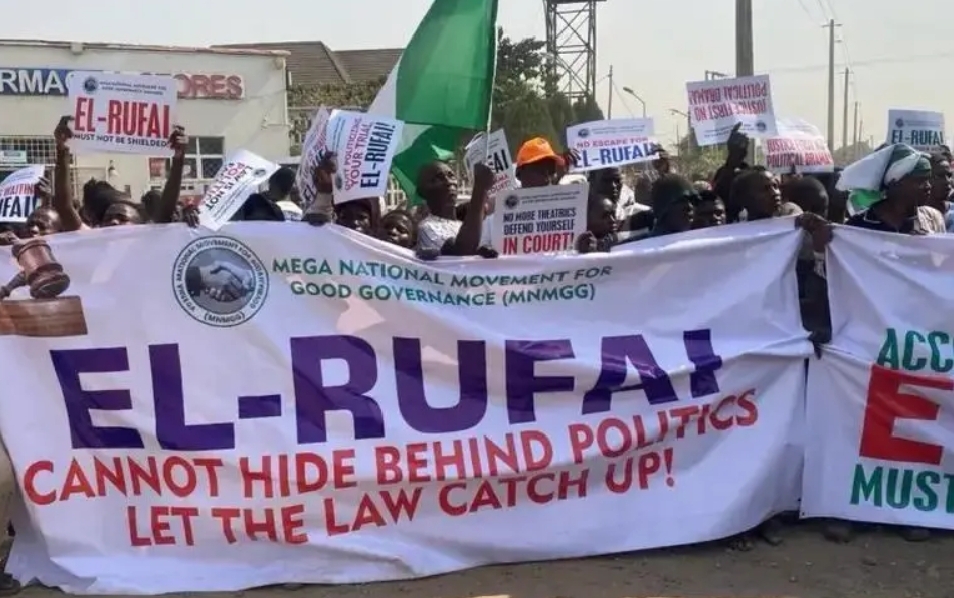
Supporters of the former governor gathered outside the commission, chanting slogans and holding placards reading, “El-Rufai is a citizen, not a subject” and “We stand with El-Rufai. We stand for law.” A video circulating online showed protesters alleging that EFCC personnel had deployed teargas against them while allowing anti-El-Rufai demonstrators nearby. The opposing group carried banners stating, “El-Rufai cannot hide behind politics, let the law catch up” and smaller placards urging, “Answer the charge, El-Rufai.”
El-Rufai, who had traveled abroad on November 30, 2025, had earlier been delivered a formal invitation by the EFCC in December, sparking speculation over a possible arrest upon his return. His media adviser, Muyiwa Adekeye, claimed that security agents had attempted to detain him upon arrival from Cairo, Egypt, but the former governor declined to follow them without an official summons.
Beyond the legal arguments, the case carries unmistakable political undertones. El-Rufai, a former Minister of the Federal Capital Territory and a prominent opposition figure, now faces a court process that could significantly alter his position in Nigeria’s shifting political landscape, regardless of the outcome. While he has yet to enter a plea, the Federal High Court is expected to fix further hearing dates in the coming days. For now, his birthday has become less a personal milestone and more a symbol of how quickly power, politics, and the law can collide in Nigeria’s public life.
