

By Joy Onu, Abuja
In a bold move to transform healthcare delivery in Nigeria, the Ministry of Health and Social Welfare has placed diagnostics at the heart of the nation’s health reform agenda. Speaking at the 2026 National Summit on Diagnostics, Dr. Iziq Adekunle Salako, Honourable Minister of State for Health and Social Welfare, described diagnostics as the foundation upon which modern medicine stands.
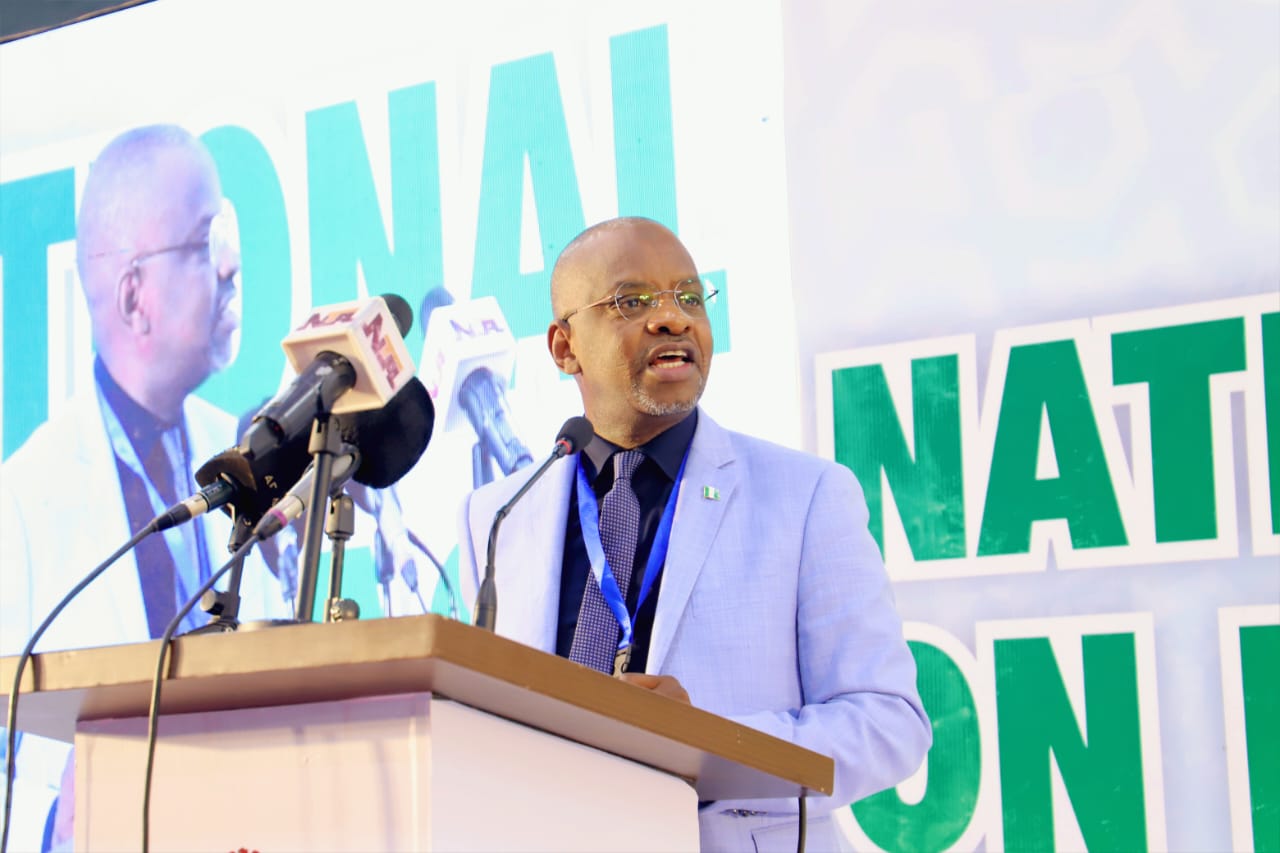
The summit, held in Abuja under the theme “Strengthening Partnerships and Local Content for Integrated Diagnostics,” brought together policymakers, healthcare professionals, and international experts to chart a path toward a more resilient and integrated health system. Dr. Salako highlighted that timely and accurate diagnosis is critical not only for effective treatment but also for preventing disease and monitoring patient progress.
Represented by Permanent Secretary Daju Kachollom, S. mni, the Minister emphasized that improving diagnostics requires more than equipment. It demands skilled personnel, functional laboratory networks, strong governance, and sustainable financing. “A well-integrated diagnostic system empowers healthcare providers to make informed decisions, improving patient outcomes and optimizing resources,” he said.
A key focus of the discussions was the development of local capacity. The Minister noted that boosting domestic production of diagnostic technologies and equipment would strengthen national health security, create employment opportunities, and position Nigeria as a leader in healthcare innovation in Africa.
The summit also spotlighted the government’s commitment under the Renewed Hope Agenda of President Bola Ahmed Tinubu, GCFR, to reform the health sector. Initiatives like the National Essential Diagnostics List demonstrate the Ministry’s dedication to improving laboratory services across the country.
International perspectives added weight to the conversation. Dr. Gidado Mustapha, Executive Director of KNCV TB Foundation in the Netherlands, called for a national diagnostics integration framework, stressing the need to expand services to primary healthcare facilities for early disease detection and better quality of care.
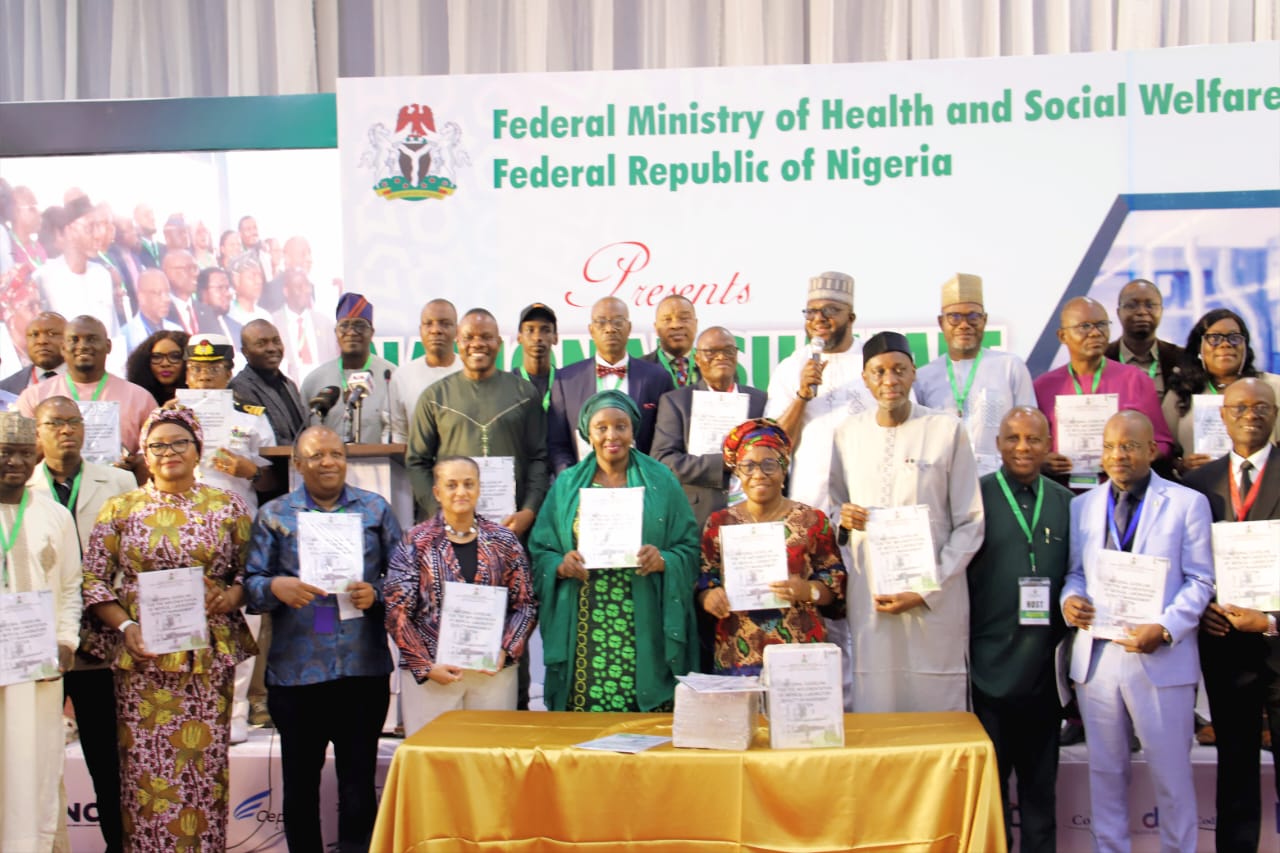
Participants at the summit witnessed the official unveiling of the National Guideline for the Implementation of Medical Laboratory Quality Management System, a move hailed as a major step toward standardizing diagnostic services across Nigeria. In his vote of thanks, Dr. Emeka Elom, Director of Medical Laboratory Services, praised the Minister of State for Health and Social Welfare and the Permanent Secretary for their visionary leadership in advancing the country’s health sector reforms.
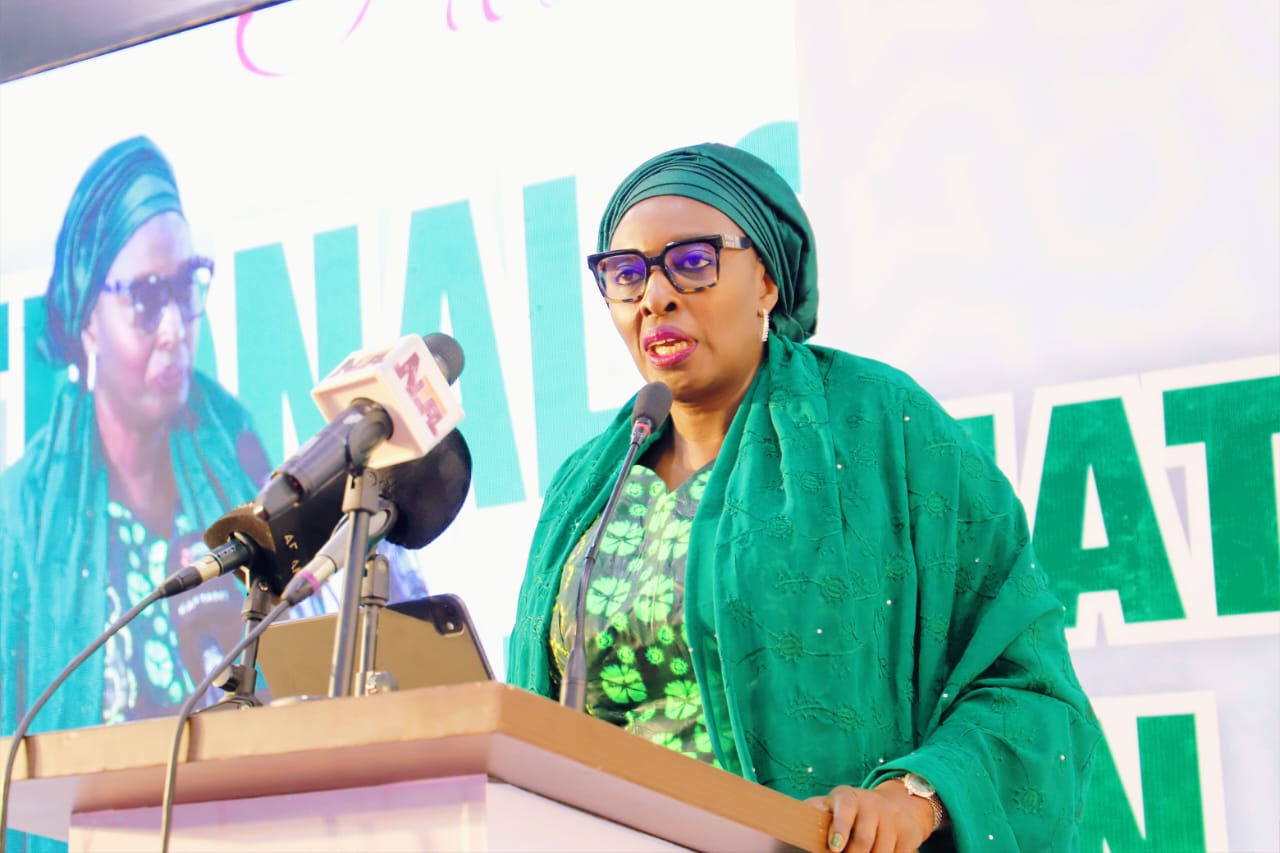
Permanent Secretary Daju Kachollom, represented by Dr. Adeola Adegoke, Director of Hospital Services, reflected on the challenges facing the sector. While progress has been made in expanding laboratory capacity, gaps remain in infrastructure, workforce, and equitable access. She emphasized that only through strong partnerships between government, development agencies, academia, and the private sector can these challenges be overcome.
By the close of the summit, it was evident that diagnostics will play a central role in strengthening Nigeria’s healthcare system. Now institutionalized as an annual event, the summit is set to provide a platform for innovation, collaboration, and local expertise, with the goal of ensuring all Nigerians have access to reliable and high-quality diagnostic services.
