

By Joy Onu
Nigeria’s private sector has been described as a central driver of national development, with the Federal Government insisting that engagement with businesses is a shared obligation necessary for sustainable growth.
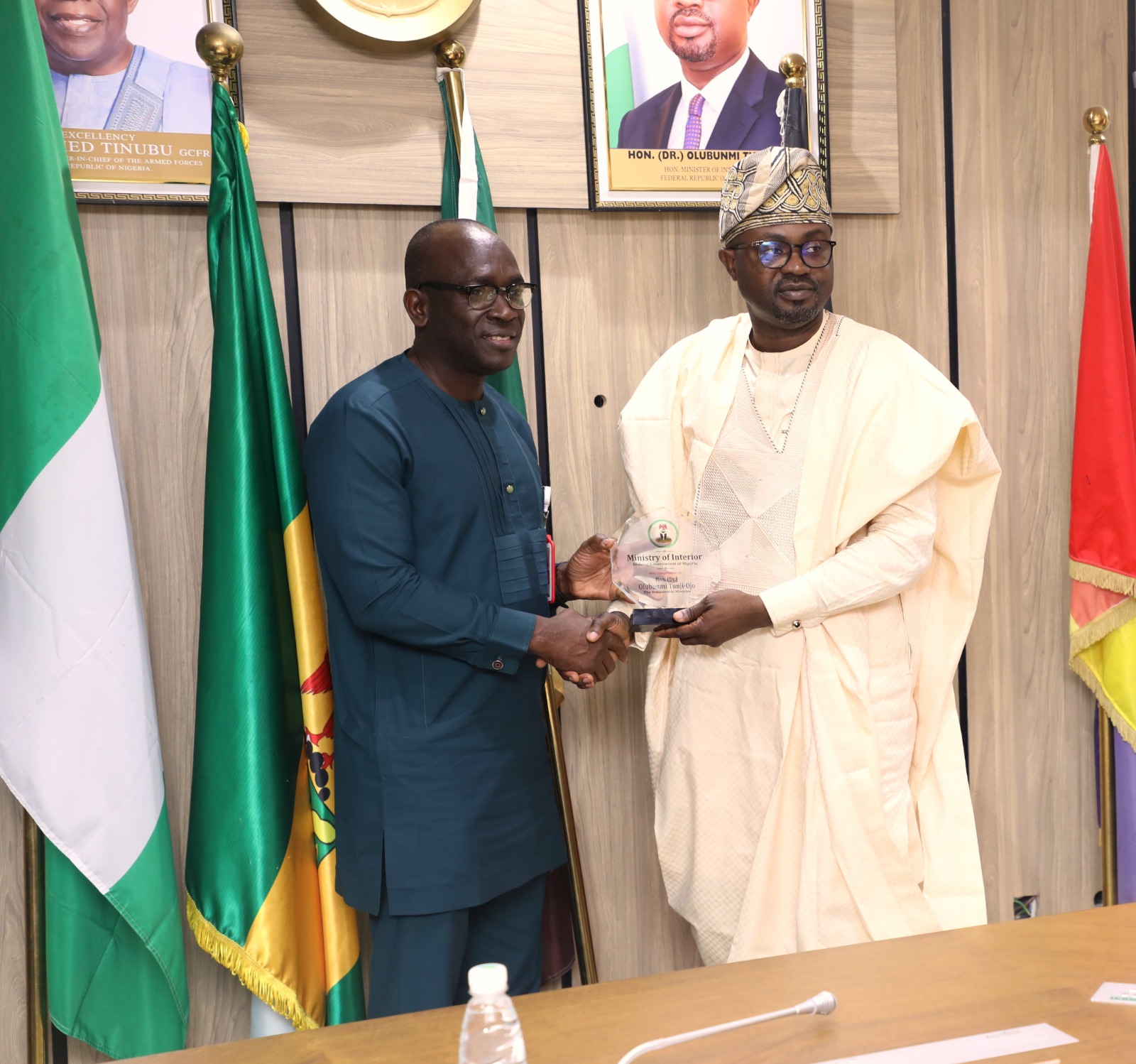
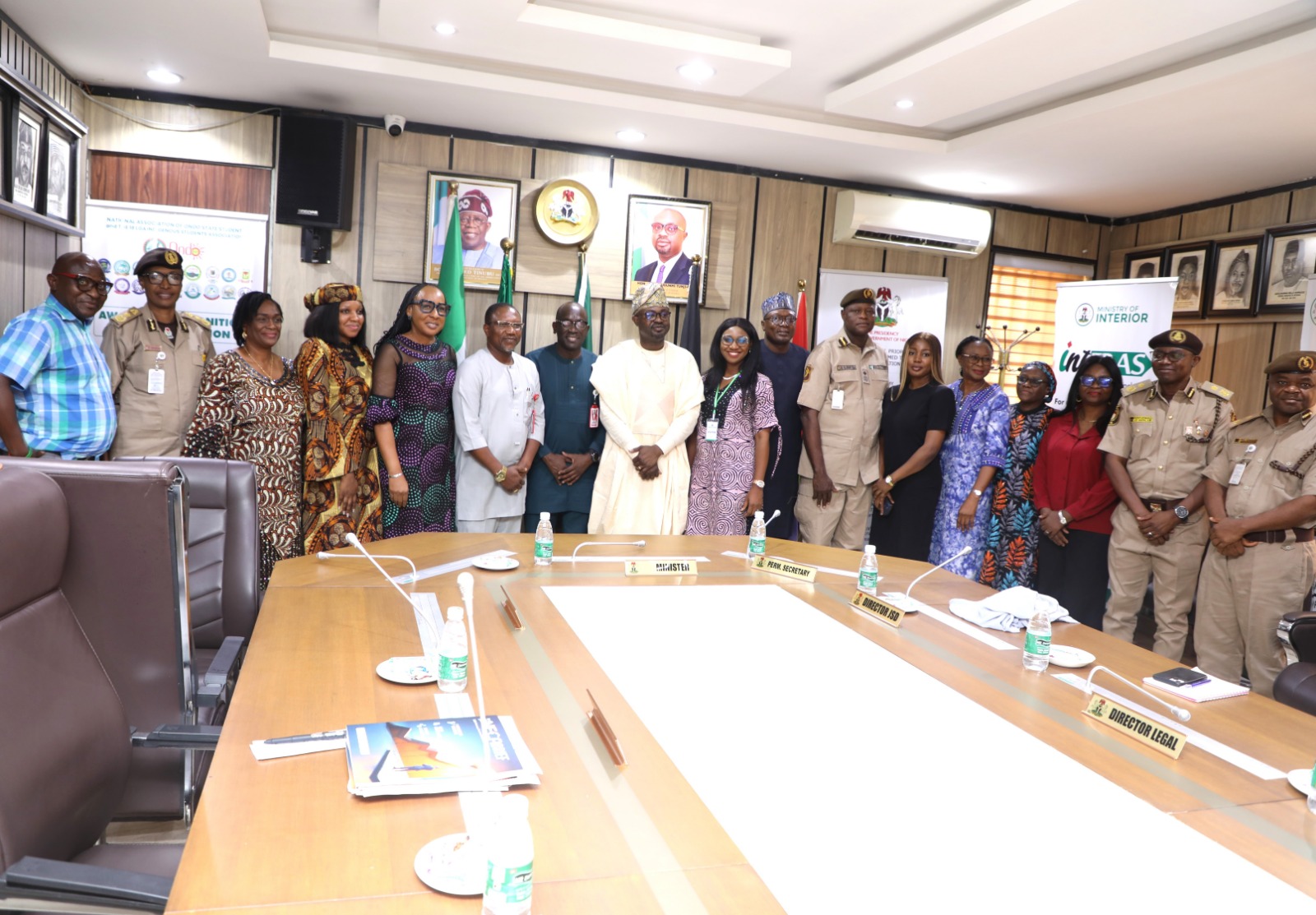
In a press release issued on Friday, 13 February 2026, by Mrs. Mary Ali, Head, Press and Public Relations at the Federal Ministry of Interior, the position was articulated by the Honourable Minister of Interior, Olubunmi Tunji-Ojo, during a courtesy visit by the Director-General of the Nigeria Employers’ Consultative Association (NECA), Adewale-Smatt Oyerinde, to the Ministry.
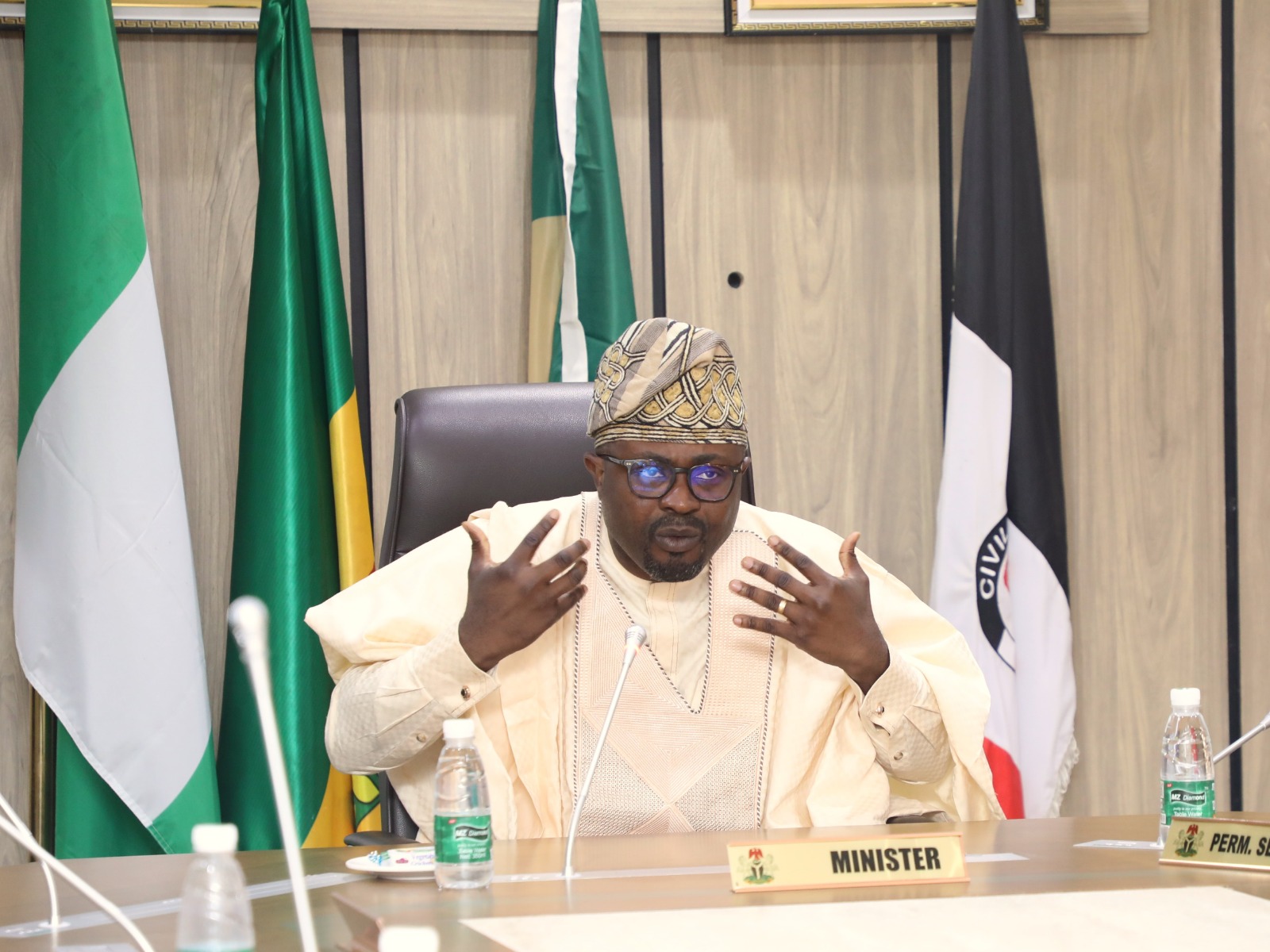
Speaking at the meeting, the Minister stressed that businesses remain indispensable to Nigeria’s economic stability, noting their role in employment creation, revenue generation, and capital formation. According to him, the responsibility of government is to provide efficient systems that allow enterprises to thrive and continue powering the economy.
Dr. Tunji-Ojo explained that reforms within the Ministry are built on stakeholder engagement rather than unilateral policymaking. He noted that decisions emerging from consultations are jointly owned outcomes, reflecting collective input rather than government directives alone.
He further disclosed that sustained collaboration with NECA has contributed to reforms across immigration services, border management, and regulatory processes. The Minister highlighted improvements recorded under the leadership of the Nigeria Immigration Service, stressing that effective border control remains critical to safeguarding Nigeria’s territorial integrity and national security.
Addressing expatriate quota administration, Dr. Tunji-Ojo revealed that prior to ongoing reforms, more than 60 percent of certain quotas were fraudulent due to weak system integration among relevant agencies. He said the introduction of a digital framework now enables companies to independently track quota approvals and applications, significantly improving transparency and accountability.
According to the Minister, the new system has eliminated the need for physical visits to Abuja or personal connections within government to conduct legitimate business, making immigration-related processes more open and efficient.
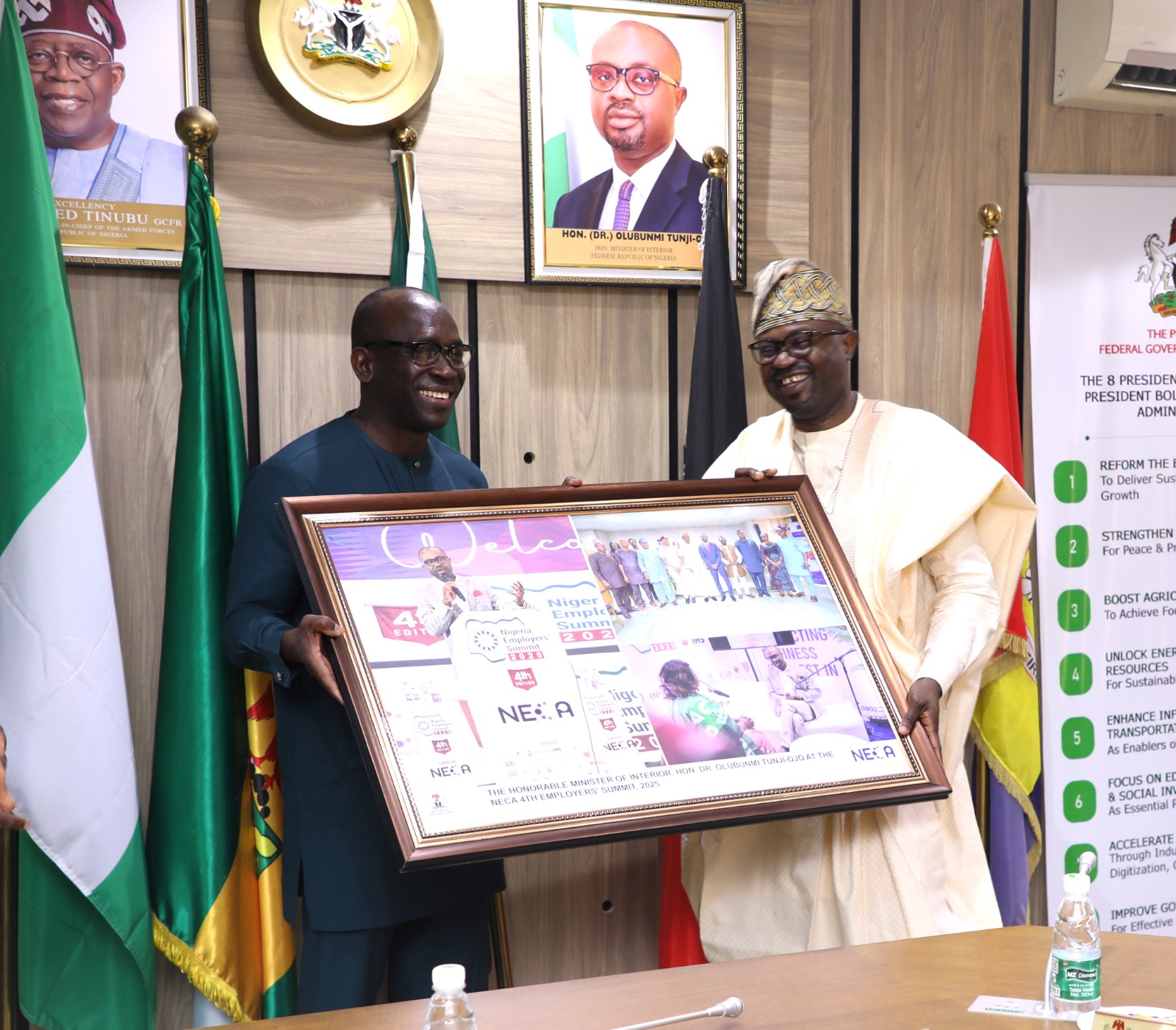
He noted that the reforms have strengthened investor confidence, improved Nigeria’s business climate, and reduced capital leakages. The Minister concluded by appreciating NECA’s continued support and assured that stakeholder proposals and concerns will remain a priority for the Ministry of Interior and the Nigeria Immigration Service.
