

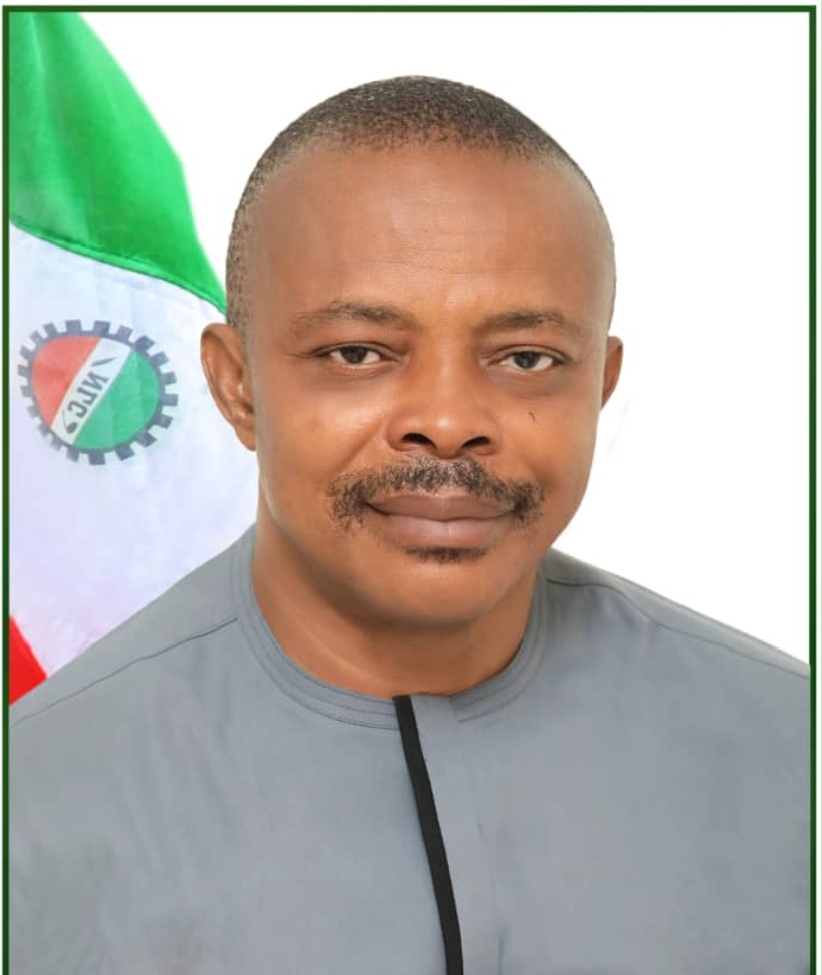
By Joy Onu
NLC Accuses FG of Marginalising Workers in Tax Reforms, Demands Urgent Wage Review the Nigeria Labour Congress (NLC) has condemned the process that produced the new tax laws, accusing the Federal Government of deliberately excluding workers from both the formulation and implementation stages of the reforms.
NLC President, Comrade Joe Ajaero, made the position known on Wednesday in Abuja at the 85th birthday celebration and book presentation in honour of former labour leader, Comrade Hassan Sunmonu. The book, titled Organise, Don’t Agonise, formed the backdrop for Ajaero’s broader critique of government policies affecting Nigerian workers.
According to the labour leader, policies developed without the participation of those most affected are bound to fail. He argued that government’s refusal to engage organised labour meaningfully has contributed to the economic strain currently faced by workers and the wider population.
Ajaero disclosed that labour had raised concerns about several provisions within the tax framework during its early stages but said those warnings were disregarded. He insisted that any tax system that increases pressure on low-income earners and the poor cannot be described as fair or progressive.
He further criticised the exclusion of workers from the Presidential Committee on Tax and other critical stages of the legislative process, describing the development as a deliberate attempt to weaken the voice of the masses in decisions that directly affect them.
The NLC president called on the Federal Government to halt further implementation of the controversial aspects of the tax laws and initiate a transparent review process that accommodates the interests of ordinary Nigerians. He also demanded the immediate constitution of the board of the National Pension Commission (PENCOM), noting that unresolved governance gaps continue to undermine public confidence.
Ajaero warned that the current confusion surrounding the interpretation and application of the tax laws poses a serious threat to effective tax administration and democratic accountability.
Beyond taxation, the labour leader urged the Federal Government to demonstrate genuine commitment to workers’ welfare by urgently addressing wage issues. He stressed that the government must not wait until the 2027 statutory minimum wage negotiation before taking steps to improve the economic conditions of Nigerian workers.
He concluded by calling for a new approach to governance — one anchored on dialogue, inclusion, and partnership with organised labour rather than policies imposed without consultation.
