

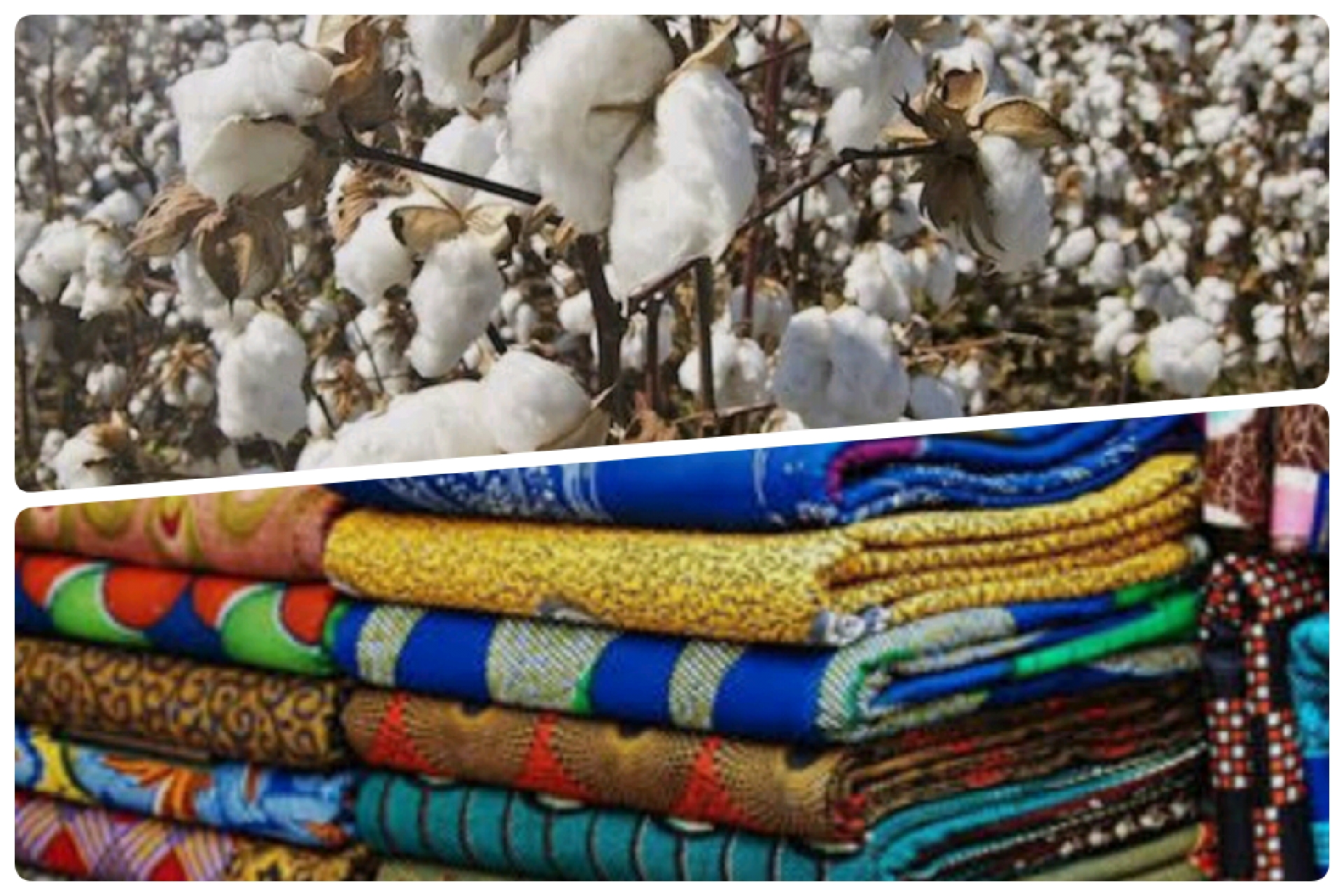
FG Launches Industrial Parks to Revive Cotton Farming, Boost Jobs and Textile Production Across Nigeria
By Joy Onu
Nigeria’s long-dormant cotton and textile industry may be on the path to revival as the Federal Government rolls out a new strategy aimed at reconnecting cotton farming with textile manufacturing and garment production through integrated industrial parks.
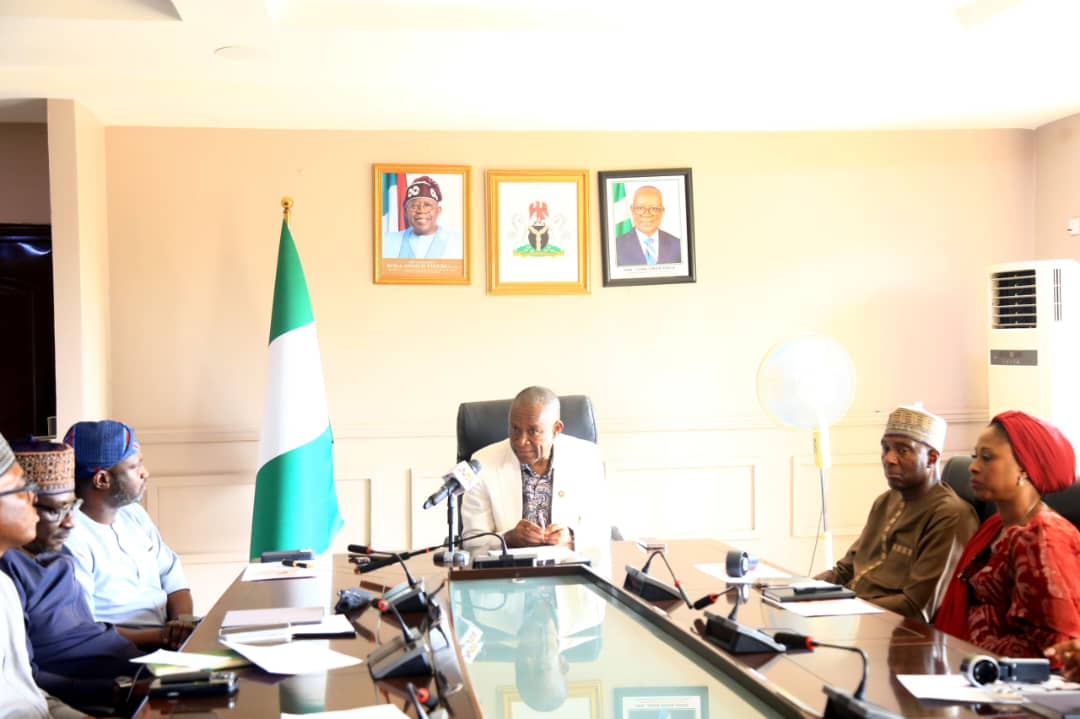
The initiative was unveiled during a high-level stakeholders’ meeting held in Abuja, where the Minister of State for Industry, John Owan Enoh, outlined a comprehensive plan to rebuild the Cotton, Textile and Garment (CTG) value chain from cotton cultivation in rural communities to large-scale textile production and garment manufacturing for local consumption and export.
The meeting brought together key financial institutions and development partners, including the Managing Director of the Bank of Industry, Dapo Olusi; the Managing Director of the Nigerian Export-Import Bank, Abba Bello; and the Regional Director of the United Nations Industrial Development Organization, Philbert Johnson, alongside other public and private sector stakeholders.
Discussions at the meeting centred on the creation of integrated industrial parks that would cluster various stages of the CTG production process from cotton farming and ginning to textile processing and garment production within the same industrial ecosystem. The approach, according to stakeholders, is expected to improve efficiency, reduce production costs and strengthen local manufacturing capacity.
Industry observers say the renewed push could also revive cotton cultivation across several farming communities where production declined significantly following the collapse of many Nigerian textile factories over the years.
Speaking during the meeting, Enoh said the revitalisation of the cotton, textile and garment sector remains a key component of the government’s broader industrialisation strategy.
According to him, rebuilding the sector will not only strengthen Nigeria’s manufacturing base but also create new opportunities for farmers, entrepreneurs and workers across the value chain.
The minister disclosed that the government is currently developing a comprehensive policy framework to guide the sector’s revival, which will soon be presented to stakeholders for validation.
Financial institutions at the meeting emphasised the importance of long-term investment and financing structures to support the transformation of the industry.
Olusi noted that rebuilding the textile and garment sector would require sustained financial support capable of attracting investors and modernising production facilities.
Stakeholders also examined the possibility of adopting a “brownfield approach,” which focuses on rehabilitating and upgrading existing industrial facilities rather than constructing entirely new ones. The strategy, experts say, could accelerate the revival of the sector while reducing the cost of infrastructure development.
Also speaking at the meeting, Bello highlighted the international trade opportunities tied to a revitalised textile industry, noting that strengthening the CTG value chain could position Nigeria as a competitive exporter of textile products within Africa and beyond.
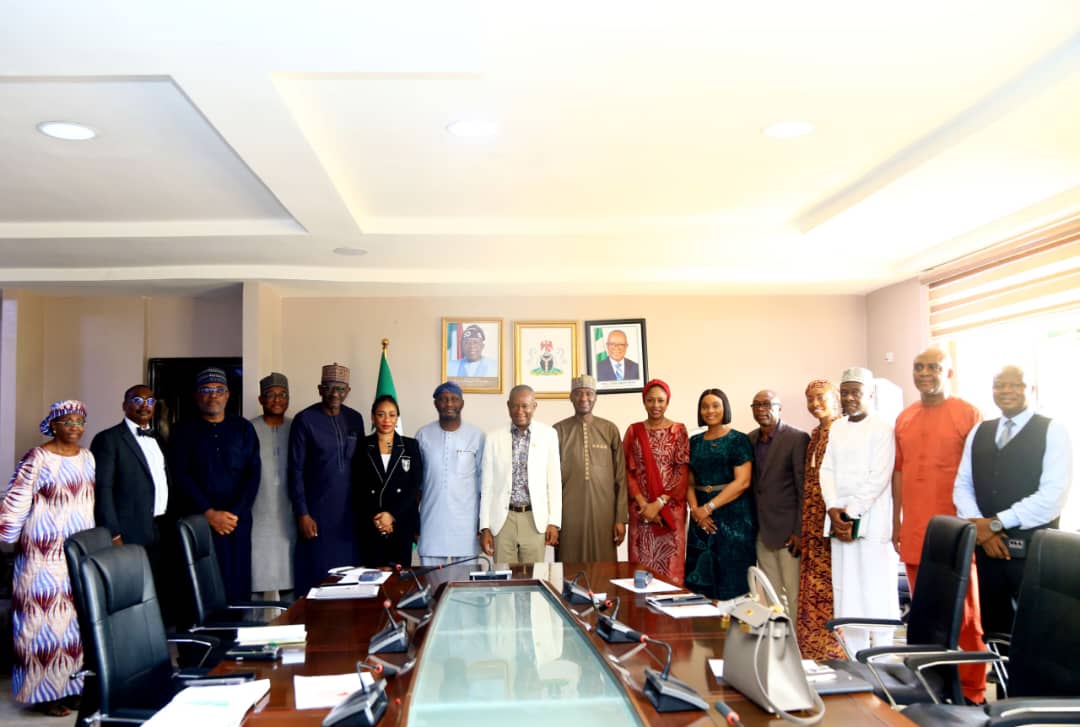
Development partners at the meeting expressed support for the government’s plan, with Johnson reaffirming UNIDO’s commitment to initiatives that promote sustainable industrial development and inclusive economic growth.
At the end of the meeting, stakeholders agreed to establish a collaborative working group comprising government agencies, development finance institutions and private sector representatives to develop implementation strategies, coordinate financing mechanisms and guide the next phase of the initiative.
The initiative is expected to generate thousands of jobs, revive cotton farming in rural communities, reduce Nigeria’s reliance on imported textiles and strengthen the country’s industrial base.
