

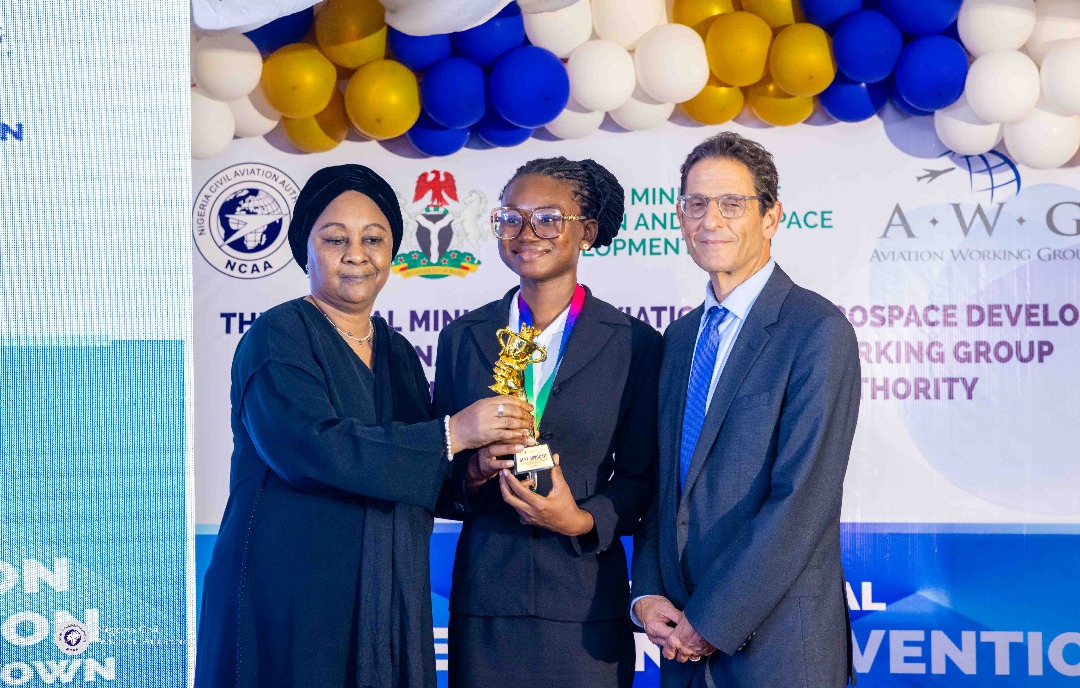
Najomo says Nigeria now enjoys global confidence under the Cape Town Convention.
The Director General of the Nigeria Civil Aviation Authority (NCAA), Captain Chris Najomo, has called for greater support from the judiciary to enhance understanding of the laws governing contractual dealings in the nation’s aviation industry, particularly those under the Cape Town Convention (CTC).
The CTC, which consists of the Cape Town Convention on International Interests in Mobile Equipment 2001 and its Protocol on Matters Specific to Aircraft Equipment, regulates international aircraft financing and leasing agreements.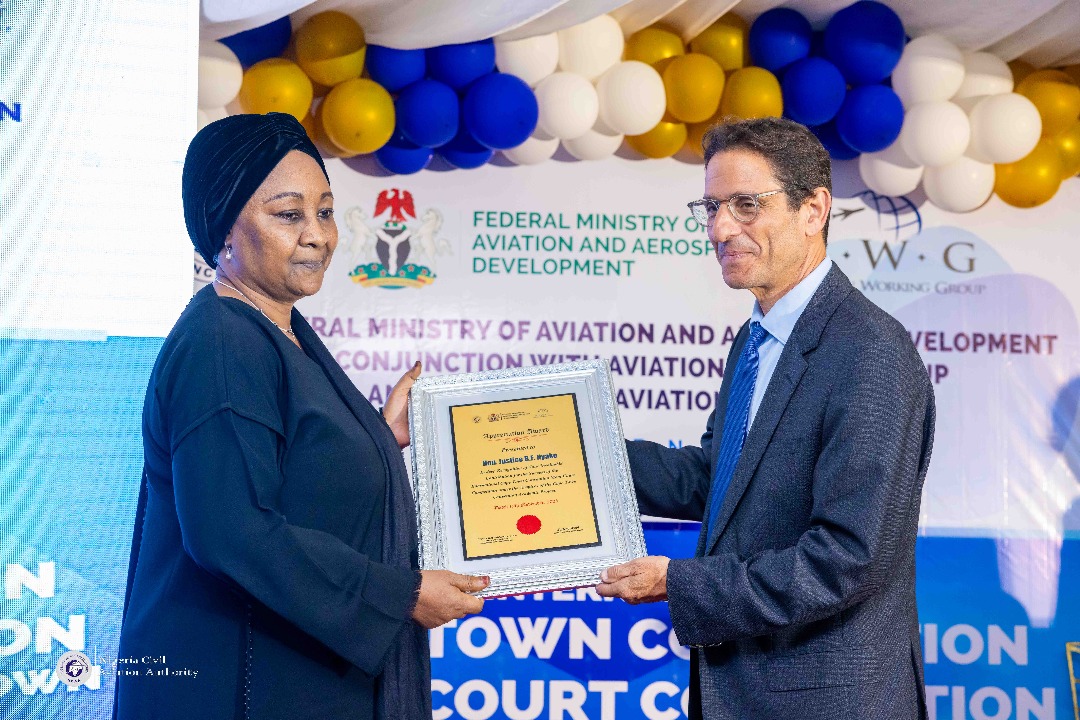
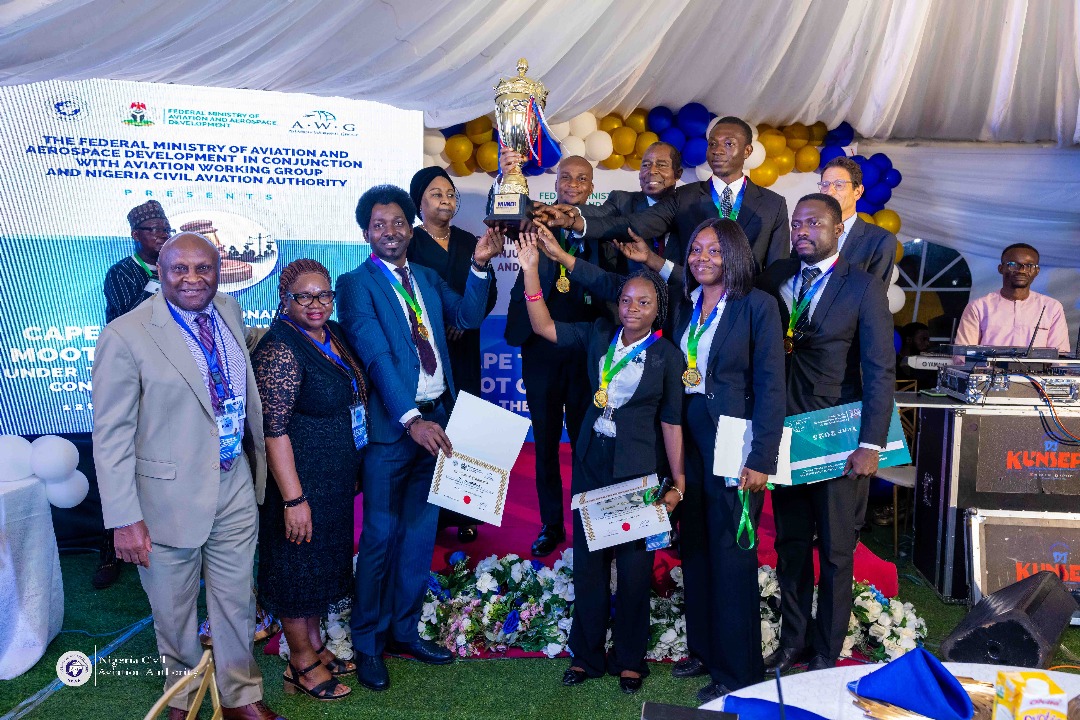
Najomo made the appeal at the grand finale of the International CTC Moot Court held on Wednesday evening at the Federal High Court, Abuja, under the auspices of the CTC Academic Project.
Represented by the NCAA Director of Operations, Licensing and Training, Captain Donald Tonye Spiff, the DG said the Convention has improved Nigeria’s image among aircraft lessors and bolstered confidence in its aviation business environment.
He explained that the programme aims to deepen the understanding of students, academics, and judges through simulated judicial exercises based on complex hypothetical cases involving the CTC.
According to him, before Nigeria adopted the Convention, many aircraft manufacturers and leasing companies were hesitant to conduct business with the country. However, the situation has changed with the Convention now in full force.
“Through the efforts of the Honourable Minister of Aviation and Aerospace Development, Mr. Festus Keyamo (SAN), we are now in the good books of these organisations. This is an enlightenment programme to tell the world that we have arrived and are ready to do business,” Najomo stated.
The NCAA boss commended participating students for their outstanding performance, describing their brilliance and commitment as a reflection of Nigeria’s growing intellectual strength across sectors.
The Secretary-General of the Aviation Working Group (AWG) and Co-Director of the CTC Academic Project, Jeffrey Wool, expressed delight over Nigeria’s hosting of its first international CTC moot court. He said the initiative was an important step toward familiarising the country’s legal system with the treaty.
Wool emphasized that the CTC, ratified by Nigeria, is a vital international treaty with major economic implications. He noted that the Federal High Court had recently issued a practice direction to guide the handling of CTC-related cases.
The event featured a simulated court session between law students from the University of Benin and the University of Lagos, argued before a three-member panel of Federal High Court judges comprising Justices Binta Nyako (who presided), Joyce Abdulmalik, and James Omotosho.
Eighteen universities drawn from the six geopolitical zones of the country participated in the preliminary rounds, with the University of Benin and the University of Lagos emerging as the top two teams for the final competition held on November 12.
