

By Joy Onu
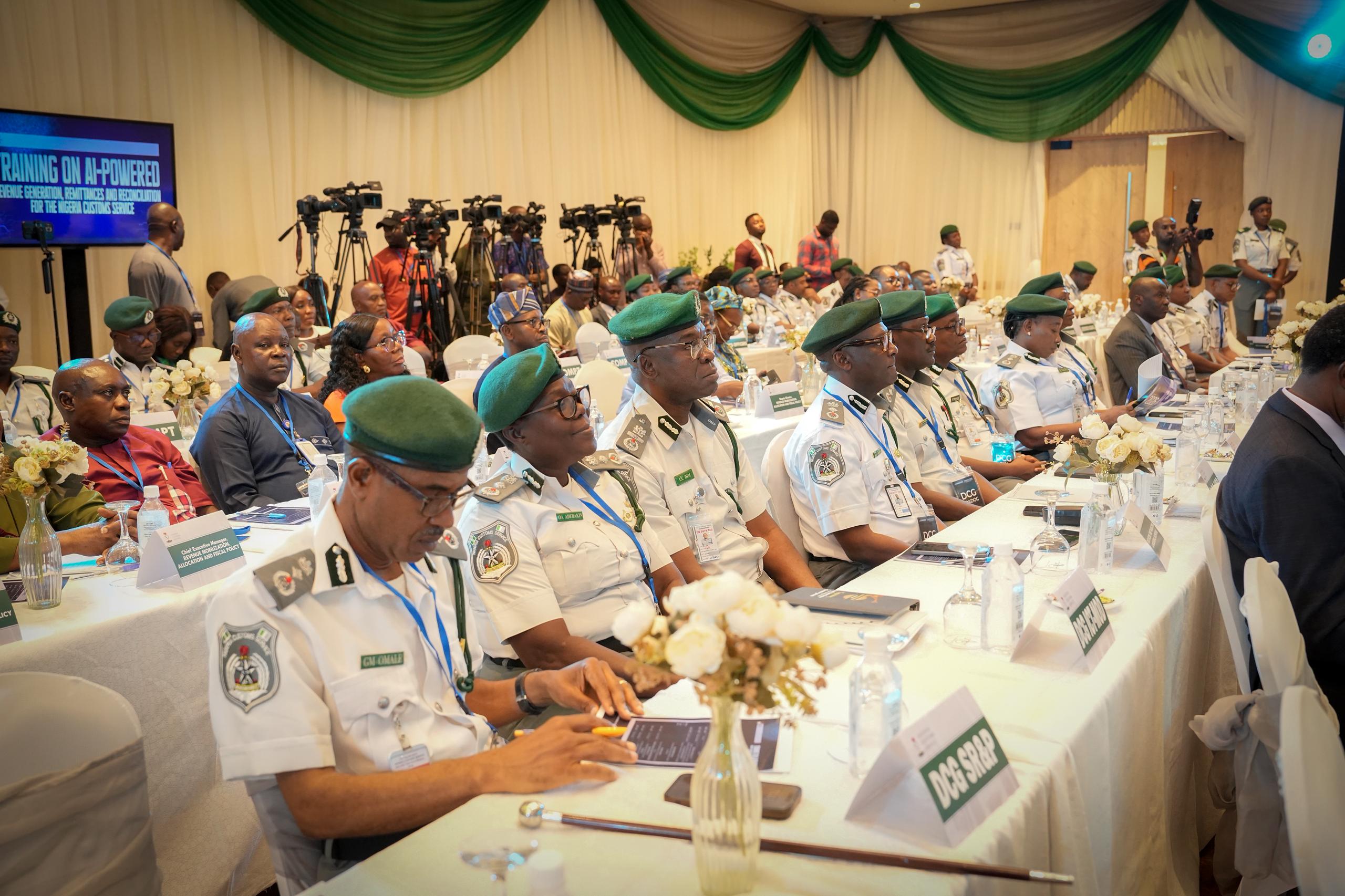
Nigeria’s push to modernise its public revenue architecture advanced on Monday as the Nigeria Customs Service (NCS) commenced a training programme in Abuja focused on deploying Artificial Intelligence (AI) in revenue generation, remittances, and financial reconciliation.
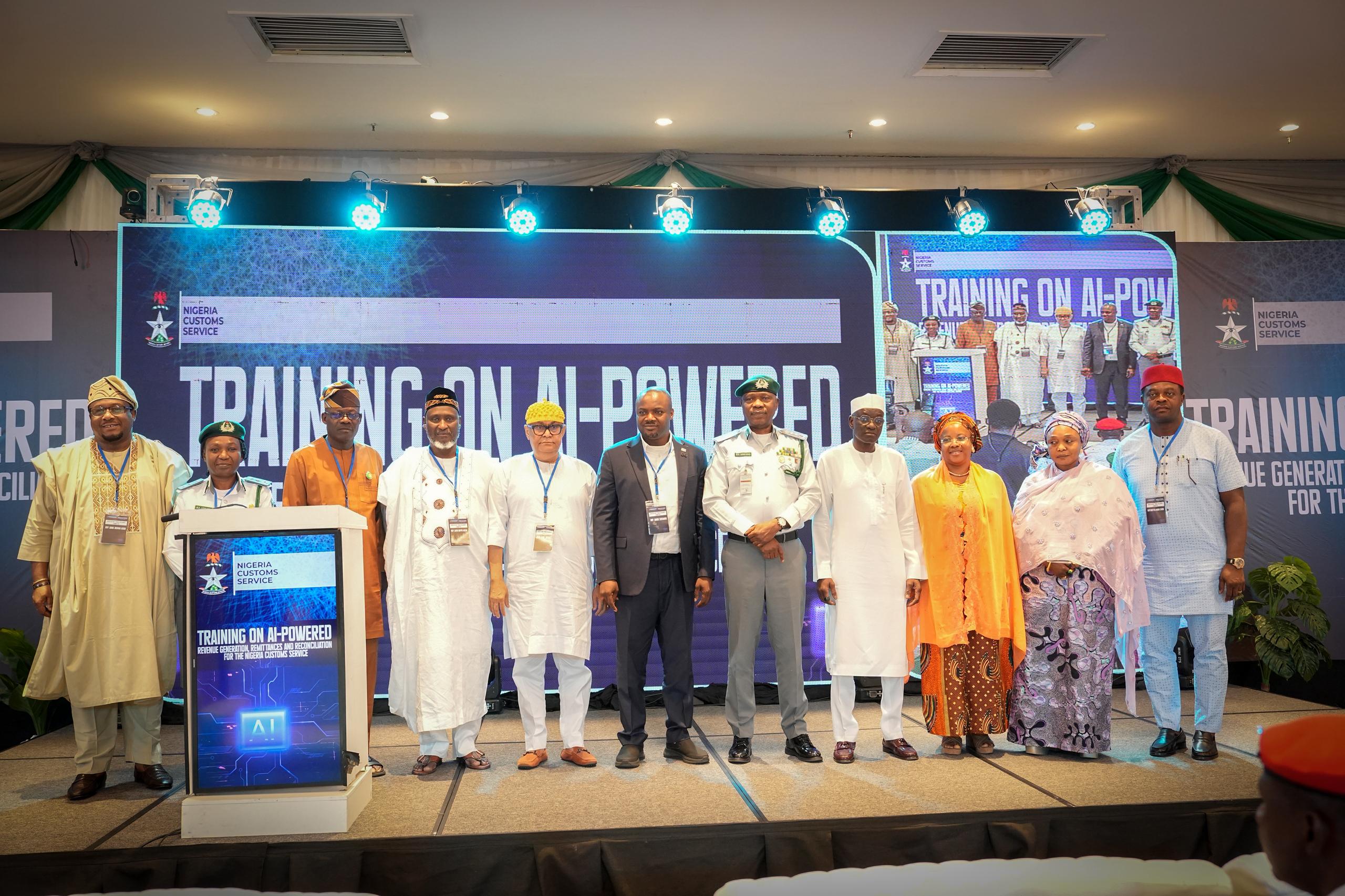
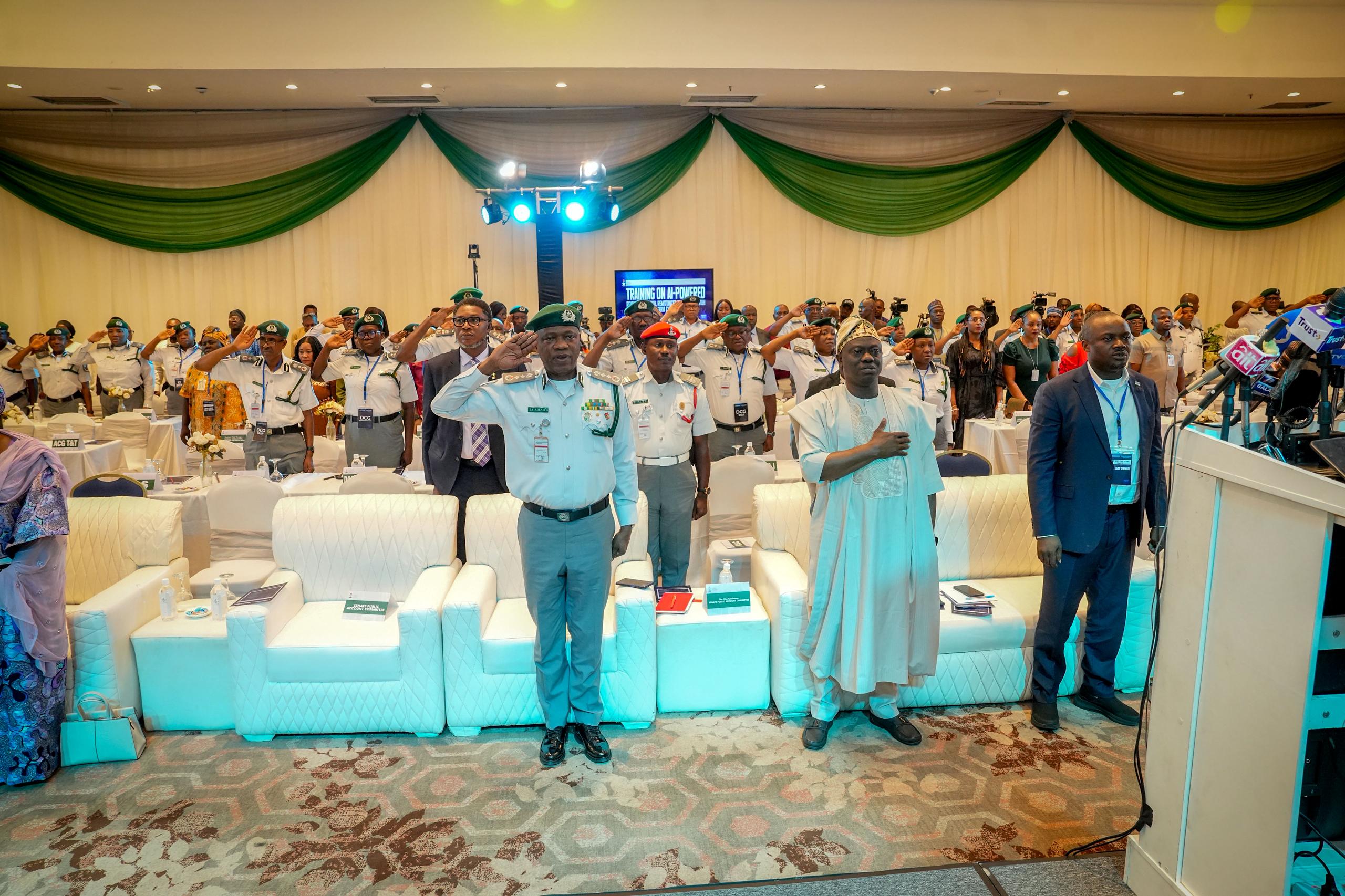
 The capacity-building session, held at the Ladi Kwali Hall of the Abuja Continental Hotel, brought together senior Customs officers, technology experts, and members of the National Assembly’s Public Accounts Committees.
The initiative reflects ongoing reforms within the Service aimed at strengthening transparency, improving accountability, and enhancing efficiency in revenue administration through digital innovation.
At the core of the reform drive, the Customs Service is seeking to reposition its operations using data-driven technologies designed to improve trade monitoring and reduce leakages in public finance management.
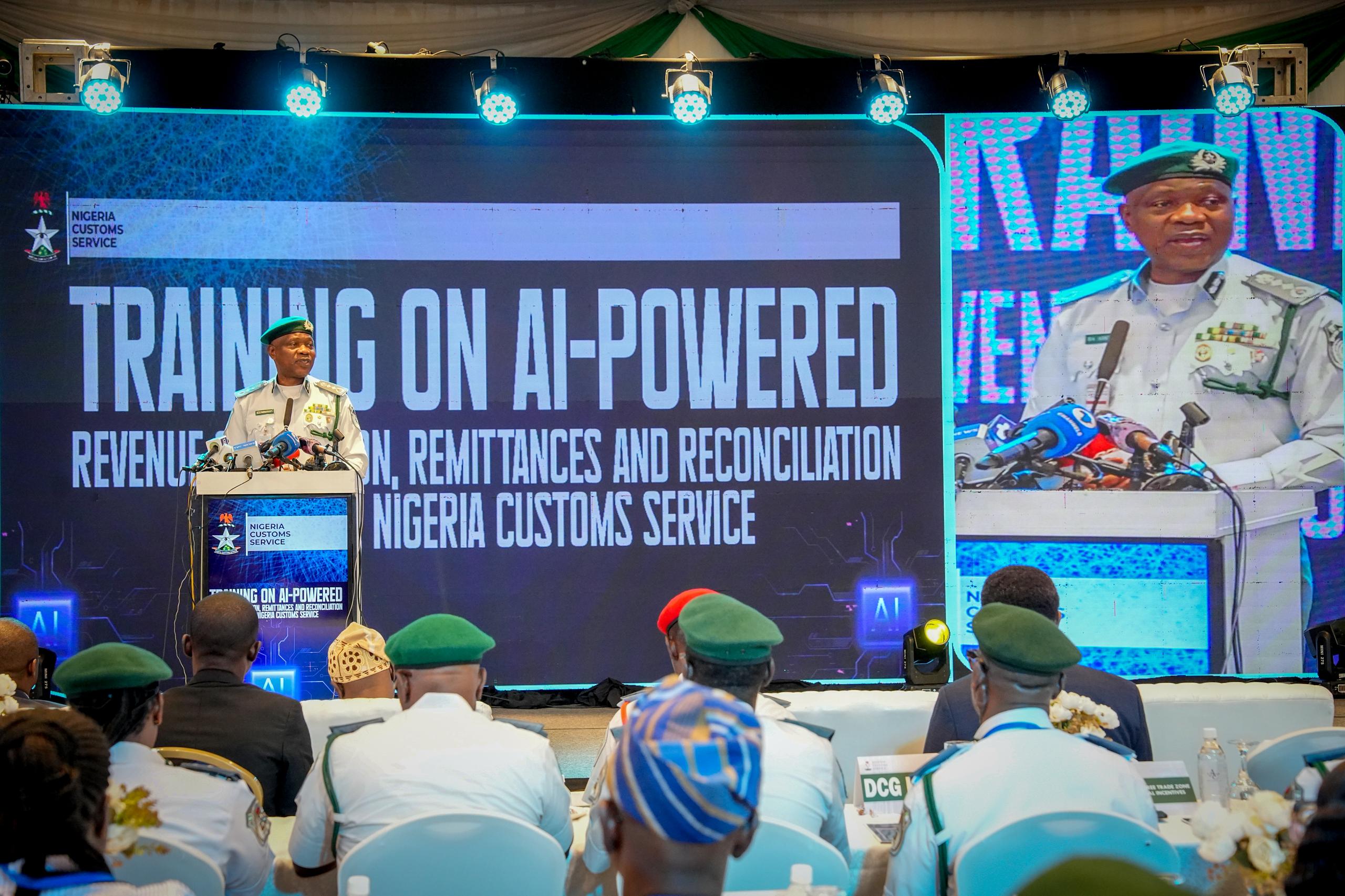
Comptroller-General of Customs, Adewale Adeniyi, said the Service is deliberately embracing technology to deepen transparency and strengthen its capacity to respond to changing global trade dynamics, noting that AI has become central to modern customs administration and revenue optimisation.
 He urged officers to fully engage with the training, stressing that the impact of the initiative would depend on how effectively knowledge gained is applied across operational commands.
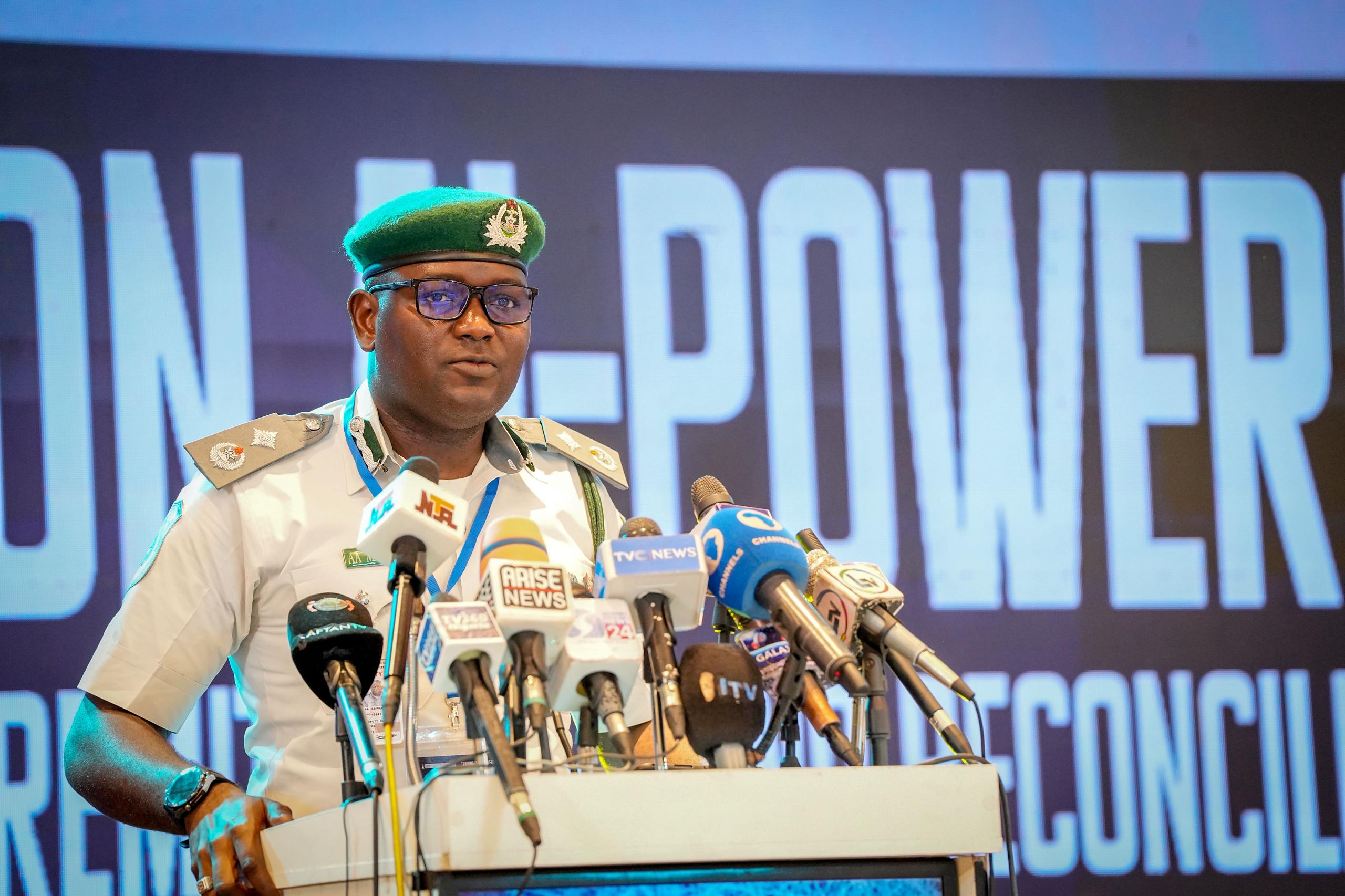
The Deputy Comptroller-General in charge of Finance, Administration and Technical Services, Kikelomo Adeola, described the programme as a strategic response to gaps in revenue tracking and reconciliation processes within the system.
She said the adoption of AI tools would enhance detection of irregularities, improve financial reconciliation, and strengthen safeguards for public funds, while also underscoring the importance of collaboration with the legislature in sustaining reforms.
Chairman of the House Public Accounts Committee, Bamidele Salam, commended the initiative, noting that technology adoption remains essential to strengthening governance and public accountability structures in Nigeria.
Also speaking, Chairman of the Senate Public Accounts Committee, Ahmed Aliyu, called for sustained collaboration among stakeholders, stressing that lasting reform depends on effective implementation and institutional capacity rather than policy announcements alone.
