

By Joy Onu
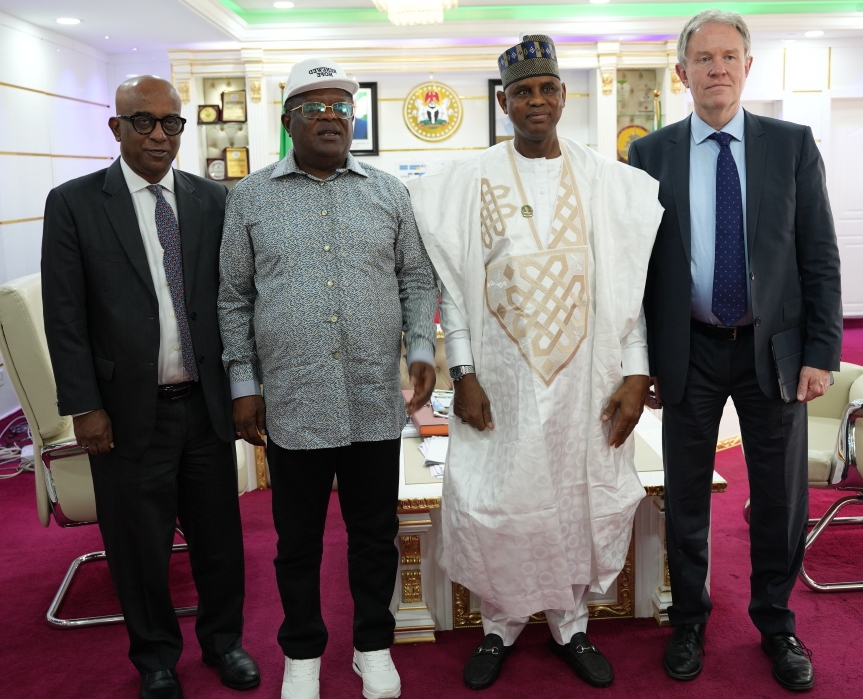
The Honourable Minister of Works, Sen. (Engr.) David Umahi, CON, FNSE, FNATE, on Friday, January 23, 2026, welcomed a high-level delegation from the World Bank to his office for discussions on strengthening Nigeria’s infrastructure, with a particular focus on the road sector.
Sen. Umahi welcomed the World Bank delegation and acknowledged their continued interest in Nigerian development projects. He emphasized that robust infrastructure is critical for national growth, trade, and social development, and described efficient road networks as a cornerstone for Nigeria’s ambitions in global economic competitiveness.
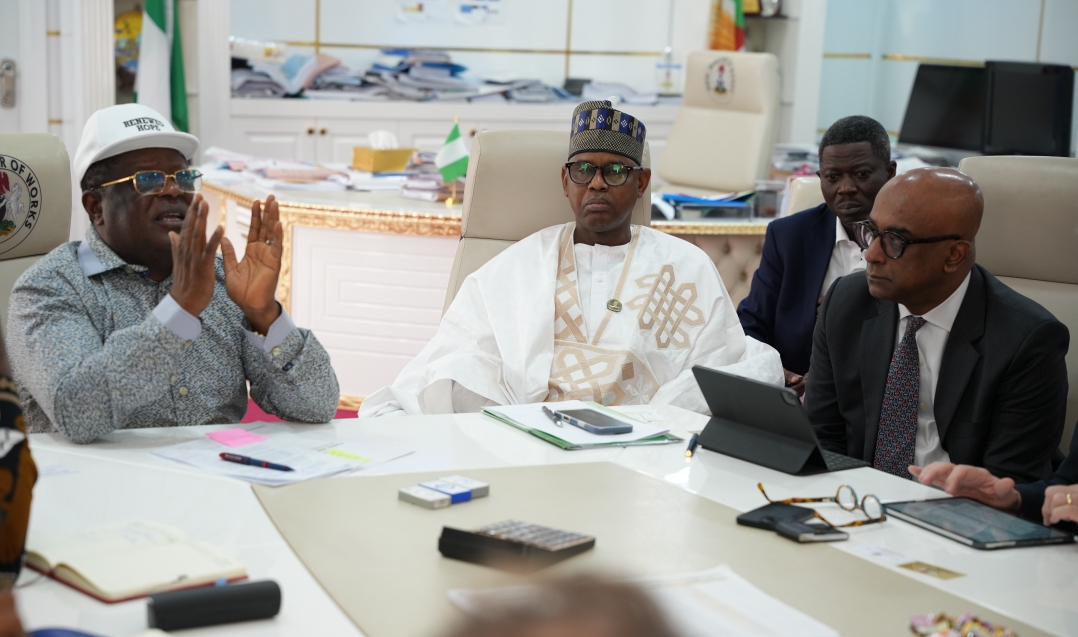
During the session, the Minister briefed the delegation on the Federal Government’s Development Management Initiative, as well as the “Build, Update and Maintain” strategy. Under this framework, the government assumes responsibility for constructing roads, while the private sector is tasked with their maintenance. According to Sen. Umahi, the model is designed to enhance sustainability, ensure value for money, and improve efficiency in the delivery of road infrastructure.
The Minister highlighted key challenges in the road sector, including the rising cost of construction and limited funding, issues exacerbated by the removal of fuel subsidies and the floating of the naira. He noted that traditional asphalt roads often fail within ten years, a reality that informed the Ministry’s decision to adopt reinforced concrete pavement as a more durable alternative.
Sen. Umahi also identified priority projects currently under the Ministry’s oversight. These include the East–West Ro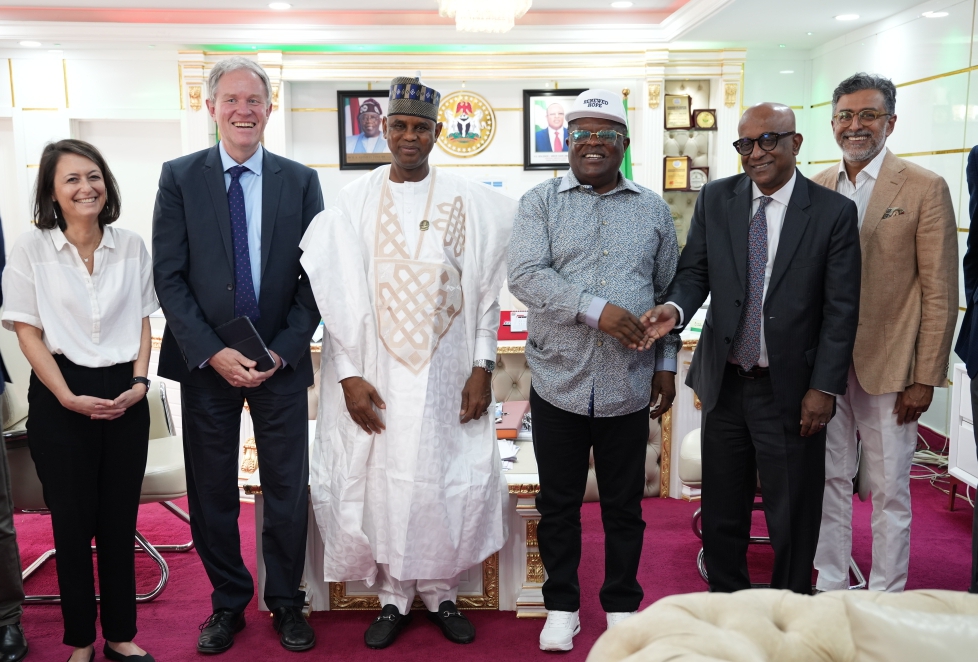 ad, spanning eight sections; the Enugu–Onitsha Road Project; the Kano–Jigawa–Maiduguri Road Corridor; and the Lagos–Ibadan Expressway. He revealed that upon assuming office, the Ministry inherited about 260 weak road links, 50 dilapidated bridges, and multiple failed road sections nationwide. To address these urgent challenges, President Bola Ahmed Tinubu, GCFR, approved ₦20 billion for the completion of priority projects, many of which are now being commissioned across the country.
On the approach to infrastructure delivery, the Minister explained that long-term planning is currently constrained, making it necessary to focus on short-term interventions aimed at completing major ongoing projects. He stressed that funding remains a critical barrier and that new projects cannot be initiated until existing ones are completed.
Consequently, he formally requested the World Bank to consider financing strategic road infrastructure projects through the Ministry via the Presidency, with tolling mechanisms introduced to ensure sustainability and repayment.
Representing the World Bank, Mr. Matthew Verghis said the visit aimed to explore practical solutions to enhance Nigerian road infrastructure, which he described as the country’s most important physical asset. Another delegate, Mr. Franz Drees-Gross, emphasized that infrastructure development is central to poverty reduction, generating employment directly and indirectly across the economy. He highlighted areas of priority, including the establishment of State Road Funds, State Road Maintenance Agencies, effective flood control through proper drainage systems, and increased private sector participation.
Mr. Verghis added that World Bank financing would be limited to projects that comply with the Bank’s procurement standards, stressing the importance of transparency, accountability, and adherence to due process. The meeting ended on a positive note, with both parties reaffirming their commitment to collaborative efforts aimed at developing sustainable, resilient, and inclusive infrastructure in Nigeria.
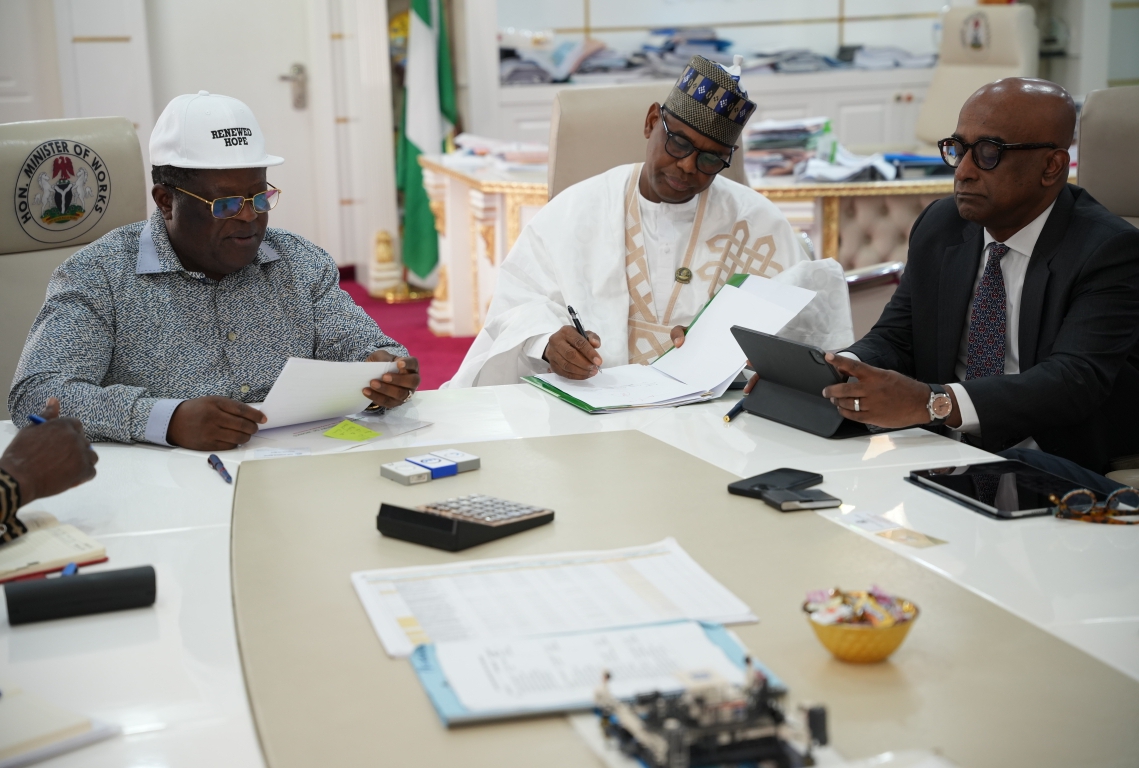
Barr. Mohammed A. Goronyo, Esq., Honourable Minister of State for Works, delivered the vote of thanks, appreciating the delegation’s visit and reiterating the Ministry’s readiness to work closely with the Bank to achieve shared development goals.
