

The Independent National Electoral Commission has urged journalists, broadcasters and online publishers to exercise restraint and accuracy in their election coverage as preparations intensify for the Ekiti State governorship election scheduled for June 20, 2026.
The Commission raised concerns over the increasing circulation of unverified reports, doctored visuals and premature election outcomes, warning that such practices could distort public perception and undermine confidence in the electoral process.
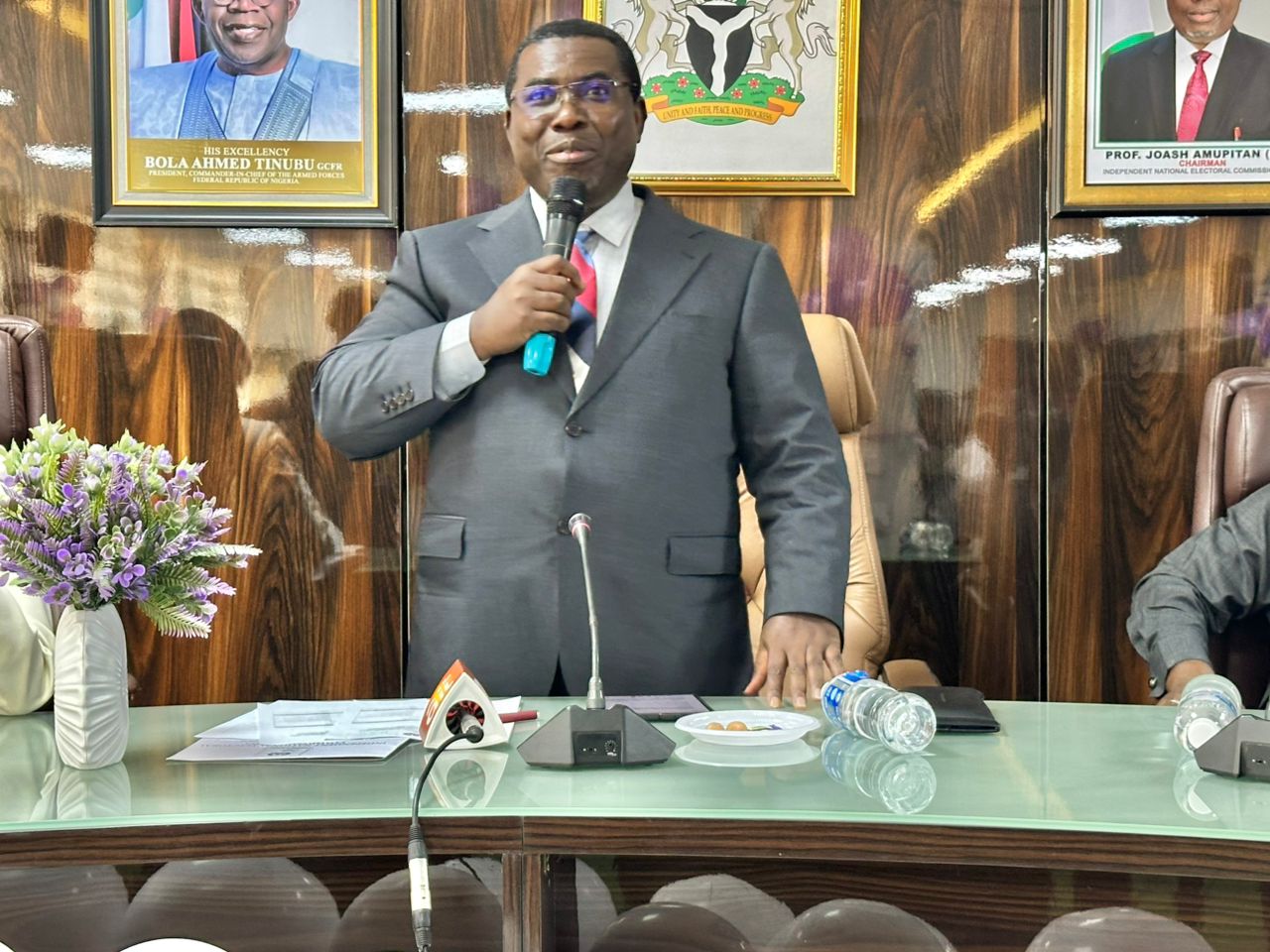
This caution was delivered during a media engagement organised in Ado-Ekiti on Tuesday, where electoral officials met with media professionals to strengthen collaboration ahead of the polls.
Speaking through the National Commissioner in charge of the Information and Voter Education Committee, Mohammed Kudu Haruna, the Ekiti State Resident Electoral Commissioner, Bunmi Omoseyindemi, stressed that the media remains central to safeguarding electoral credibility.
He explained that the Commission was particularly worried about the speed at which unverified content spreads on digital platforms, noting that misinformation could easily inflame tension among voters if not checked.
According to him, journalists must prioritize verification from official sources before dissemination, adding that accuracy should never be compromised in the race to break news.
He further warned that premature announcement of results or reliance on unconfirmed polling data could create confusion, suppress voter turnout and threaten peaceful participation in the electoral process.
Omoseyindemi disclosed that preparations for the election had reached an advanced stage, with logistics, personnel deployment and technological arrangements largely concluded across the state.
He also revealed that accreditation for journalists wishing to cover the election was ongoing, with hundreds of media personnel expected to be deployed across polling units once registration closes on June 7, 2026.
The Commission confirmed that electoral activities will span 16 local government areas, 117 wards and 2,445 polling units, while 13 political parties are set to contest the governorship race.
In addition, officials assured that technological tools such as the Bimodal Voter Accreditation System (BVAS) and the INEC Result Viewing Portal (IReV) would be deployed to enhance transparency and credibility during voting and result transmission.
Reinforcing the warning, the Chief Press Secretary to the INEC Chairman, Adedayo Oketola, cautioned against sensational reporting, saying misinformation poses a greater threat to elections than physical disruption.
Similarly, the Director of Voter Education and Publicity, Victoria Eta-Messi, noted that the engagement was designed to improve synergy between the Commission and the media by providing clear guidance on electoral procedures and responsibilities.
Also speaking, the Chairman of the Nigeria Union of Journalists, Kayode Babatuyi, reaffirmed the union’s commitment to ethical reporting, adding that measures have been introduced to discourage fake news and promote professionalism among journalists.
The forum ended with technical briefings on election operations, legal frameworks and the deployment of electoral technologies, as stakeholders pledged stronger collaboration to ensure a credible and peaceful poll.
