


By Victoria Attah, ABUJA
The Federal Government has stepped up efforts to strengthen Nigeria’s medicine security and expand access to advanced therapies, as it deepens collaboration with international partners on cutting-edge biomedical research, including CAR-T cell therapy and gene-based treatments.
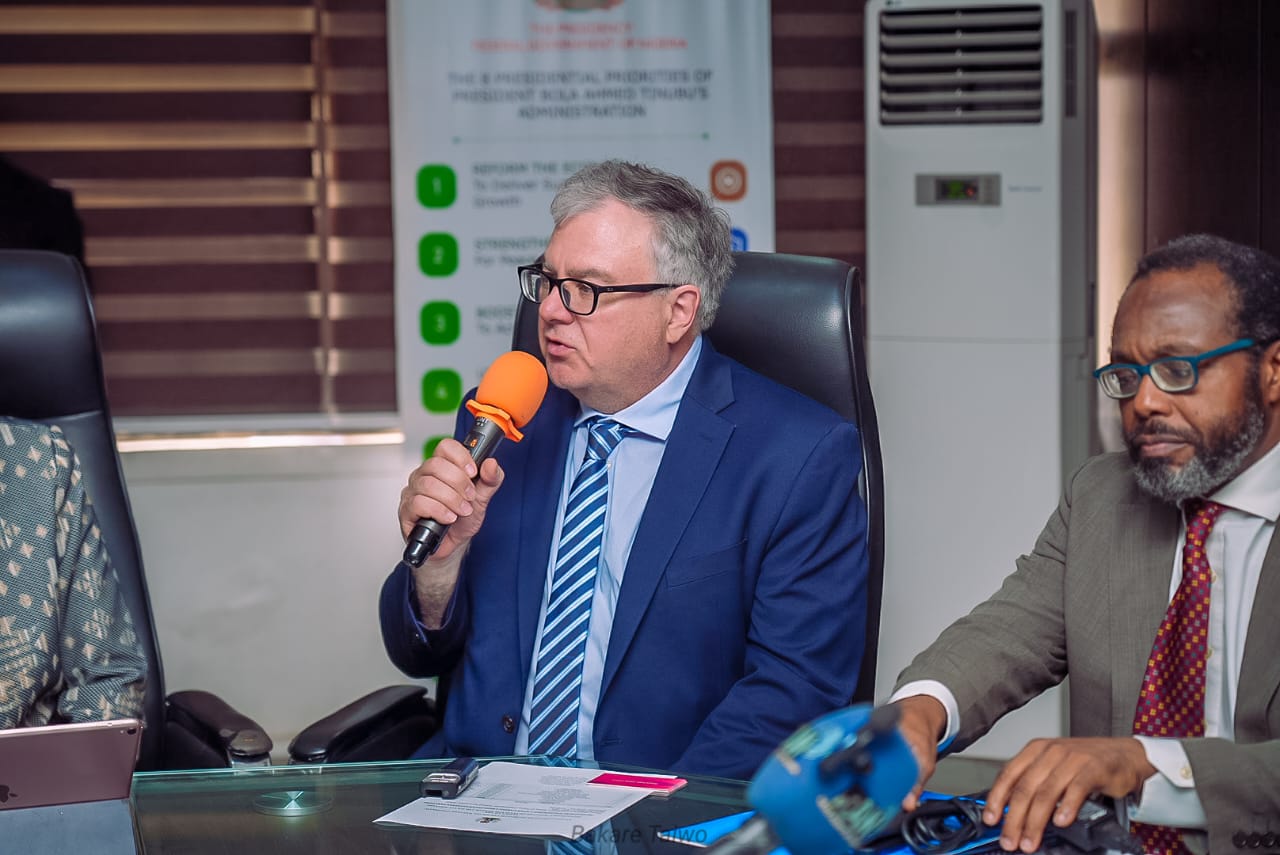
Speaking in Abuja during a high-level ministerial engagement with a United States-based non-profit, Caring Cross, and other international stakeholders, the Minister of State for Health and Social Welfare, Dr. Iziaq Adekunle Salako, said the Tinubu administration is prioritising scientific innovation as a pathway to improved healthcare delivery and national development.

Dr. Salako noted that recent policy interventions such as the Presidential Initiative for Unlocking the Healthcare Value Chain (PVAC) and the Pharma Sector Presidential Order were already reshaping Nigeria’s health landscape by encouraging research-driven reforms, boosting local production capacity, and attracting investment into the sector.
According to him, the administration is deliberately building a collaborative ecosystem that brings together government, academia, industry, and development partners to accelerate innovation and improve health outcomes.
“These skills are indispensable if we are to deliver locally relevant solutions, strengthen medicine security, and build resilient health systems across Africa,” he said, stressing the need for stronger global partnerships in advanced medical research.
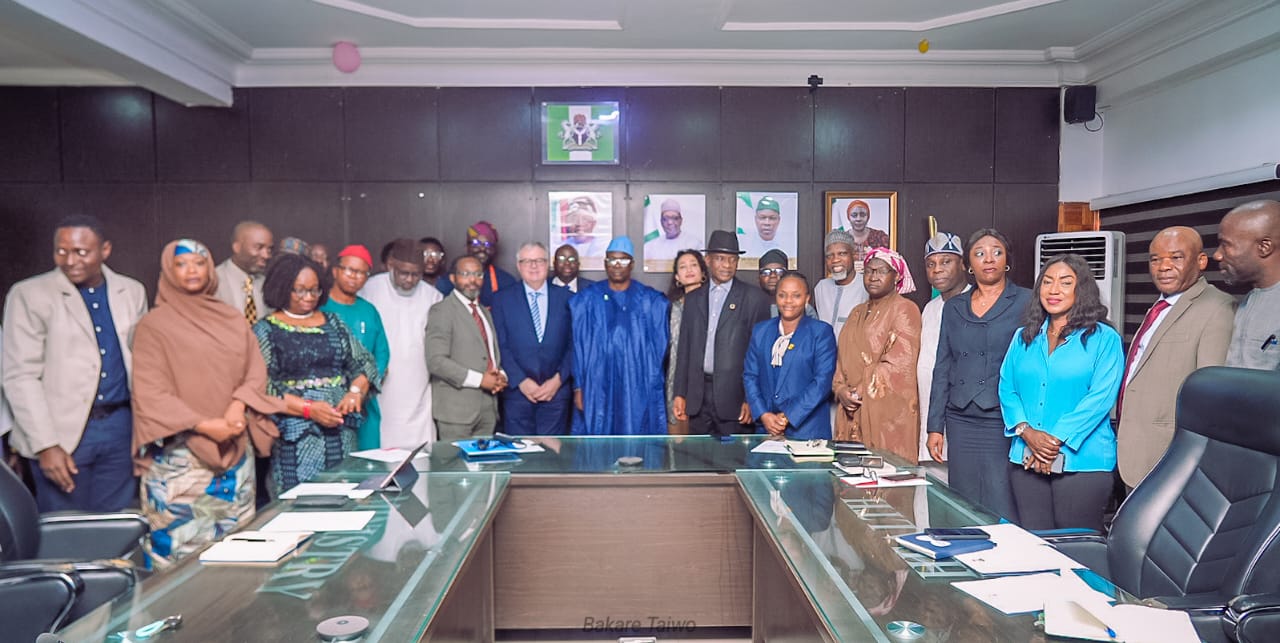
The meeting, which brought together key stakeholders including the Director General of the National Institute for Pharmaceutical Research and Development (NIPRD), Dr. Obi Adigwe, also focused on expanding Nigeria’s capacity in CAR-T cell therapy, a frontier in cancer treatment.
Dr. Salako described the engagement as a turning point in Nigeria’s medical innovation journey, noting that Africa must not remain on the margins of breakthroughs in gene and cellular therapies.
He observed that while CAR-T therapy has gained traction globally, Africa has yet to fully integrate it into its healthcare systems despite rising cases of blood cancers and related conditions.
“We are at the beginning of a journey where science must meet impact, where research must inform policy, and innovation must save lives,” he said.
Permanent Secretary of the Ministry, Daju Kachollom, represented by Dr. John Ovoraye, reaffirmed the Ministry’s commitment to strategic partnerships that support government priorities in healthcare reform and innovation.
She said the engagement reflected Nigeria’s determination to strengthen its health system through “innovation, collaboration, and sustainable investment,” adding that emerging fields such as gene and stem cell therapy present new hope for treating complex diseases.
Representing Caring Cross, its delegation leader, Dr. Boro Dropulic, outlined the organisation’s work in developing viral vector technologies used in gene and cell therapies, describing them as essential tools in advancing CAR-T treatment systems.
He highlighted the rising burden of sickle cell disease and cancers such as leukemia, lymphoma, and multiple myeloma in Nigeria, stressing the urgency of improving access to advanced therapies.
Also speaking, Dr. Obi Adigwe of NIPRD said Nigeria was positioning itself as a continental hub for pharmaceutical innovation through an “all-of-government, all-of-Africa” approach.
He disclosed that the country had secured an €18 million vaccine research and development grant, while also building partnerships with institutions across Africa and globally, including collaborative clinical trial frameworks with countries such as Egypt, Ethiopia, Ghana, Morocco, and Tanzania.
Adigwe further noted that ongoing collaborations with global institutions, including Stanford University, have already trained nearly 100 African scientists in translational research.
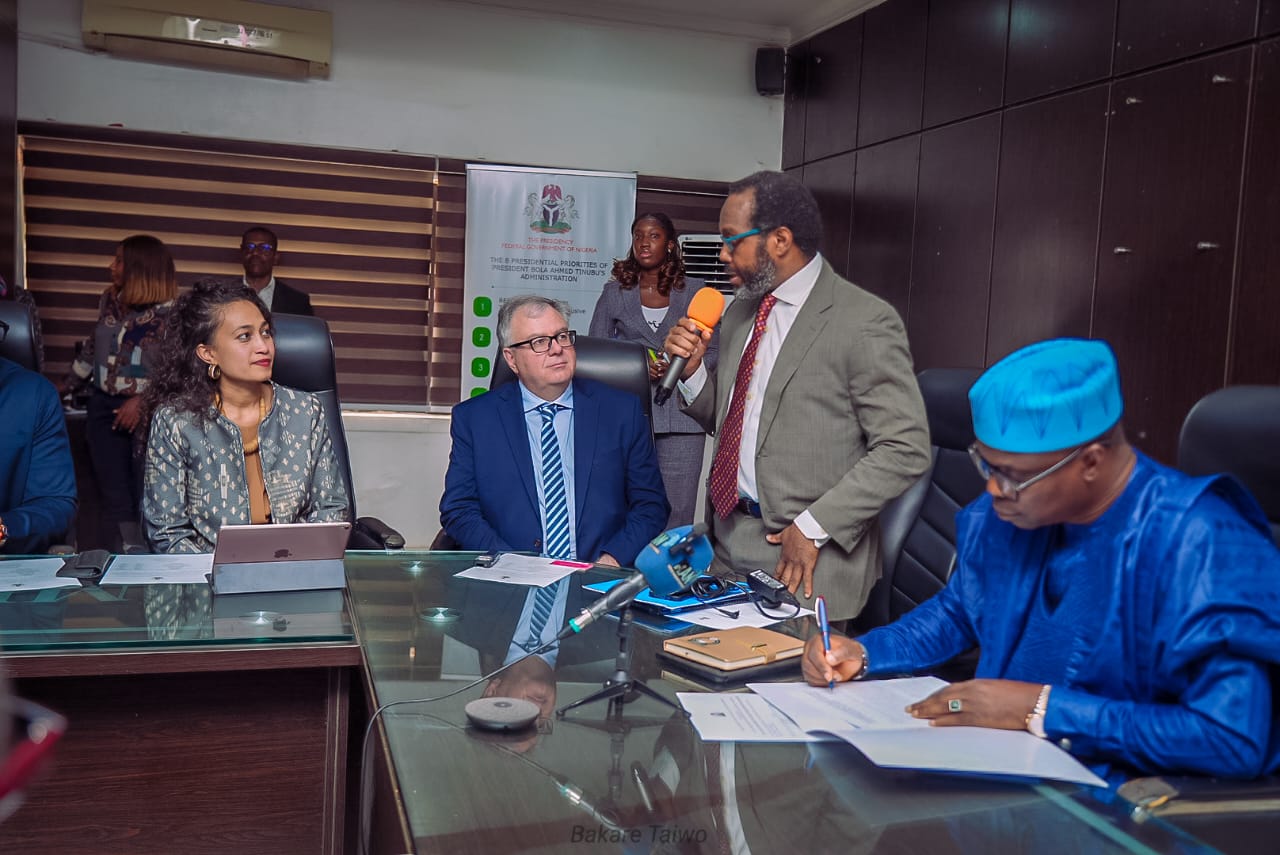
The engagement ended with renewed commitments from stakeholders to deepen cooperation in biomedical innovation, local manufacturing, and advanced therapeutic development across Nigeria and the African continent.
