

By Joy Onu, Abuja
Political parties preparing for the 2027 general elections may face regulatory setbacks if their primary elections fail to accommodate women, the Chairman of the Independent National Electoral Commission, Joash Amupitan, has cautioned.
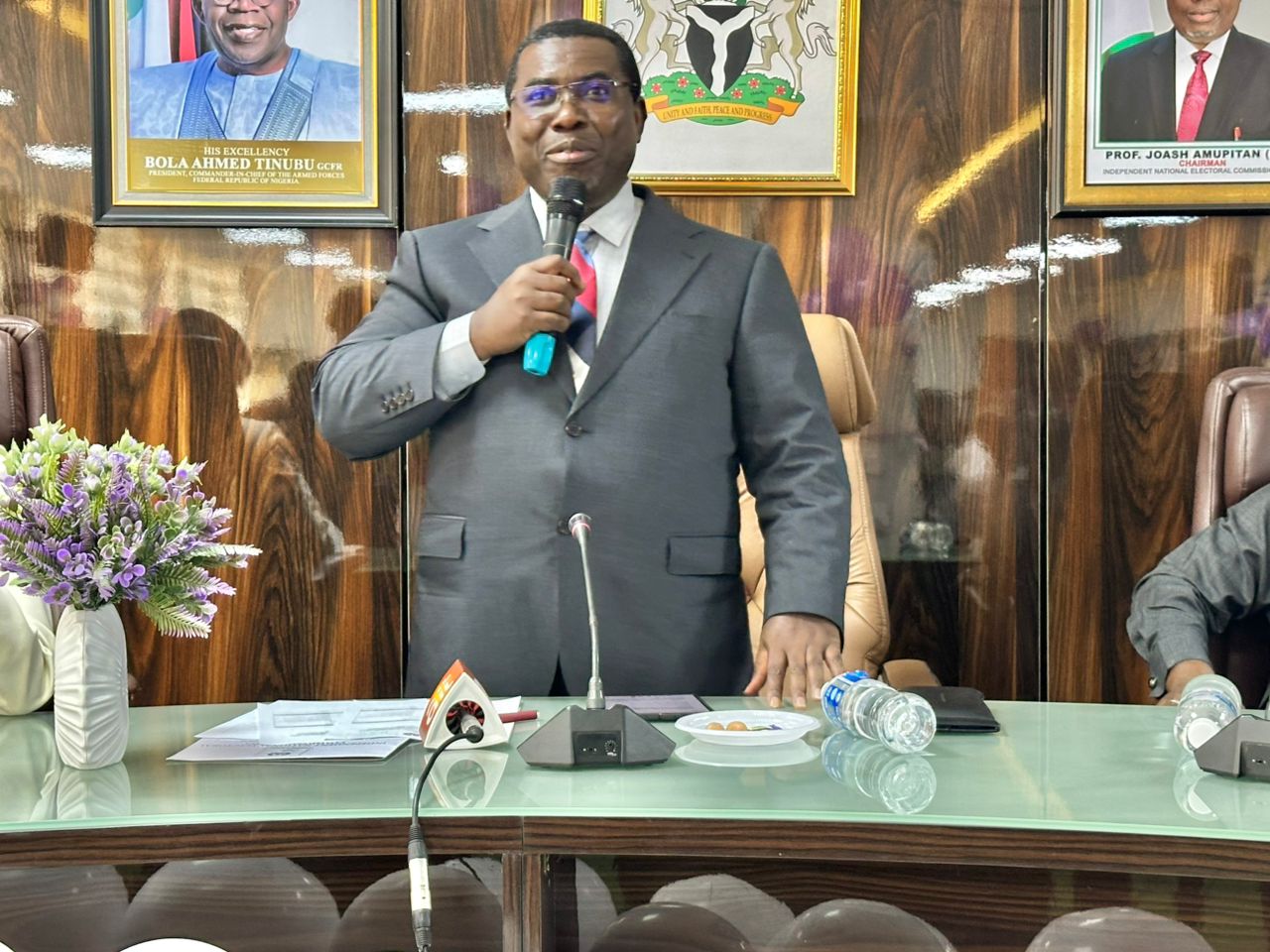
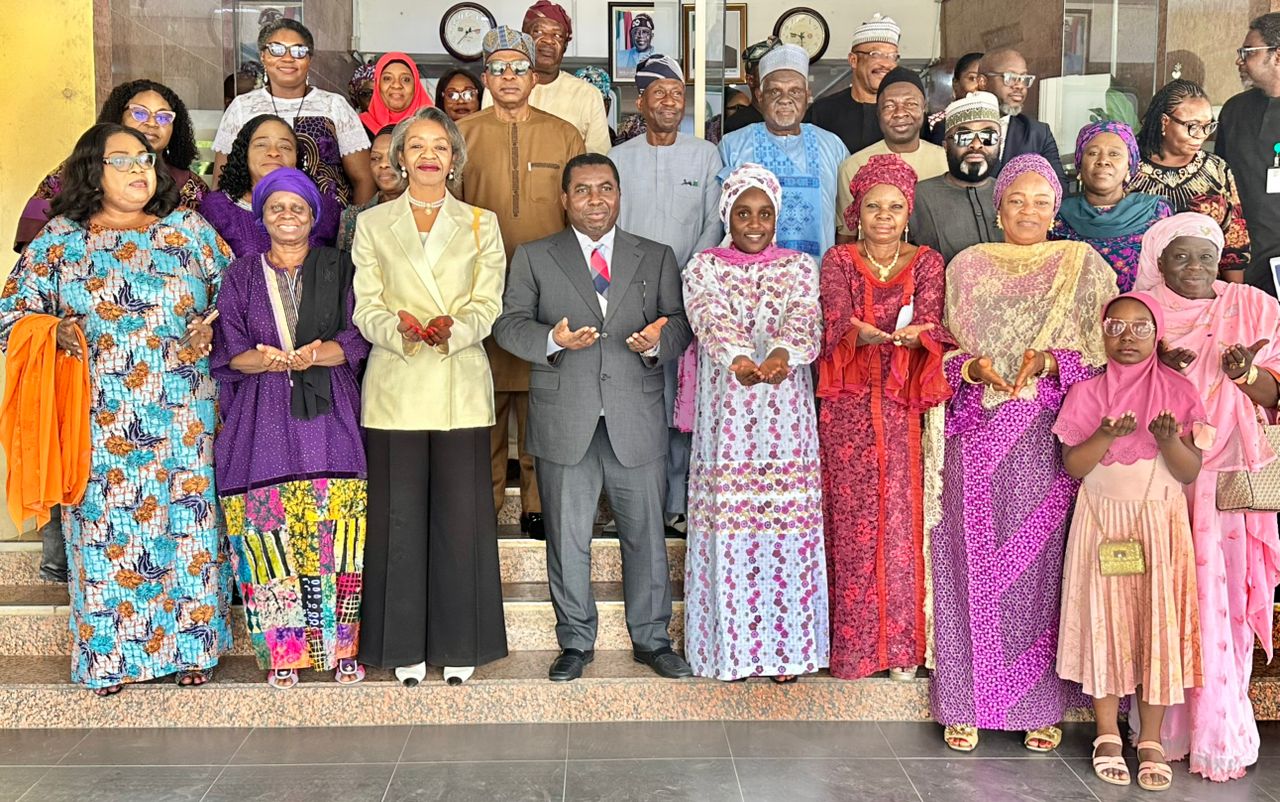
Speaking during activities marking International Women’s Day at the Commission’s headquarters in Abuja, Amupitan indicated that the electoral body intends to pay closer attention to how parties organise their internal nomination processes.
According to him, the era when parties could claim to support women simply by waiving nomination fees is gradually fading, especially when their internal decision-making structures still limit women’s opportunities to compete for leadership positions.
He explained that as Nigeria moves toward another election cycle, democratic credibility will depend not only on the conduct of the general elections but also on how inclusive the political parties themselves are.
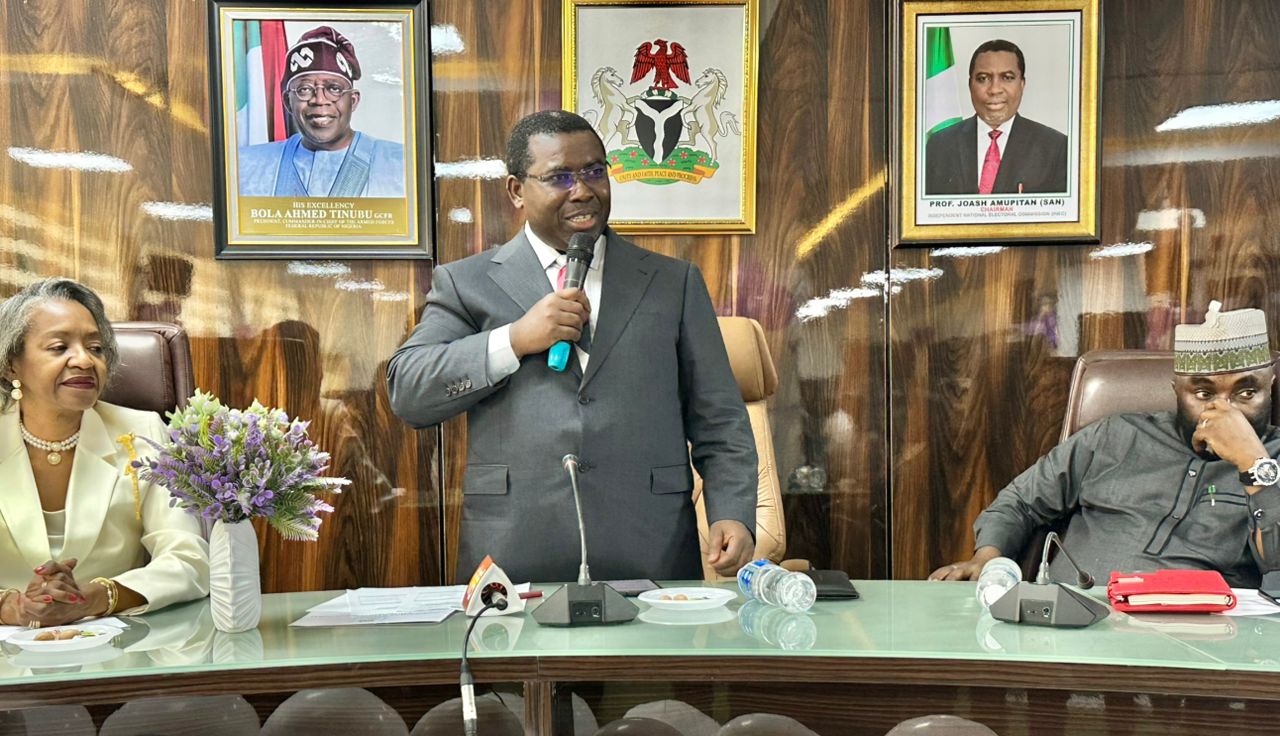
Amupitan also expressed concern over the increasing use of online platforms to intimidate or discredit female aspirants. He noted that gender-targeted disinformation and harassment could discourage women from participating in politics and undermine efforts to broaden representation.
While challenging political parties to become more inclusive, the INEC chairman pointed to reforms within the Commission aimed at strengthening gender participation. Women now occupy several strategic roles within the institution, including positions at the directorate level and in electoral field operations.
He said the Commission has continued to expand opportunities for female professionals through deliberate policy initiatives, leadership development programmes and institutional reforms designed to promote equality within its workforce.
Earlier in his remarks, National Commissioner Abdullahi Abdu-Zuru described the celebration’s theme, “Give to Gain: Advancing Women Leadership for Inclusive Progress,” as a reminder that democratic institutions function best when participation is broad and inclusive.
The Secretary to the Commission, Rose Oriaran-Anthony, also highlighted the gradual transformation in women’s representation within the electoral body, noting that sustained institutional reforms have steadily increased their presence across operational and leadership roles.
