

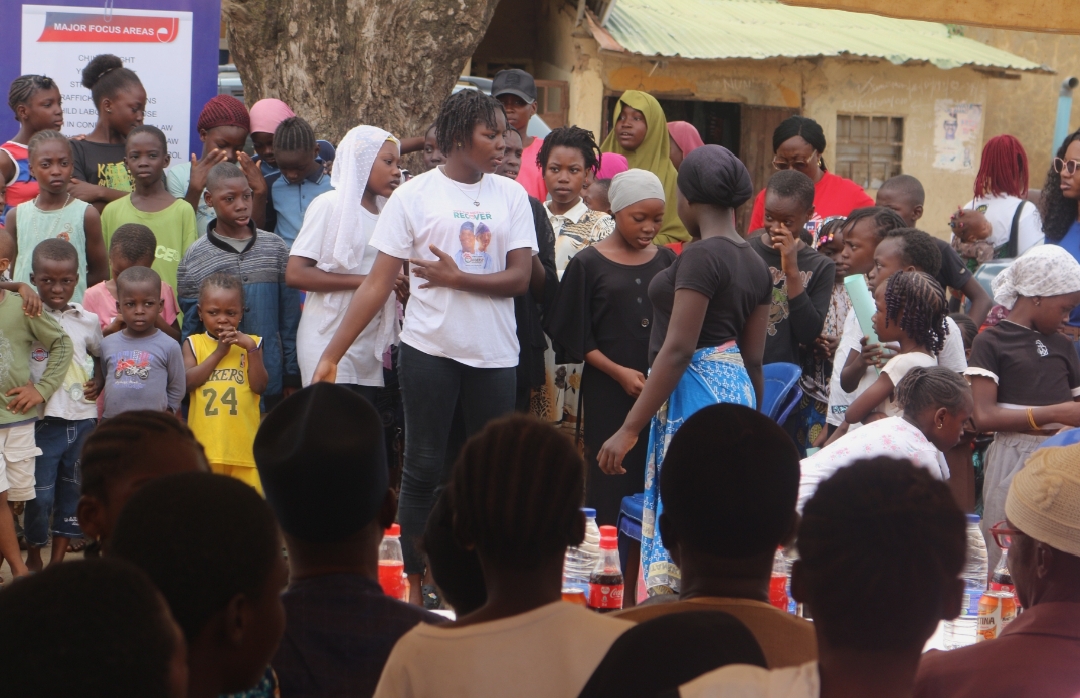
The Child and Youth Protection Foundation (CYPF) in Partnership with Global March, has intensified calls for stronger community-based action against child labour, as children in Kuchigoro community of the Federal Capital Territory (FCT) used creative performances to express concerns over exploitation, education gaps, and child protection challenges.
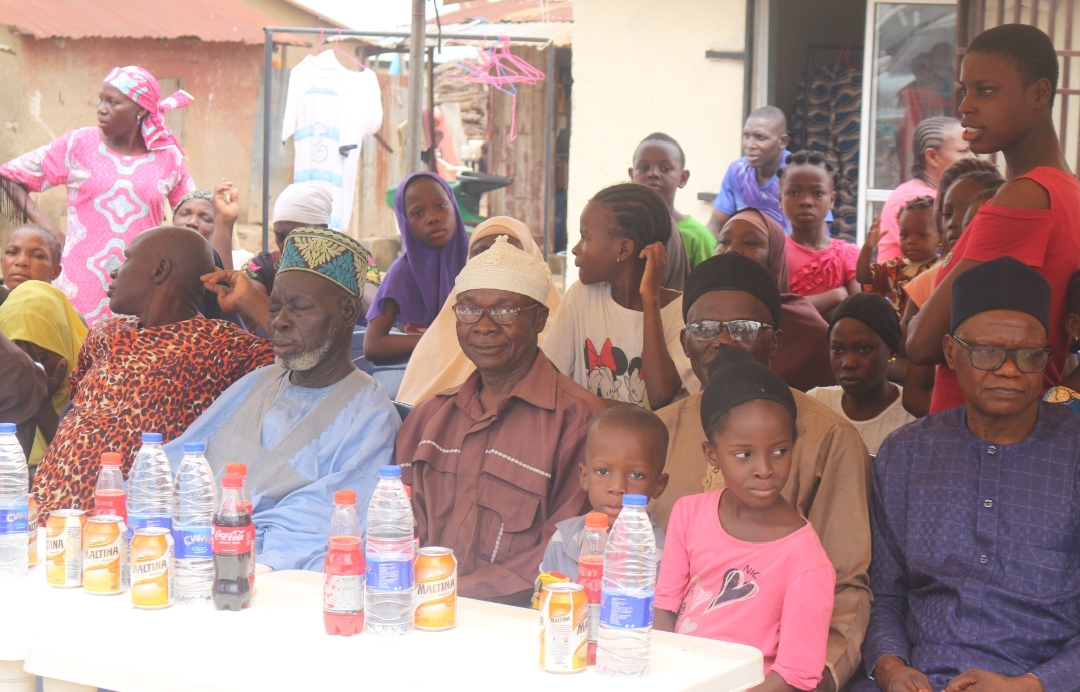
The awareness campaign, held at the chief’s Palace as part of activities marking the 2026 World Day Against Child Labour, brought together traditional rulers, community leaders, parents, children, and civil society organisations in a collective push to address the issue at the grassroots.
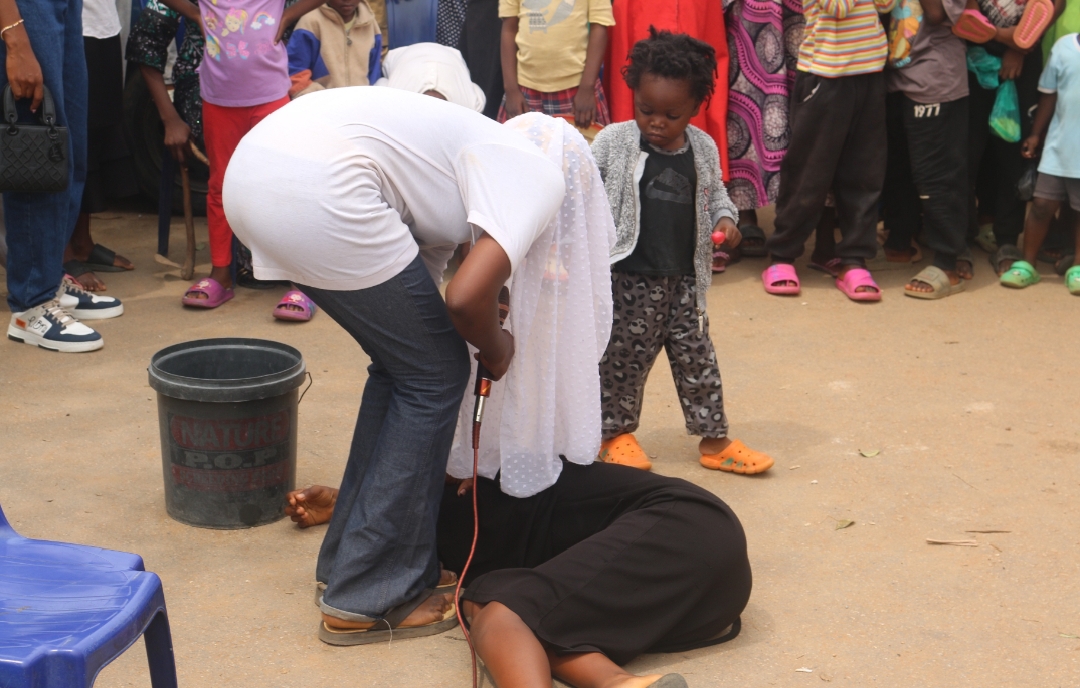
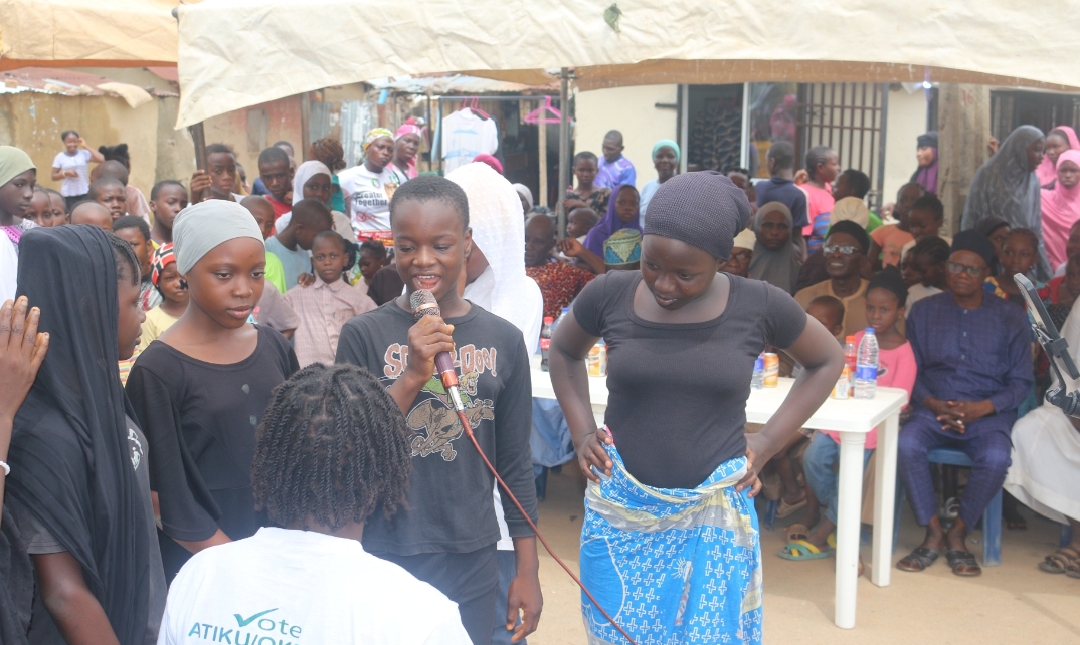
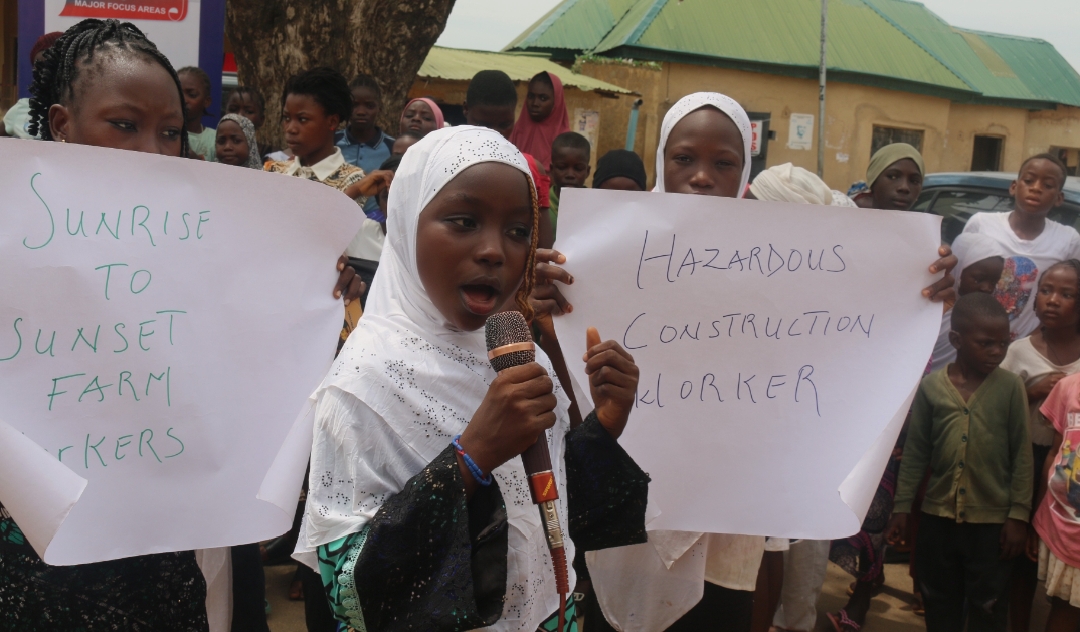
Children participating in the programme took to the stage through drama, dance, poetry, quizzes, and storytelling, highlighting how economic hardship and social pressures continue to push many minors into street hawking, domestic work, and farm labour.
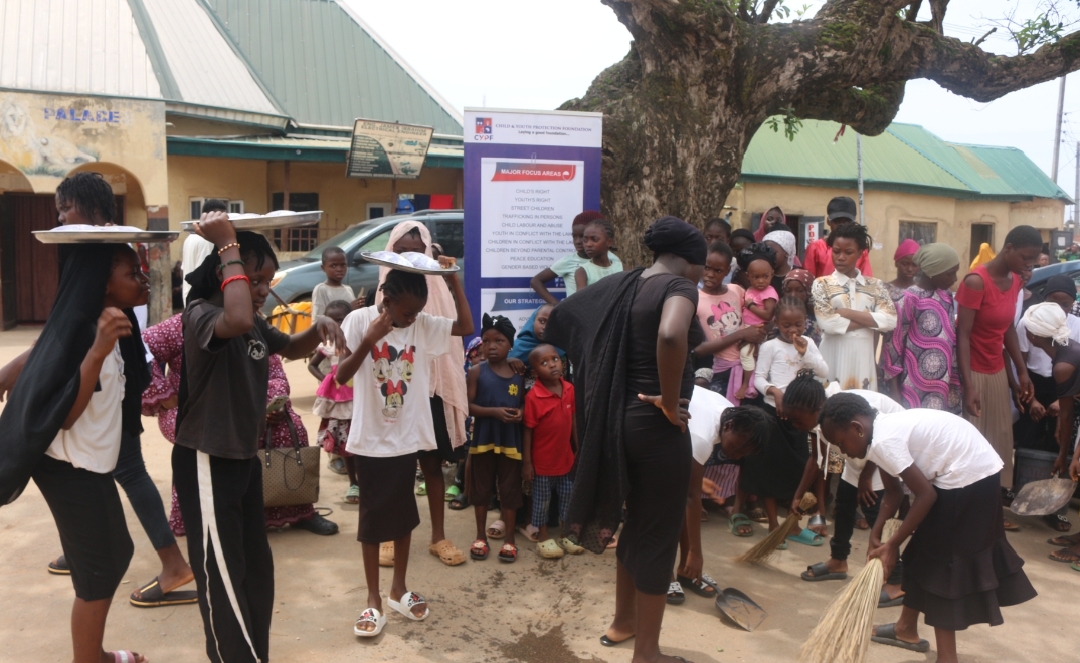
Some of the performances painted a stark picture of children burdened with work responsibilities instead of education.
“We carry heavy loads instead of our school bags. No one noticed our tiredness,” one of the presentations declared.
Another emotional expression from the children questioned the neglect of their welfare and safety, especially amid rising concerns about insecurity affecting schoolchildren in parts of the country.
“Are we still the leaders of tomorrow? If we are, then we deserve to be treated as such,” they said.

Speaking during the engagement, CYPF National Coordinator, Kolawole Olatosimi, said the organisation’s sustained presence in Kuchigoro influenced its decision to focus the campaign on the community.
He noted that the group has spent more than eight years implementing child-focused interventions in the area, including menstrual hygiene education, girls’ empowerment initiatives, and protection programmes.
According to him, the community’s farming nature makes children particularly vulnerable to labour exploitation, especially during planting and harvesting seasons.
“This is a farming settlement where children are often engaged in agricultural activities. What we are doing is building awareness so that families and communities can better protect their children,” he said.
Olatosimi emphasized that the initiative was designed to give children a voice in the conversation, rather than speaking for them. “The children are not just participants; they are the messengers. We are simply facilitating their expression,” he added.
He further identified poverty as a major driver of child labour, warning that involving children in income-generating activities does not break the cycle of hardship.
“Child labour does not solve poverty; it only deepens it,” he stated.
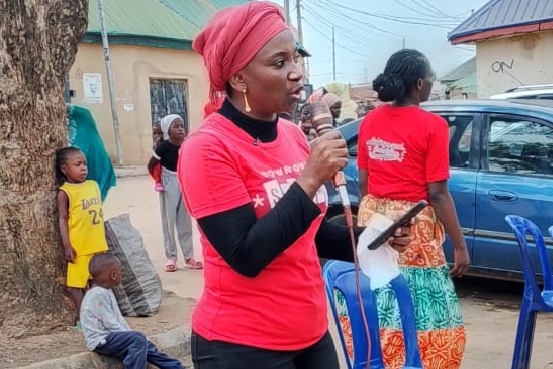
Also speaking at the event, Assistant National Secretary of the Network Against Child Trafficking, Abuse and Labour (NACTAL), Modupe Adelanwa, represented by Sarah Opara of ShieldThem Support Organisation, warned that child labour continues to rob children of education, dignity, and future opportunities.
She called for stronger enforcement of child protection laws and greater community vigilance against exploitation, noting that many children remain exposed to street hawking, domestic servitude, and hazardous labour.

Traditional leader of Kuchigoro , Ibrahim Wambi, commended CYPF for sustained engagement in the community and pledged continued support for efforts aimed at ending child labour.
He acknowledged that economic challenges contribute to the practice but stressed that children’s education and wellbeing must remain a priority for families.

Community stakeholders also urged parents and guardians to treat children with care, discourage exploitation, and support their education as a pathway to a better future.
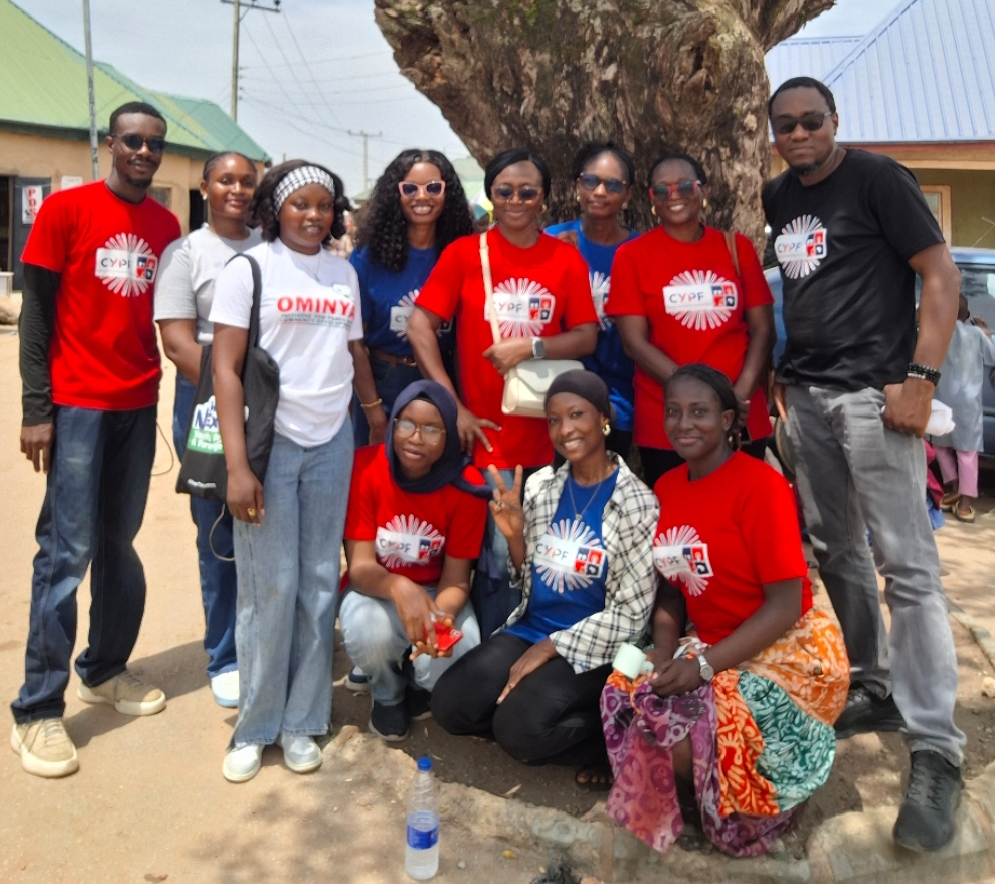
The event ended with renewed commitments from stakeholders to strengthen collaboration and expand awareness campaigns aimed at eliminating child labour across vulnerable communities in the FCT.
