

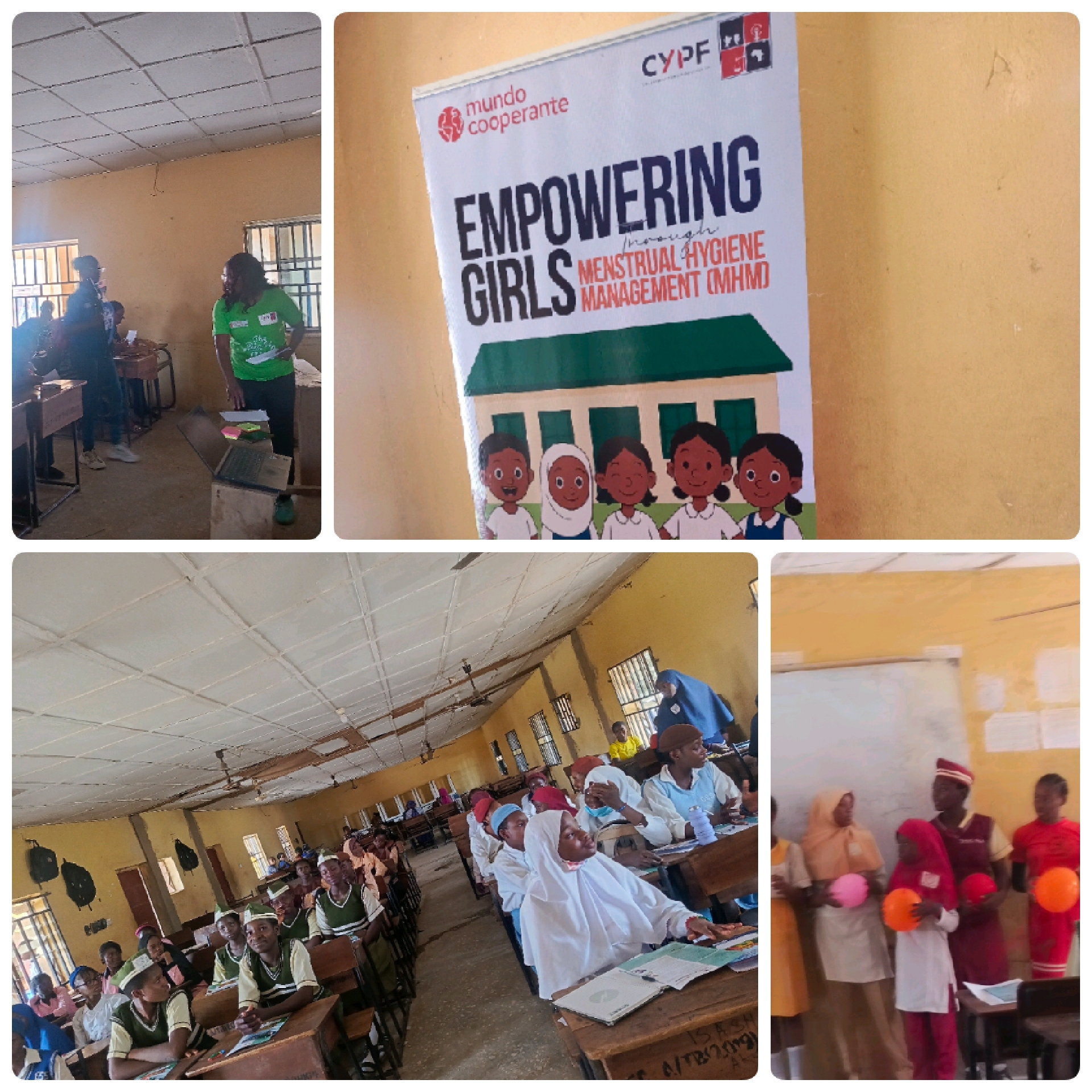
Student ambassadors gain practical skills, mentor peers, and help break the stigma surrounding menstruation.
By Joy Onu
The Child and Youth Protection Foundation (CYPF) on 18 February 2026 trained a group of student ambassadors to promote menstrual hygiene in their schools, equipping them with practical skills to manage their cycles confidently, support their peers, and challenge the stigma surrounding menstruation.
The programme, tagged Ambassadors of Menstrual Hygiene, brought together girls from 11 secondary schools across the Federal Capital Territory (FCT) for interactive sessions that combined education, mentorship, and hands-on demonstrations.
The training builds on CYPF’s earlier outreach, which provided WASH facilities and sanitary pad banks to many government schools across the FCT, ensuring that girls could manage their menstruation safely and hygienically. The programme also strengthened teachers’ capacity as mentors and coordinators, guiding the girls as they took up leadership roles in promoting menstrual hygiene among their classmates.
Ofor Faustina Iye, one of the student ambassadors, shared how the training had empowered her. “As an ambassador of menstrual hygiene, I should be there for students around me so they can trust me and talk about their menstrual cycles,” she said. She added that lessons on hygiene, neatness, and preventing body odour were especially helpful. “This training has taught me that menses is a normal thing, not a curse, and I should not be ashamed of it. I now know I can share these lessons with my friends and help them feel confident and proud of being a woman.”
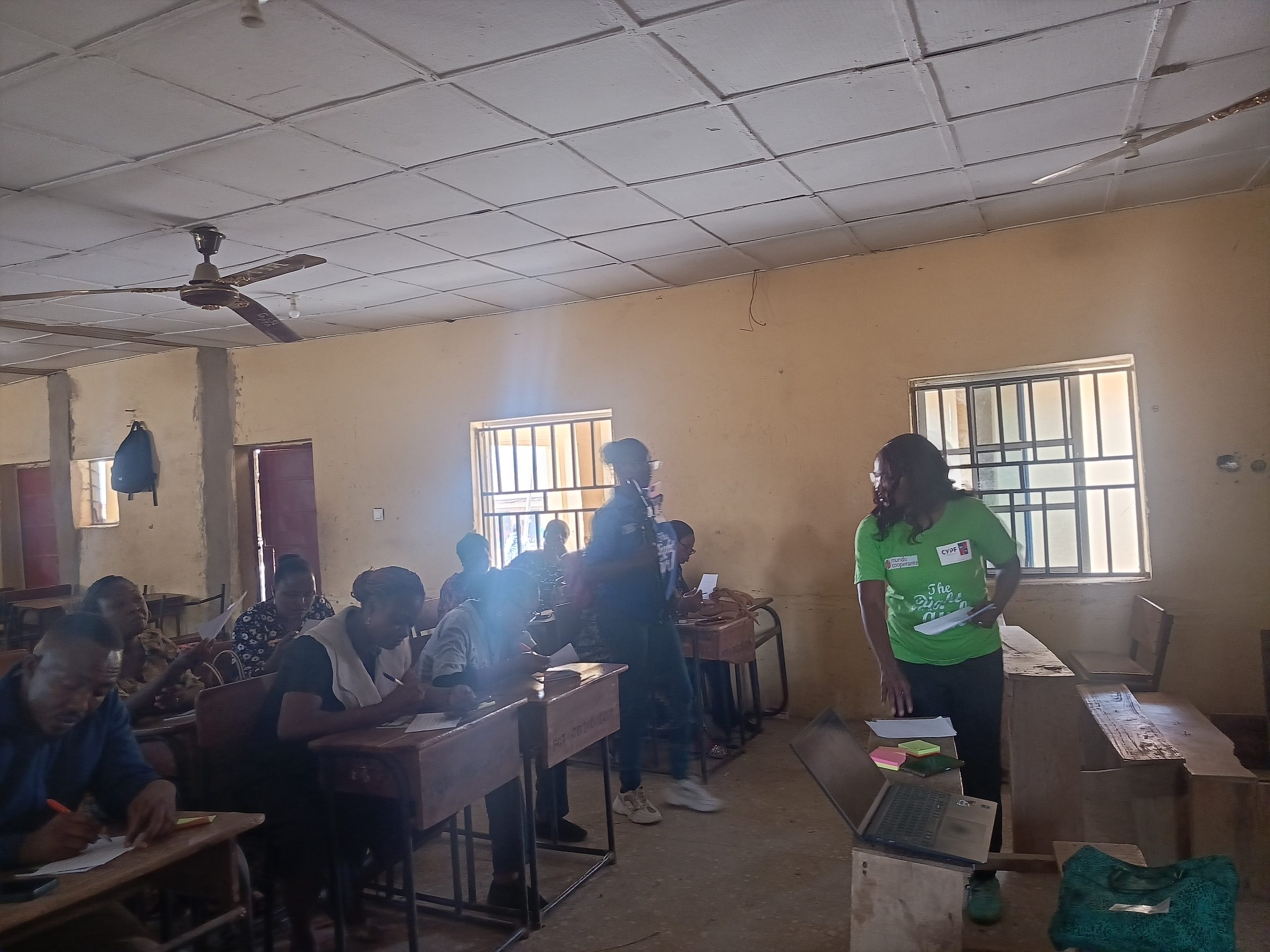
The facilitator and resource person, Aswelime Destiny, who is also a professional mentor for the girl child, emphasised the programme’s goal of normalising menstruation and removing stigma. “Menstrual hygiene has always been treated as something private and shameful, but this campaign is about vocalising it and passing the right information,” she said.
Destiny guided the girls on how to safely manage menstrual hygiene, dispose of sanitary pads, track their cycles, handle cramps, stay hydrated, and approach teachers for support when needed.
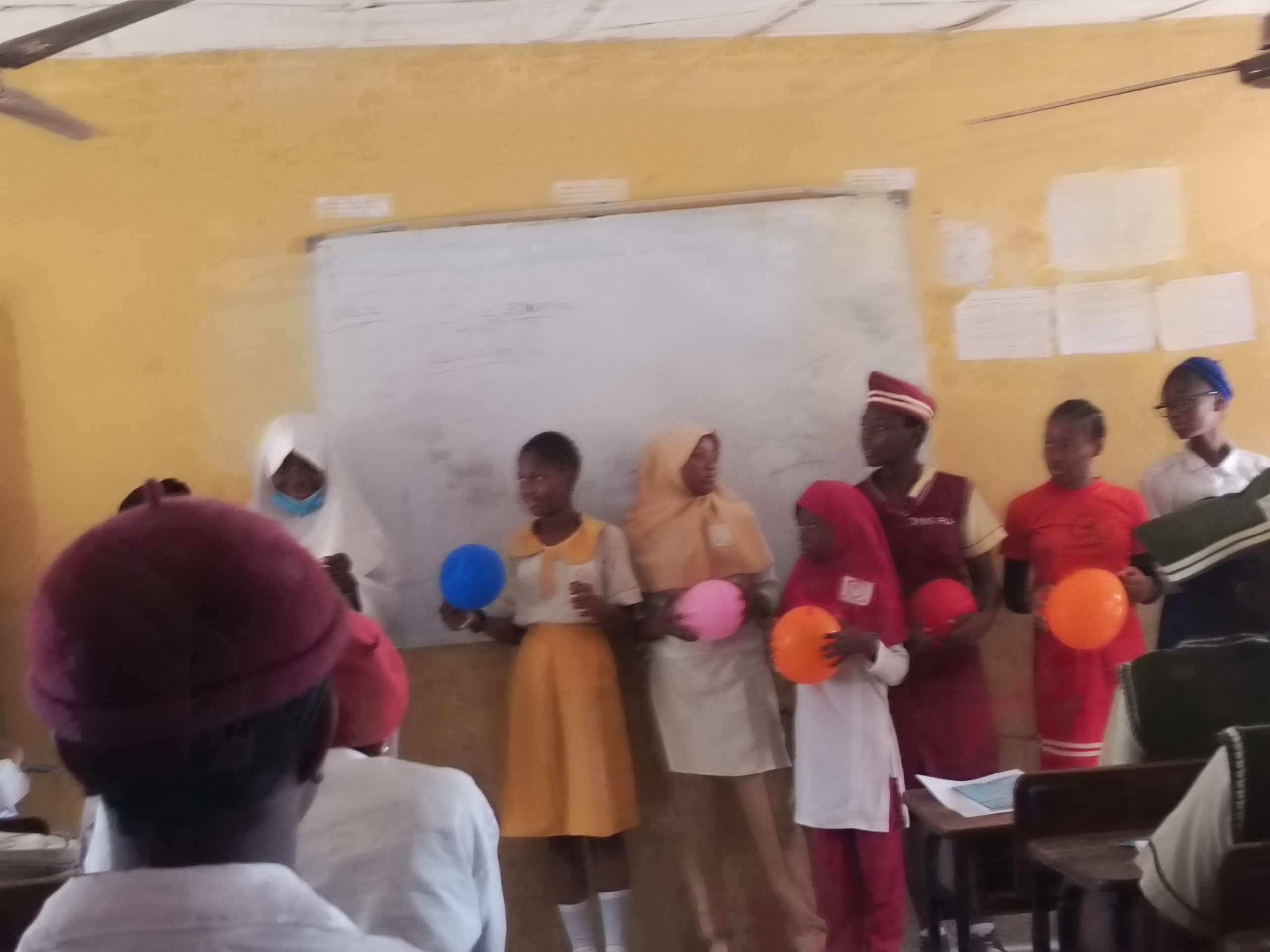
A highlight of the training was an interactive balloon activity, where students guessed messages written on papers inside balloons demonstrating practical menstrual hygiene tips. These included proper disposal methods, handwashing after using the toilet, carrying pads to avoid unexpected leaks, and knowing when to seek medical attention for cramps.
Destiny also praised the girls for being active and engaged participants. “They were very vocal and open to learning. Their enthusiasm showed they understood how important it is to support their peers and challenge misinformation about menstruation,” she said.
The programme reinforced the critical role of teachers in supporting menstrual hygiene ambassadors. Teachers were trained respectively to mentor, guide, and provide the resources girls need to lead awareness campaigns in their schools. By engaging boys appropriately and promoting stigma-free school environments, teachers provide guidance and support that helps the ambassadors build confidence and ensures that menstruation is recognised and treated as a normal part of life.
With CYPF’s continued provision of sanitary materials and WASH facilities, the programme equips girls to manage their menstrual health effectively, reduce absenteeism linked to menstrual discomfort, and serve as ambassadors of knowledge and support within their schools. The initiative reflects a growing commitment to institutionalising menstrual hygiene education in the FCT, combining infrastructure, mentorship, and peer leadership to empower the next generation of girls.
