

By Joy Onu
In a move set to reshape migration governance and deepen economic cooperation, Nigeria and the United Kingdom have formalised a trio of agreements targeting mobility, security, and business expansion. The signing, which took place midweek in the UK, signals a renewed push by both nations to align migration systems with evolving global realities while unlocking new economic pathways.
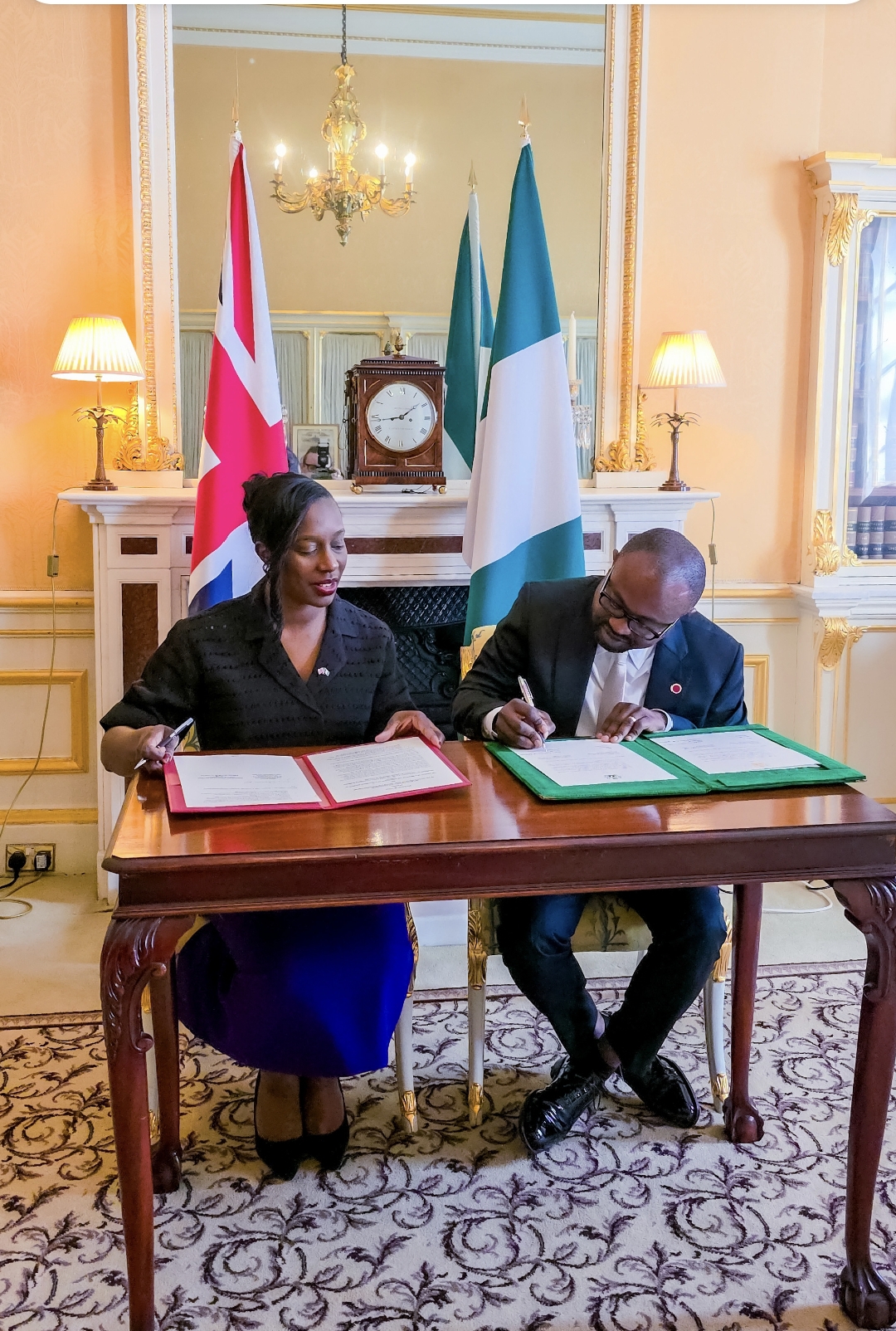
Representing Nigeria, the Minister of Interior, Olubunmi Tunji-Ojo, endorsed two of the agreements on Wednesday and concluded the process with a third on Thursday. The documents include a Memorandum of Understanding on Migration Partnership, alongside Statements of Intent addressing cooperation on organised immigration crime and border security, as well as the expansion of business visas for UK companies engaging with Nigeria.
At the heart of the engagement is a shared objective to build a migration framework that is structured, transparent, and mutually beneficial. Tunji-Ojo underscored this direction, noting that Nigeria is not merely engaging at a diplomatic level but is focused on integration and measurable progress within a defined period. He expressed confidence that the outcomes of the partnership would become evident within a year and could serve as a template for future bilateral agreements.
The minister pointed to Nigeria’s existing relationship with the UK Home Office as a strong foundation for the new commitments, describing it as both commendable and impactful. He also linked the agreements to the broader reform agenda of President Bola Ahmed Tinubu, particularly in advancing policies that support economic growth and international cooperation.
A significant component of the agreements revolves around accountability and security. Nigeria, Tunji-Ojo affirmed, remains committed to safeguarding its citizens while ensuring that individuals who exploit legal migration routes or engage in criminal activities face consequences. This stance is reinforced through the enhanced collaboration on organised immigration crime and border management.
Equally prominent is the economic dimension. The expansion of business visas for UK companies is expected to ease entry processes and strengthen commercial ties. Tunji-Ojo described the development as one Nigeria has long anticipated, stressing that visa reforms can act as catalysts for socio-economic progress. He further noted that eliminating barriers linked to irregular migration is essential to achieving Nigeria’s ambition of building a trillion-dollar economy, assuring partners of the country’s openness to sustained growth and collaboration.
From the UK’s perspective, the agreements mark a milestone in bilateral relations. The Home Secretary, Shabana Mahmood, highlighted Nigeria’s position as a priority partner, noting that it is the first country to secure such a comprehensive arrangement. She pointed to a shared understanding and vision between both nations as a driving force behind the strengthened cooperation.
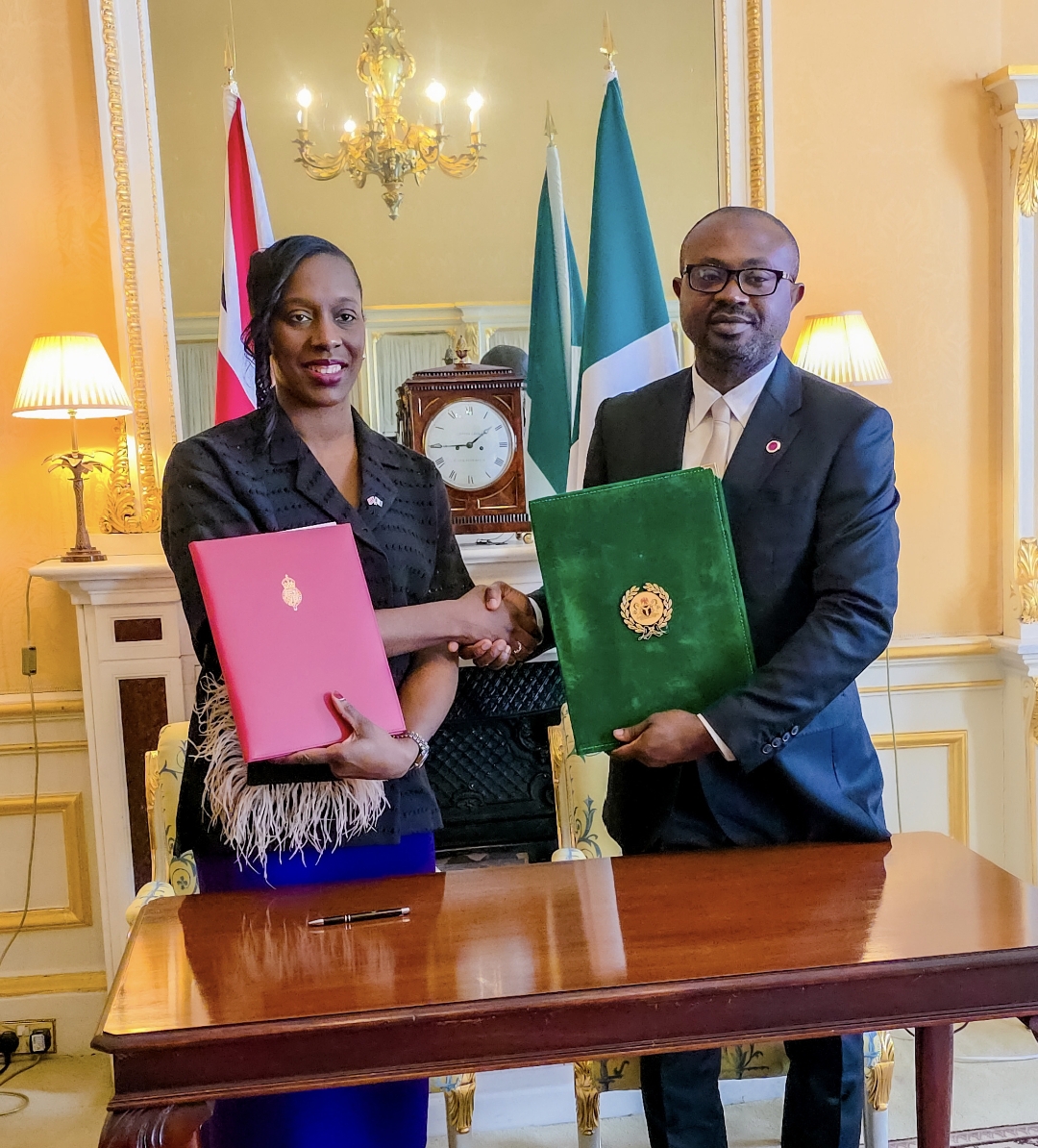
Adding an economic lens, UK Trade Envoy Florence Eshalomi described the business visa expansion as mutually beneficial, emphasising its potential to stimulate growth. She characterised the broader partnership as a bold and necessary step for economic advancement, particularly for Nigeria as Africa’s largest and dynamic economy.
With these agreements now in place, both countries are poised to deepen collaboration across migration management, border security, and trade, setting the stage for what officials describe as a more coordinated and forward-looking partnership.
