

Nigeria’s push for economic growth and national transformation will remain limited without sustained investment in modern infrastructure, the Permanent Secretary of the Federal Ministry of Works, Mr. Rafiu Olarinre Adeladan, said on Thursday as top government officials gathered in Abuja to chart new strategies for infrastructure delivery.
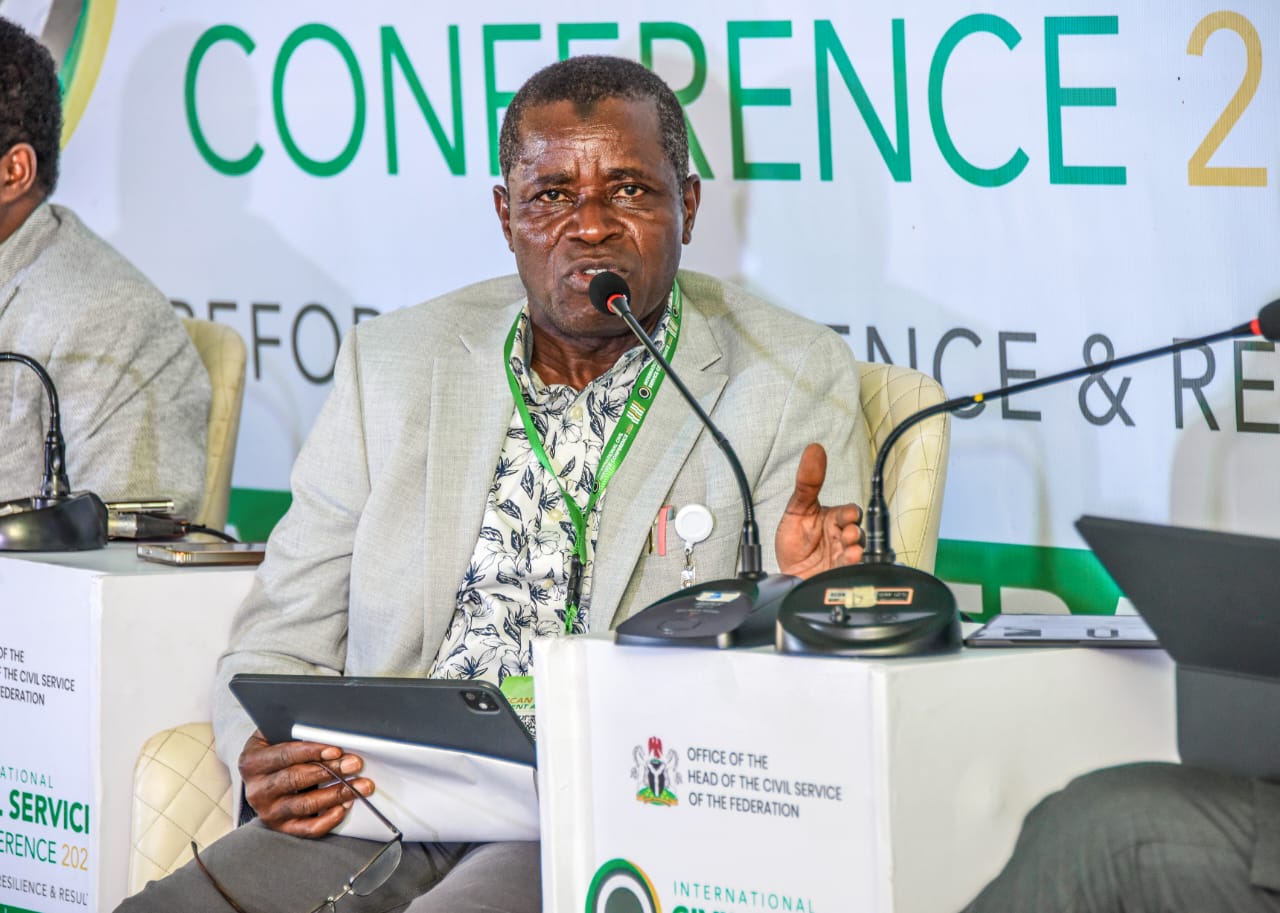
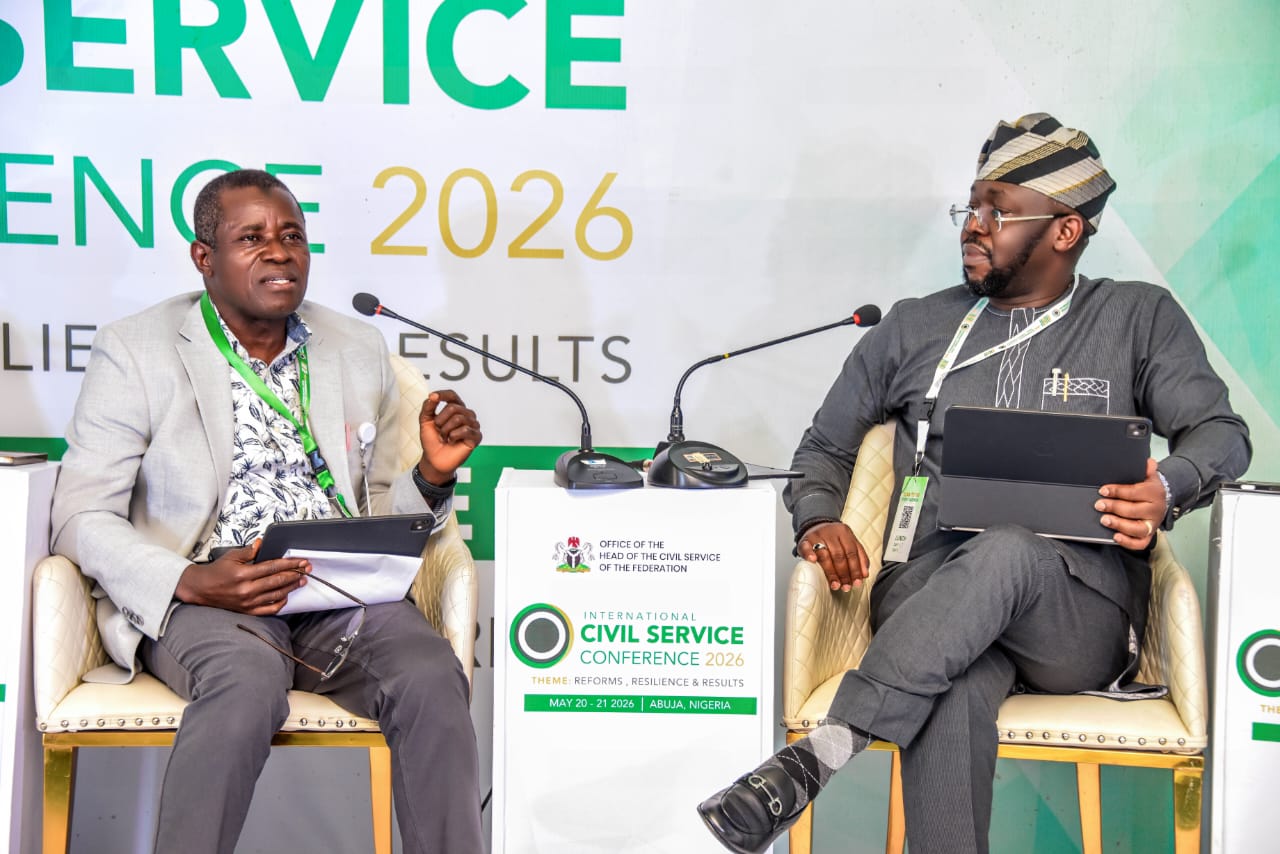
Speaking at the 2026 International Civil Service Conference, Adeladan described infrastructure as the “engine room” of economic development, insisting that roads, transportation systems, and other public facilities are directly tied to productivity, investment inflow, and citizens’ welfare.
“No nation can attain meaningful economic progress without strong infrastructure,” he said, noting that countries with advanced economies have consistently invested in roads, rail systems, power supply, and other strategic assets to drive industrial and commercial growth.
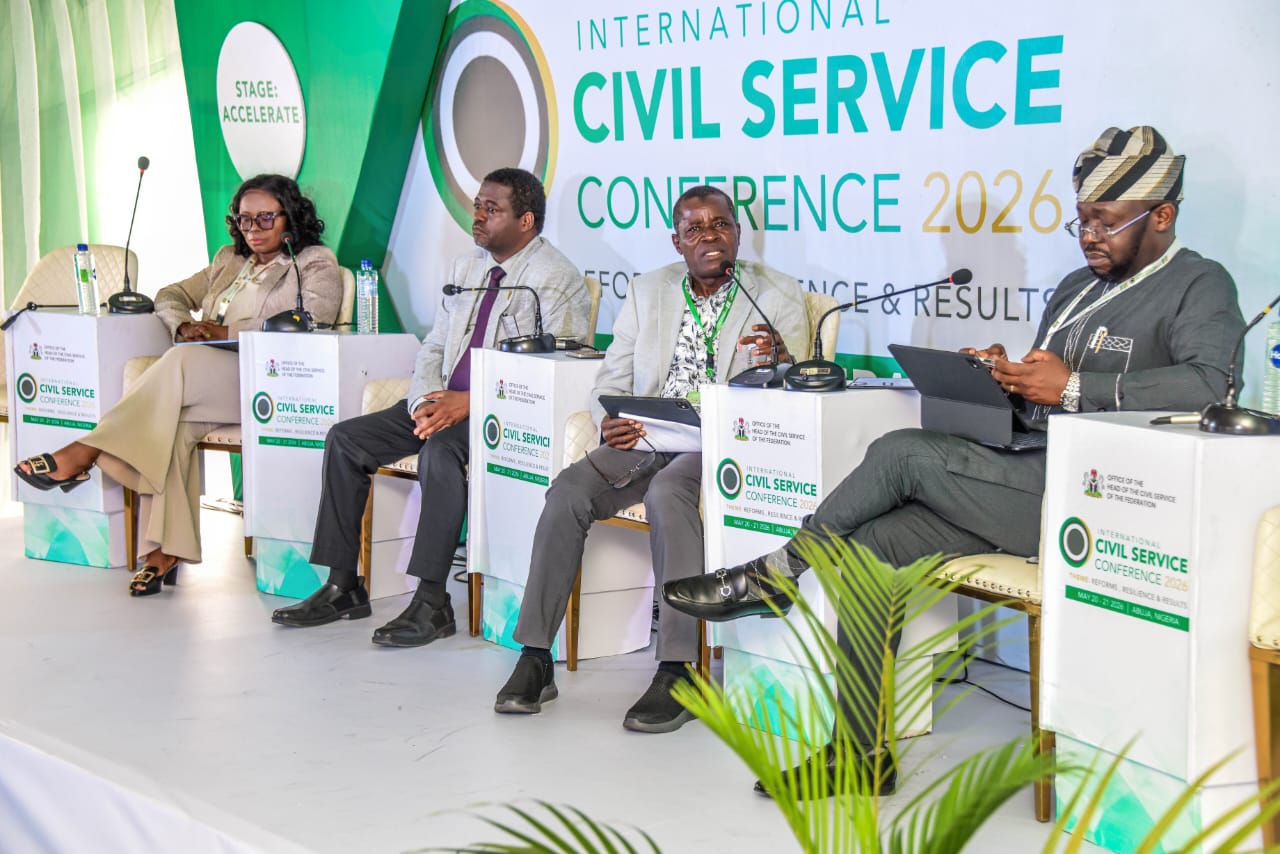
The conference brought together policymakers, development experts, and senior civil servants to examine how innovation, technology, and partnerships can help Nigeria bridge its widening infrastructure gap.
Adeladan said the Federal Government has continued to prioritise infrastructure and transportation under the current administration, stressing that the impact cuts across agriculture, trade, oil and gas, and mobility.
In what appeared to be a major policy direction for road construction, the Works Ministry revealed that it has embraced Continuously Reinforced Concrete Pavement (CRCP) technology for some federal roads, describing it as a more durable and climate-resilient alternative to conventional asphalt surfaces.
According to the Permanent Secretary, although the technology requires higher initial investment, concrete pavements can last up to 50 years with minimal maintenance while withstanding heavy traffic pressure and harsh weather conditions increasingly linked to climate change.
He added that the shift toward concrete roads would also encourage local content development because most of the materials and labour required can be sourced within Nigeria, creating jobs and stimulating economic activities in host communities.
Adeladan, however, admitted that inadequate funding remains one of the biggest obstacles to infrastructure expansion in the country, saying government resources alone are insufficient to meet Nigeria’s growing demands.
To address the challenge, he said authorities are increasingly turning to Public-Private Partnerships and concession arrangements to finance and maintain major highways. He cited the Benin–Asaba Road and the Abuja–Keffi–Akwanga corridor as examples of projects already concessioned to improve sustainability, efficiency, and long-term maintenance.
The Permanent Secretary also warned against infrastructure projects that fail to consider environmental realities and community needs, insisting that future developments must be climate-conscious and designed for long-term public value.
Other speakers at the conference echoed similar concerns over Nigeria’s infrastructure deficit and environmental vulnerabilities.
The Permanent Secretary, State House, Mr. Temitope Peter Fashedemi, stressed the need for proper planning and stronger maintenance culture to reduce the devastating effects of flooding and erosion on public assets.
Similarly, the Permanent Secretary of the Federal Ministry of Water Resources and Sanitation, Dr. Emanso Umobong, called for greater integration of technology, smart-city planning, and community participation in infrastructure development.
Also contributing, the Director-General of the Infrastructure Concession Regulatory Commission said Nigeria’s infrastructure financing challenges require deeper private sector participation and stronger investor confidence to unlock sustainable funding.
