

Nigeria Expands Eye Programme to Include Hearing and Sensory HealthFederal Government broadens National Eye Health Programme to cover hearing and sensory care, promoting early detection and prevention of childhood hearing loss nationwide.
Joy Onu
Nigeria has broadened the scope of its National Eye Health Programme to include ear and sensory health services, a move aimed at preventing childhood hearing loss and strengthening early detection nationwide.
The announcement was made by the Federal Ministry of Health and Social Welfare on World Hearing Day 2026.
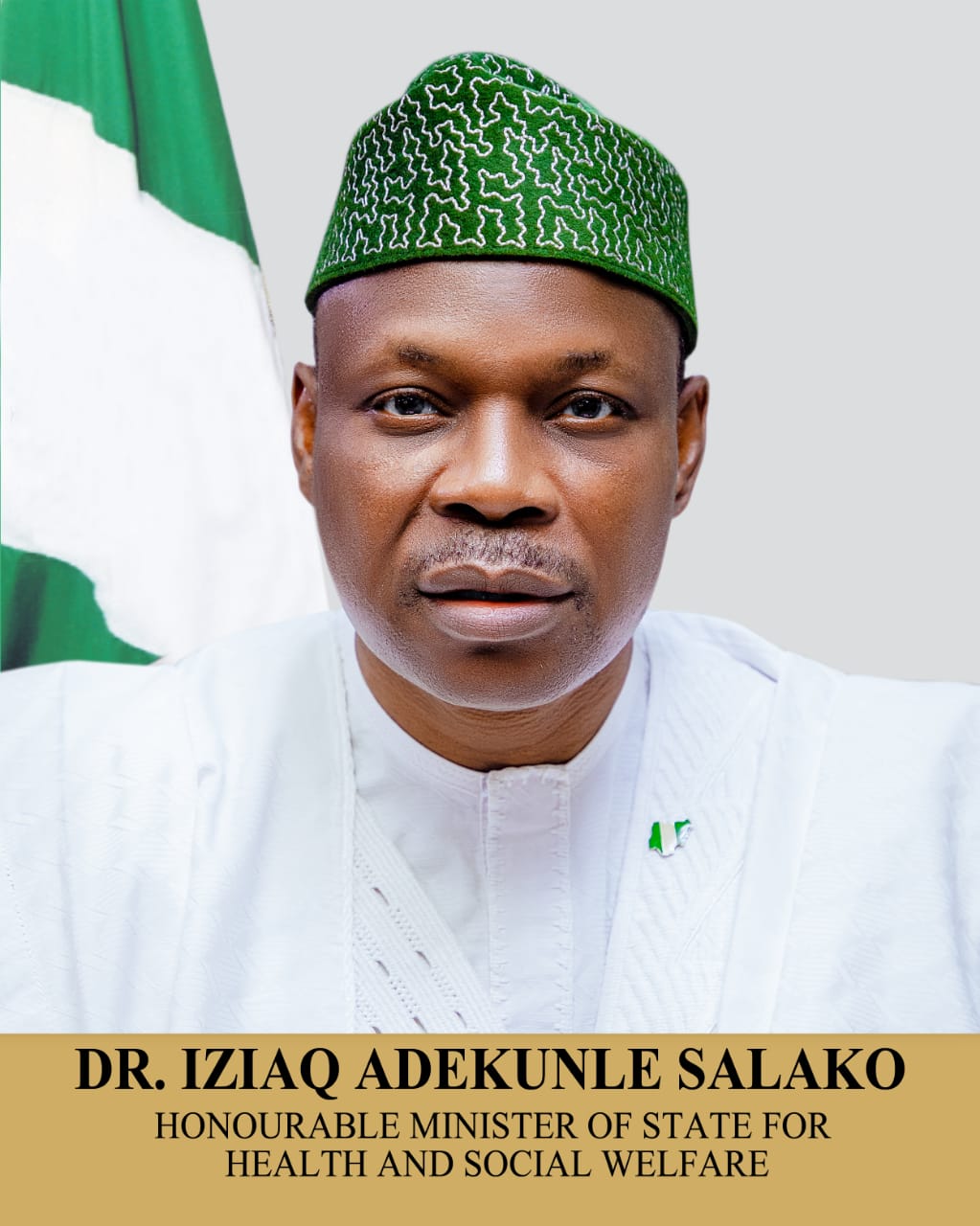
The Honourable Minister of State for Health and Social Welfare, Dr. Iziaq Adekunle Salako, highlighted that untreated ear infections, excessive noise exposure, maternal infections during pregnancy, and limited early screening continue to contribute significantly to hearing impairment among Nigerian children. “Up to 60% of childhood hearing loss is preventable through timely interventions, including vaccination, early detection, and proper ear care,” he said, warning that unaddressed hearing challenges can lead to delayed speech development, poor academic outcomes, and long-term socio-economic consequences.
As part of the expansion, the programme has been renamed the National Eye, Ear and Sensory Health Functions Programme. Eye Health Desk Officers in all 36 states and the Federal Capital Territory will now coordinate hearing health, while the Ministry develops policies, governance structures, and national guidelines to institutionalise sensory care across the country.
Dr. Salako emphasised that effective hearing care begins in the community. He urged parents, caregivers, and primary healthcare workers to recognise early warning signs such as delayed responses to sound, frequent ear pain, or speech delays, and to seek timely medical attention. Schools will also play a critical role, with expanded newborn hearing screenings, routine checks in primary schools, teacher training to identify early signs of hearing challenges, and the promotion of inclusive, hearing-friendly classrooms.
Ado Bako, Assistant Director of Information and Public Relations at the Ministry, in the press release to the media on Tuesday, 3 March 2026, added that the government is calling on civil society organisations, educators, healthcare providers, development partners, and the media to work together in protecting children’s hearing. “Simple actions, including shielding children from excessive noise, ensuring timely vaccinations, and promoting regular hearing checks, can prevent the majority of childhood hearing loss,” he said.
“The Federal Government envisions a Nigeria where every child can hear clearly from the vibrant sounds of their communities to the lessons in their classrooms,” Dr. Salako reiterated, reaffirming the nation’s commitment to hearing care for every child
