

By Joy Onu, Abuja
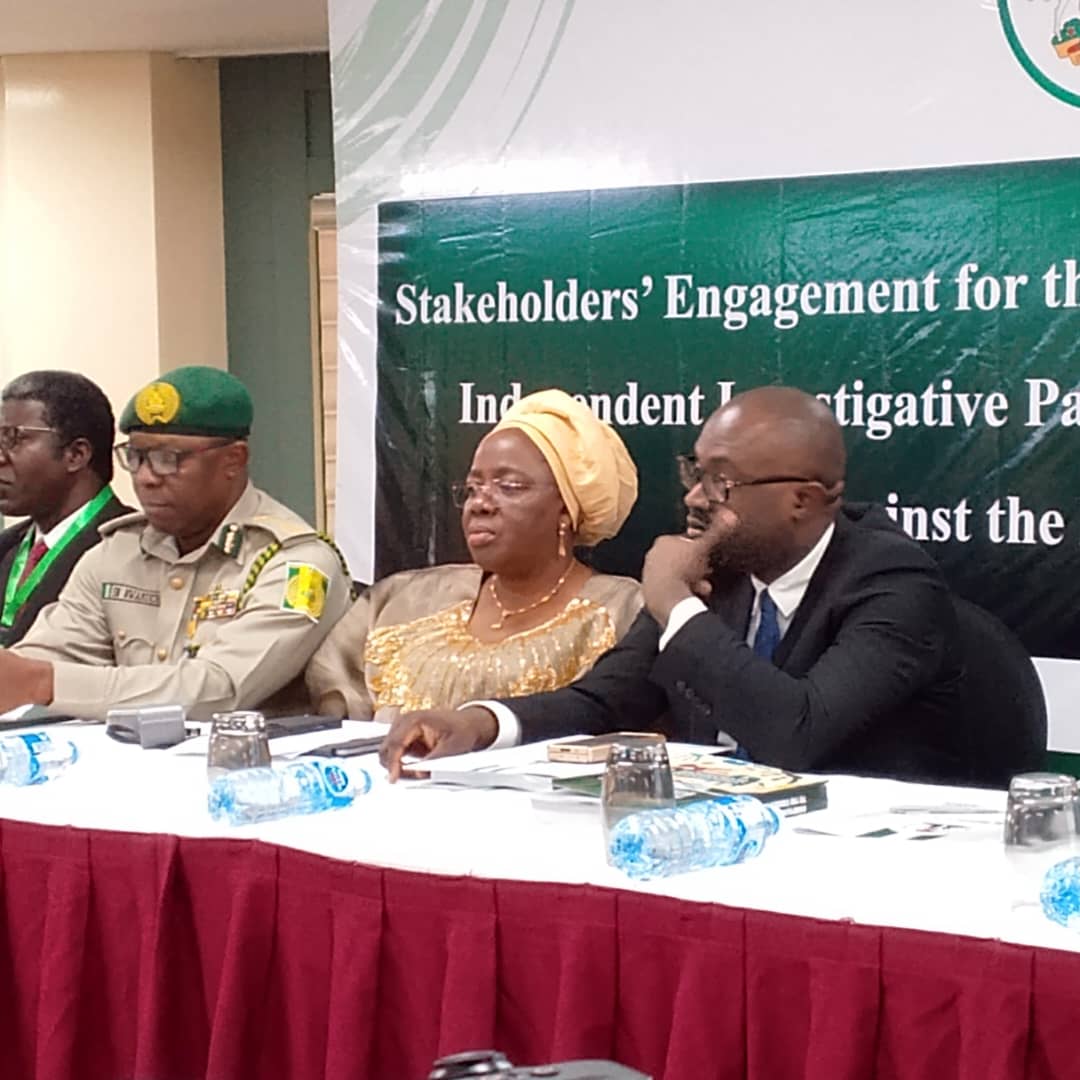
Nigeria’s correctional system is poised for significant transformation following the unveiling of a landmark report by an Independent Investigative Panel. The 16-month investigation, commissioned to examine allegations of misconduct, corruption, and human rights violations, was presented at a high-level stakeholders’ engagement organized by the Ministry of Interior.
Dr. Olubunmi Tunji-Ojo, Minister of Interior, described the panel’s work as a thorough assessment tackling long-standing challenges. “We chose to face these issues directly,” he said, “because every problem is an opportunity for meaningful reform.” The investigation revealed systemic gaps that have long affected the credibility and efficiency of correctional facilities.
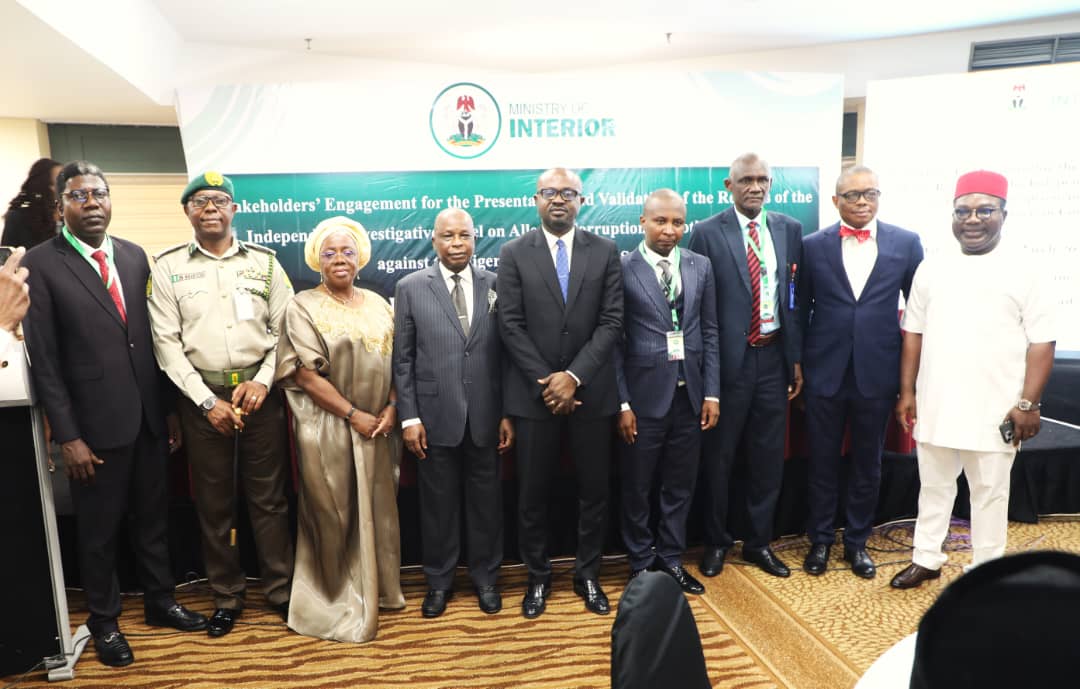
“The panel’s findings provide a path to transform our correctional centers from mere custodial spaces into hubs of rehabilitation, reintegration, and societal transformation,” Dr. Tunji-Ojo added, emphasizing that transparency, accountability, and institutional integrity must guide the next steps.
The Attorney-General and Minister of Justice, Prince Lateef Fagbemi, SAN, welcomed the initiative, calling it a milestone for Nigeria’s justice sector. He noted that the reforms will enhance public trust, strengthen human rights protections, and build on the modern framework established under the Nigerian Correctional Service Act, 2019, which shifted the focus from punitive detention to rehabilitation and reintegration.
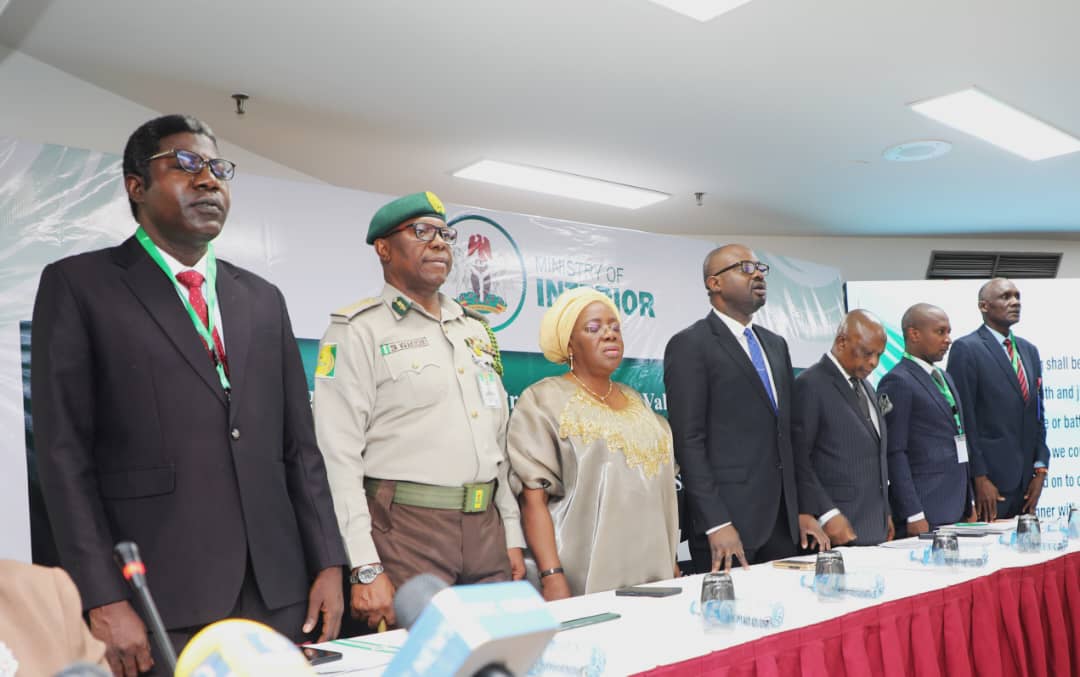
Dr. Magdalene Ajani, Permanent Secretary and Chairperson of the Investigative Panel, described the engagement as a crucial platform for dialogue and collaborative ownership of reform outcomes. Goodwill messages from the Legal Aid Council, the Nigerian Bar Association, the Conference of Speakers, and UNICEF reinforced the need to translate the report’s recommendations into decisive, measurable action.
Among the panel’s key proposals are expanding non-custodial measures, improving access to justice, protecting vulnerable groups, particularly children and enhancing welfare and working conditions for correctional staff. Participants also highlighted persistent challenges such as overcrowding, prolonged pre-trial detention, and gaps in legal implementation, calling for sustained, multi-institutional collaboration.
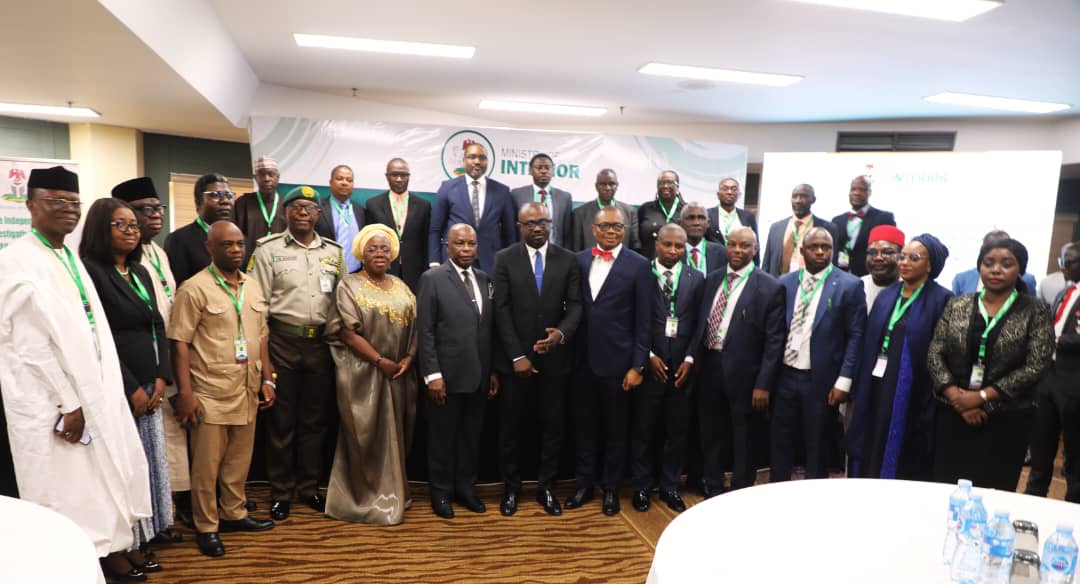
Dr. Tunji-Ojo stressed that real change depends on all stakeholders taking responsibility. He urged a reform process driven by honesty, dedication, and a shared commitment to justice. With this renewed momentum, Nigeria’s correctional system is set to embrace transparency, efficiency, and respect for human dignity—a bold stride toward true institutional transformation.
