

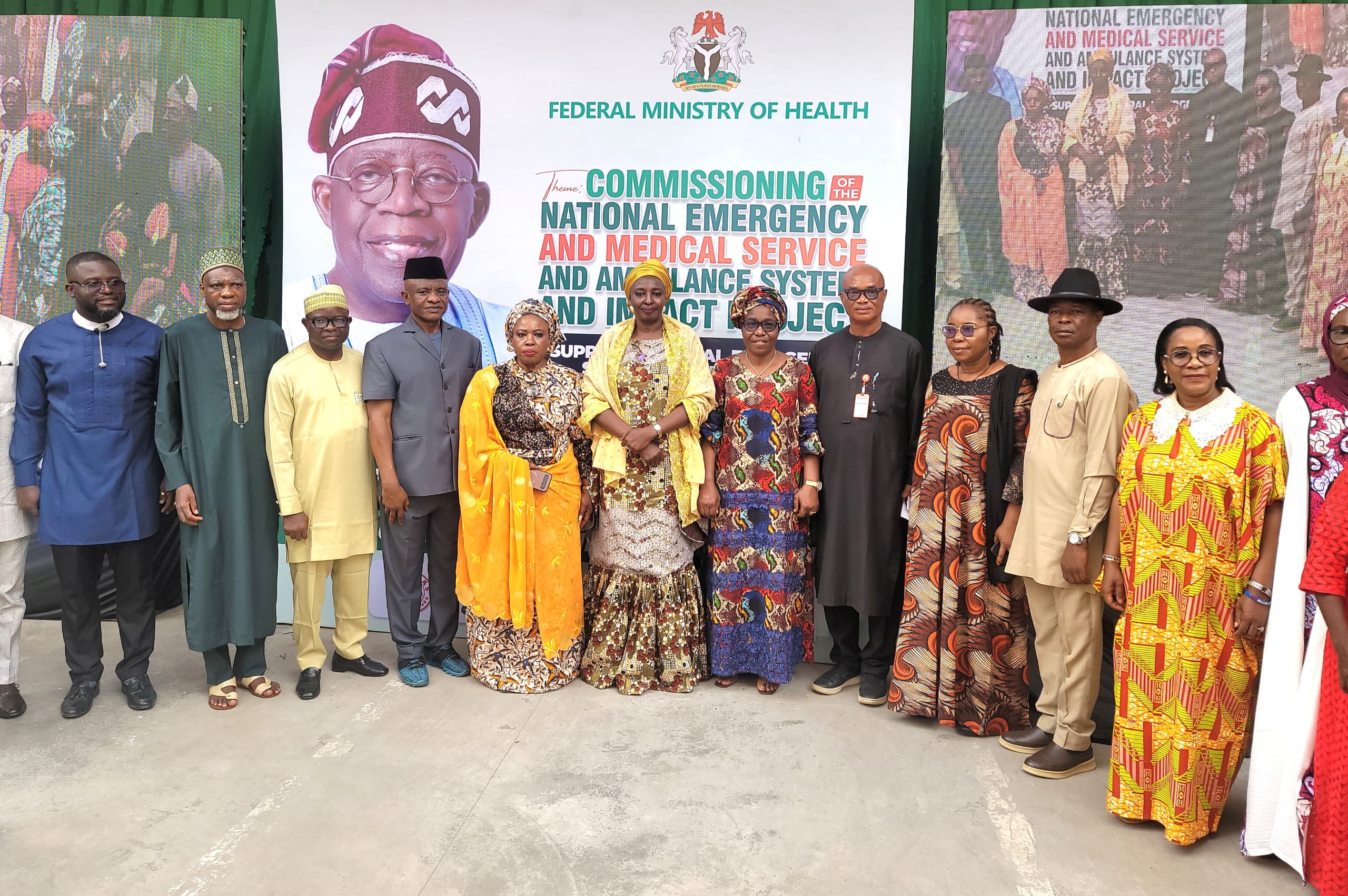
President Bola Ahmed Tinubu has launched a series of nationwide health infrastructure projects alongside 145 tricycle ambulances aimed at strengthening Nigeria’s emergency medical response system and expanding access to healthcare services across all geopolitical zones.
The commissioning, held virtually on Friday, 29 May 2026, featured health projects spanning primary, secondary and tertiary institutions across the country. The interventions are part of ongoing efforts to improve healthcare delivery, reduce mortality from emergencies, and expand access to quality medical services, particularly in underserved communities.
Speaking during the event, President Tinubu reaffirmed his administration’s commitment to ensuring affordable and quality healthcare for Nigerians, noting that the reforms are designed to create a more responsive and unified national health system capable of serving citizens in both urban and rural areas.
The Coordinating Minister of Health and Social Welfare, Muhammad Ali Pate, said the projects reflect measurable progress under the Nigeria Health Sector Renewal Investment Initiative, which targets Universal Health Coverage by 2030. He said the government is focusing not only on infrastructure expansion but also on strengthening immunisation, maternal healthcare, and disease prevention systems nationwide.
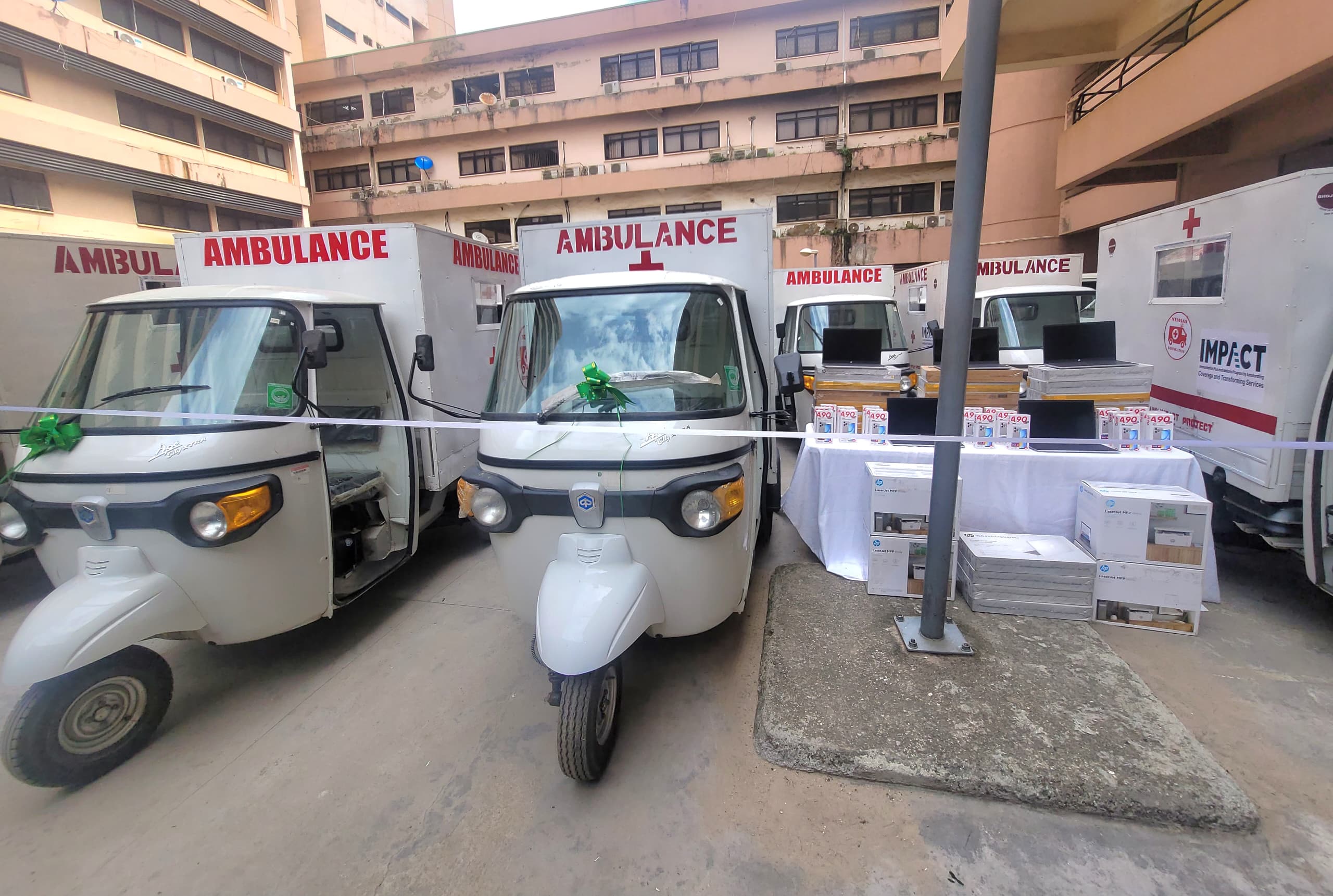
Also speaking, the Minister of State for Health and Social Welfare, Iziaq Adekunle Salako, said the initiatives demonstrate the administration’s resolve to treat healthcare as a fundamental right. He announced the rollout of the National Emergency Medical Service and Ambulance System (NEMSAS) assets, including 145 tricycle ambulances, six boat ambulances, and emergency communication equipment to improve pre-hospital care and response time across difficult terrains.
According to him, several key projects were commissioned across the country, including Emergency Operations Centres in Kano, Sokoto and Katsina, the Lagos Vaccine Hub, primary healthcare upgrades in Delta State, and specialist facilities in federal teaching hospitals such as trauma, mental health, infertility, and laboratory complexes in Zaria, Maiduguri, Bauchi, Uyo and Abuja.
The Permanent Secretary of the Ministry, Daju Kachollom, said the tricycle ambulances would be deployed to primary healthcare centres, particularly in rural communities, with trained personnel to ensure rapid emergency response and patient referral services. She added that communication systems would also be strengthened to improve coordination across facilities.
The Federal Ministry of Health and Social Welfare said the projects were implemented in partnership with agencies including National Emergency Medical Services and Ambulance System, National Primary Health Care Development Agency, the World Bank, the Bill & Melinda Gates Foundation, eHealth Africa, state governments and federal health institutions.
According to officials, over 100 additional projects are lined up for commissioning as part of the administration’s third-year health sector milestones, alongside the revitalisation of more than 4,000 primary healthcare centres and expansion of tertiary health institutions across the country.
