

By Victoria Attah
Customs leaders across West and Central Africa have renewed calls for stronger regional cooperation, digital border management, and intelligence-driven enforcement as member countries grapple with rising illicit trade and the growing demands of regional economic integration.
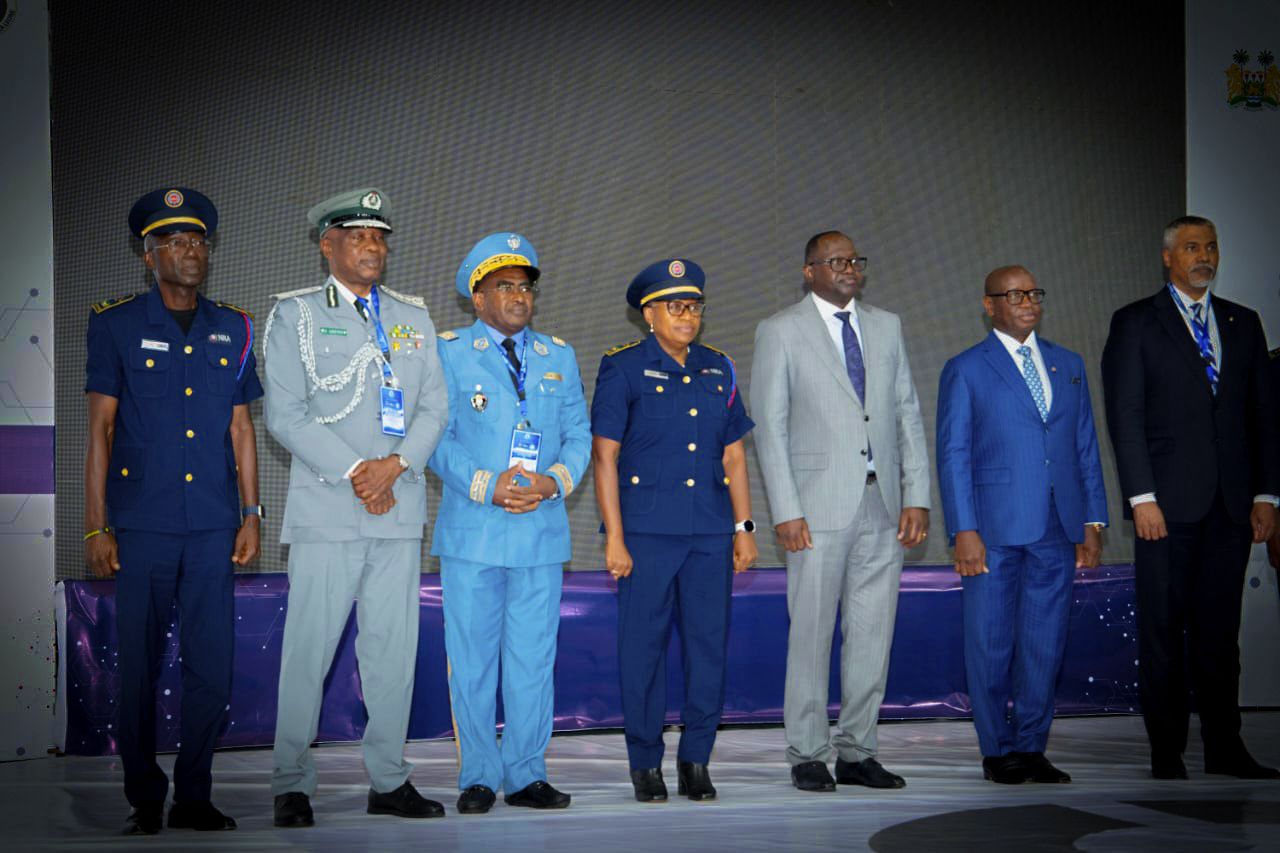
 The discussions took centre stage at the 32nd Conference of Directors-General of Customs of the West and Central Africa region held in Freetown, Sierra Leone, where senior Customs officials reviewed strategies aimed at modernising border operations and improving coordination across the region.
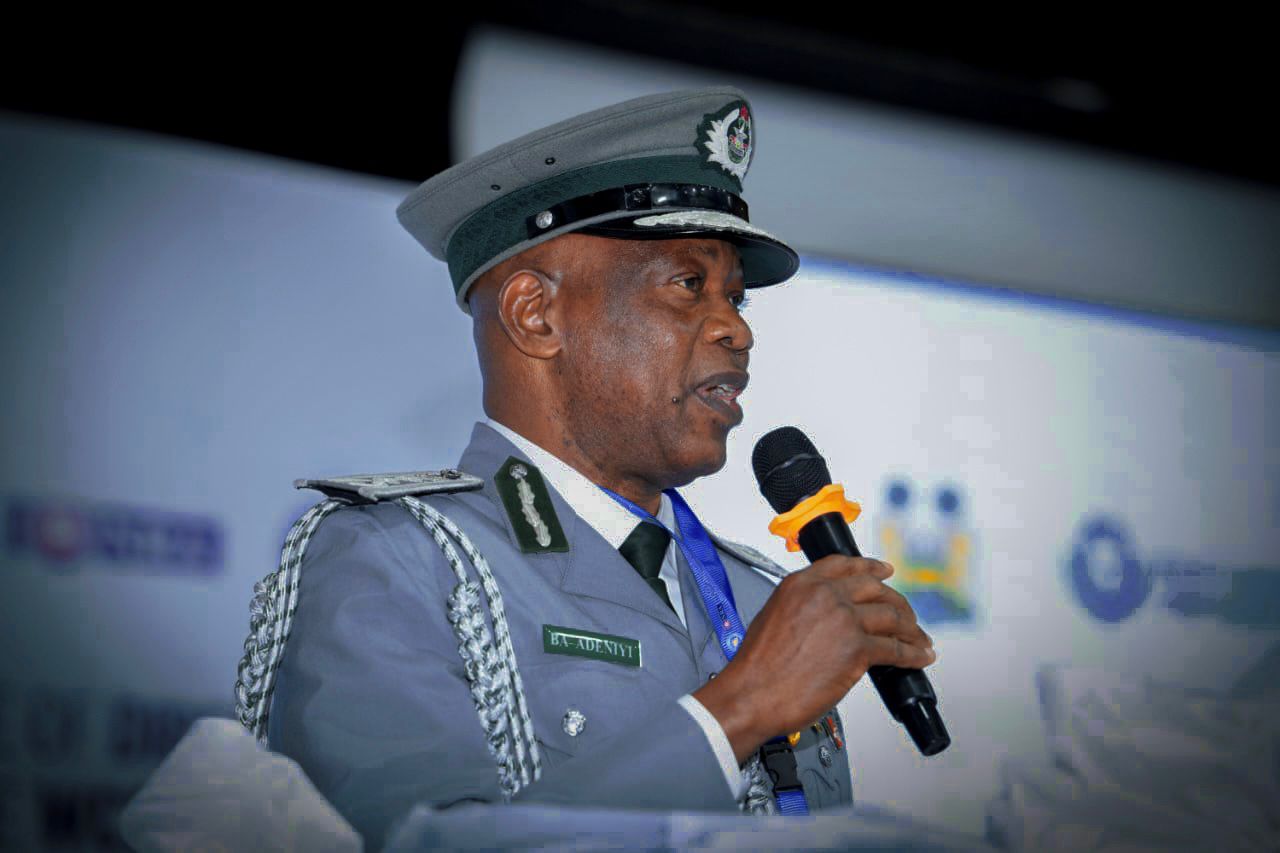
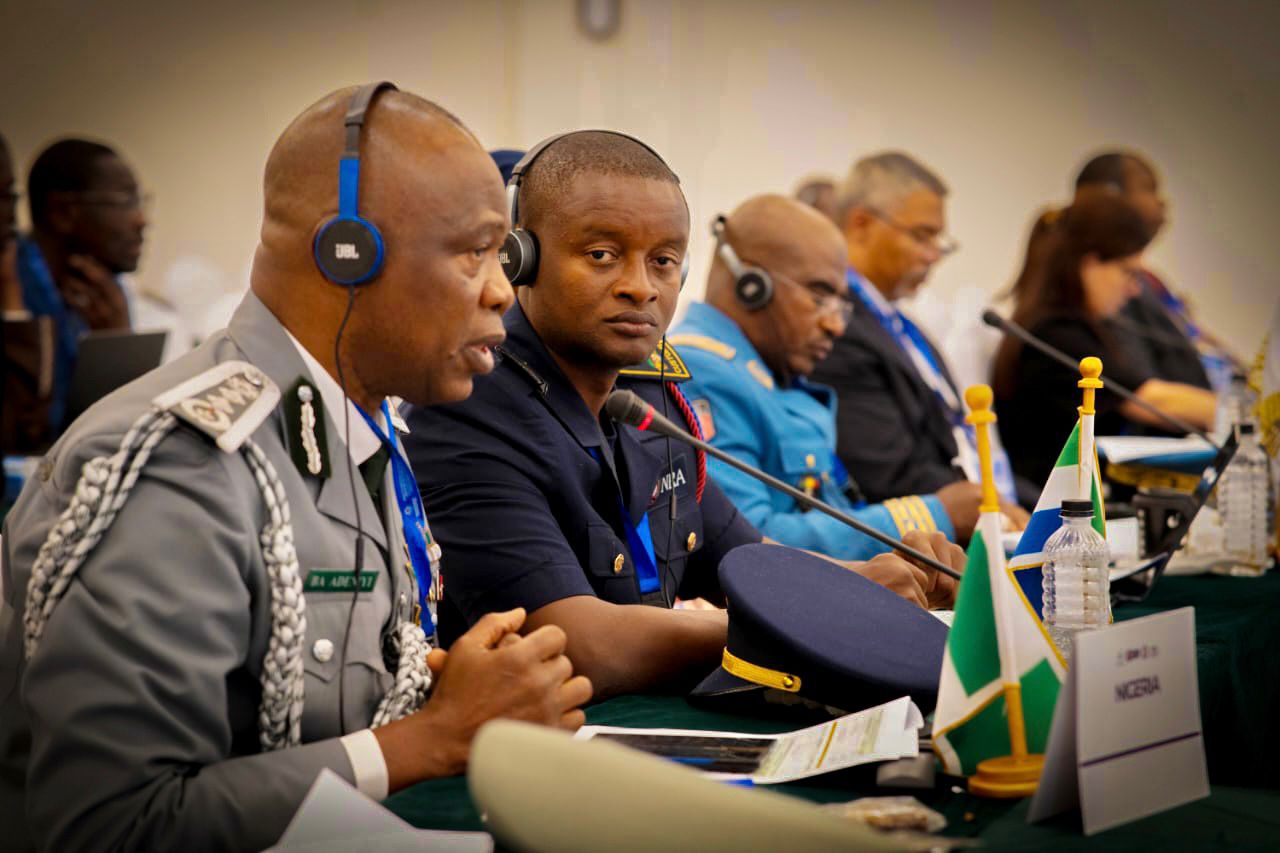
Leading Nigeria’s delegation, the Comptroller-General of the Nigeria Customs Service, Adewale Adeniyi, said regional progress would depend largely on how effectively Customs administrations embrace collective reforms and information sharing.
According to him, countries within the region must continue to work together in tackling smuggling networks, improving trade facilitation, and strengthening border surveillance without undermining legitimate trade activities.
The conference, which drew Customs administrators from across West and Central Africa, focused heavily on digital transformation and the shift from traditional enforcement methods to technology-driven and intelligence-led operations.
Delegates examined issues surrounding the implementation of Single Window systems, cross-border data exchange, and the ECOWAS SIGMAT platform designed to improve transit monitoring and cargo verification within the sub-region.
Discussions also reflected growing concerns over the pressure the African Continental Free Trade Area (AfCFTA) could place on border systems if member states fail to harmonise Customs procedures and strengthen coordinated enforcement mechanisms.
While addressing participants, Adeniyi noted that cooperation among member states has remained one of the strongest pillars sustaining the region’s Customs framework over the years.
He described the region’s rotational leadership structure as a symbol of shared responsibility among member countries, stressing that no nation should be left behind in ongoing Customs reforms and modernisation efforts.
The summit was officially opened by Sierra Leone’s President, Julius Maada Bio, who urged countries in the region to deepen collaboration in trade facilitation, border security, and economic integration.
Participants also reviewed reports from the World Customs Organization Secretariat and regional private sector working groups as part of broader efforts to improve administrative efficiency and strengthen engagement between Customs authorities and business operators.
At the close of the conference, delegates elected the Central African Republic as the new Vice Chair of the region, succeeding Mali following the completion of its tenure.
