

By Joy Onu
The Federal Government has moved to fast-track road projects in Kogi State, with Minister of Works, David Umahi, outlining steps to restructure key contracts for faster delivery and improved durability.
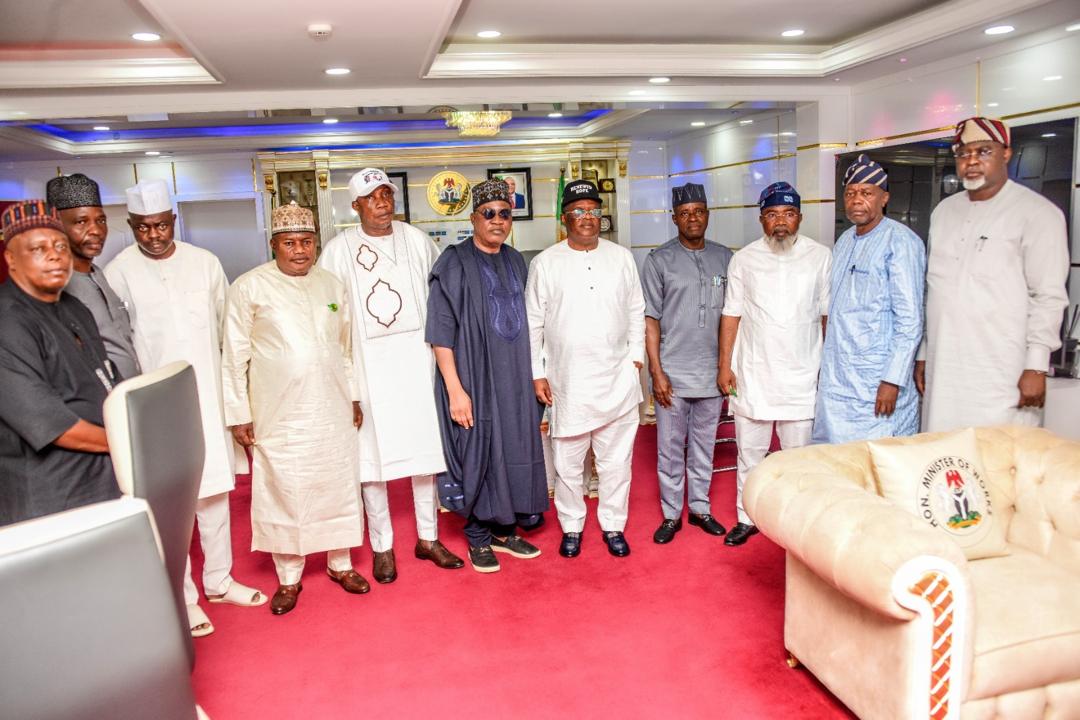
This was made known during a high-level engagement with the Kogi State Commissioner for Works, Salam Ozige Deedat, where both sides reviewed progress on major federal road corridors and agreed on the need to accelerate execution.
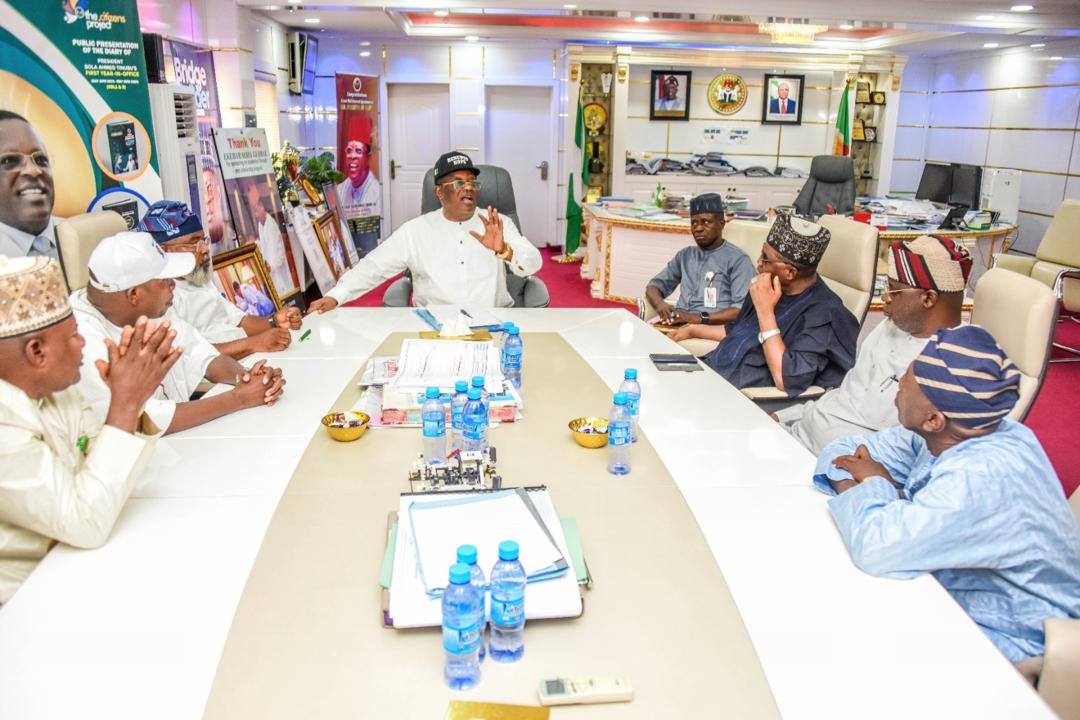
Deedat commended ongoing federal interventions across key routes, particularly the Abuja–Lokoja–Okene axis, noting increased visibility of work in recent times. He also acknowledged the minister’s early visit to Kogi after assuming office, describing it as a demonstration of commitment.
However, he raised concerns over delays in some sections, especially areas involving flyover construction, which have contributed to traffic congestion and require urgent attention. He further highlighted strategic routes such as Okene–Ajaokuta and Takete–Mopa–Isanlu–Egbe, stressing the need for faster intervention given Kogi’s strategic location.
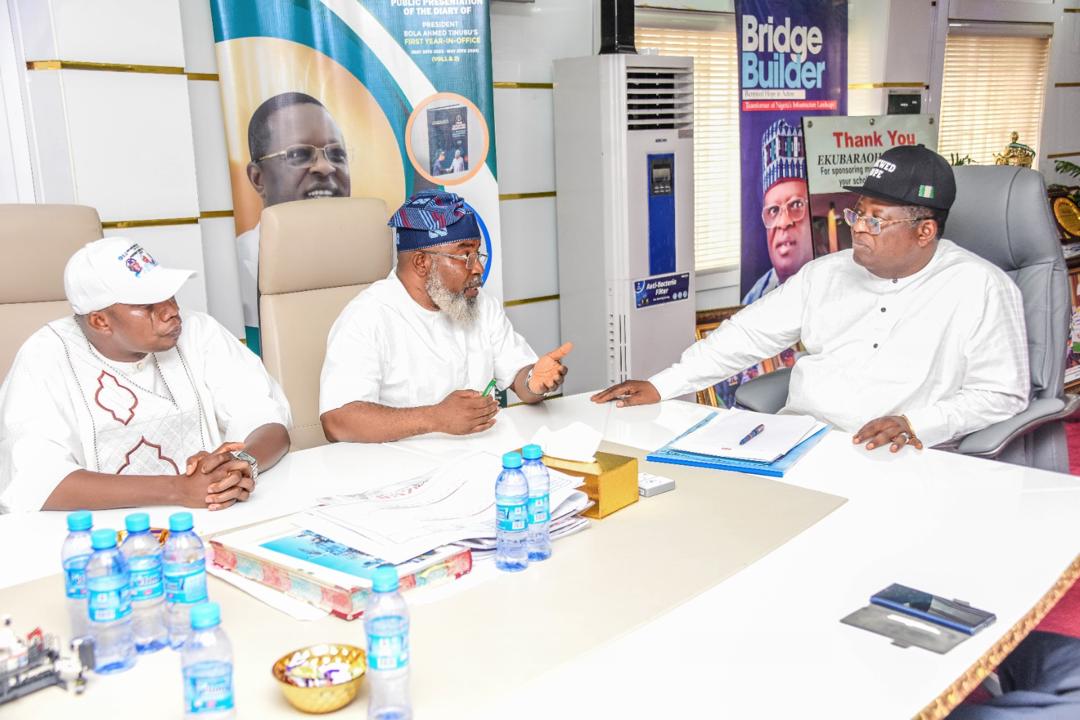
Responding, Umahi said funding remains a major challenge affecting infrastructure delivery nationwide, even as the Federal Government intensifies efforts to bridge the country’s road deficit. He noted that ongoing projects are being reviewed and restructured to ensure accountability and better performance.
On the Abuja–Lokoja corridor, the minister disclosed that extensive reconstruction is underway, with multiple contractors handling different sections. He explained that several stretches have been redesigned from asphalt to concrete pavement to improve durability and reduce maintenance costs.
According to him, key portions previously awarded have been restructured and re-awarded, while remaining sections have been divided among contractors to speed up completion. He added that firms including CGC, CCECC, BUA and others are actively working on various segments, with some already completed or ongoing under concrete pavement technology.
Umahi also linked infrastructure development to national security, noting that poor road networks can worsen insecurity. He revealed plans to introduce solar-powered lighting and CCTV surveillance along major highways such as the Abuja–Lokoja Expressway to enhance safety and monitoring.
He provided updates on other national projects, including the Trans-Saharan Highway, the Makurdi–9th Mile corridor, and the Kabba–Ado Ekiti road, noting that they form part of the government’s broader infrastructure programme captured within the 2024–2026 budget cycle.
The minister called for stronger collaboration between federal and state governments, urging sub-national authorities to support infrastructure delivery through complementary interventions such as maintenance and foundational works.
He reiterated the government’s commitment to adopting durable construction technologies, particularly concrete pavement, to ensure Nigerian roads withstand heavy usage and environmental pressures over time.
