


By Joy Onu
The Federal Government has stepped up efforts to reposition Nigeria’s Special Economic Zones (SEZs) as drivers of export growth, industrial development, and job creation, as stakeholders met in Abuja on Thursday to review ongoing reforms.
The ministry said in a statement by its Head, Press and Public Relations, Obilor-Duru Augustina Okechi, that the Minister of Industry, Trade and Investment, Jumoke Oduwole, met with members of the Nigeria Economic Zones Association (NEZA) to discuss policy adjustments and strategies to improve the performance of the country’s economic zones.
Oduwole reaffirmed the government’s commitment to strengthening the regulatory and operational framework governing the zones, saying reforms are aimed at boosting investor confidence, improving efficiency, and expanding export capacity.
She stressed the need for sustained collaboration between government and industry stakeholders in shaping the future of the sector.
“Our focus is on building a sustainable legacy of reforms that will unlock exports, create jobs, and improve the competitiveness of our economic zones,” she said.
She added that ongoing regulatory reviews are designed to remove inefficiencies and align the zones with global investment standards.
Also speaking, the Permanent Secretary in the ministry, Chris Osa Isokpunwu, described the engagement as a step toward deeper collaboration with the private sector, noting that sustained dialogue would strengthen policy development and implementation.
NEZA Chairman, Nabil Saleh, said the association’s engagement with the ministry was aimed at strengthening coordination on repositioning the zones for industrialisation and export-led growth.
He said despite Nigeria’s economic potential, coordination gaps and procedural delays continue to limit performance.
“With better coordination, clear dispute resolution processes, and measurable performance tracking, Nigeria’s SEZs can become globally competitive investment destinations,” he said.
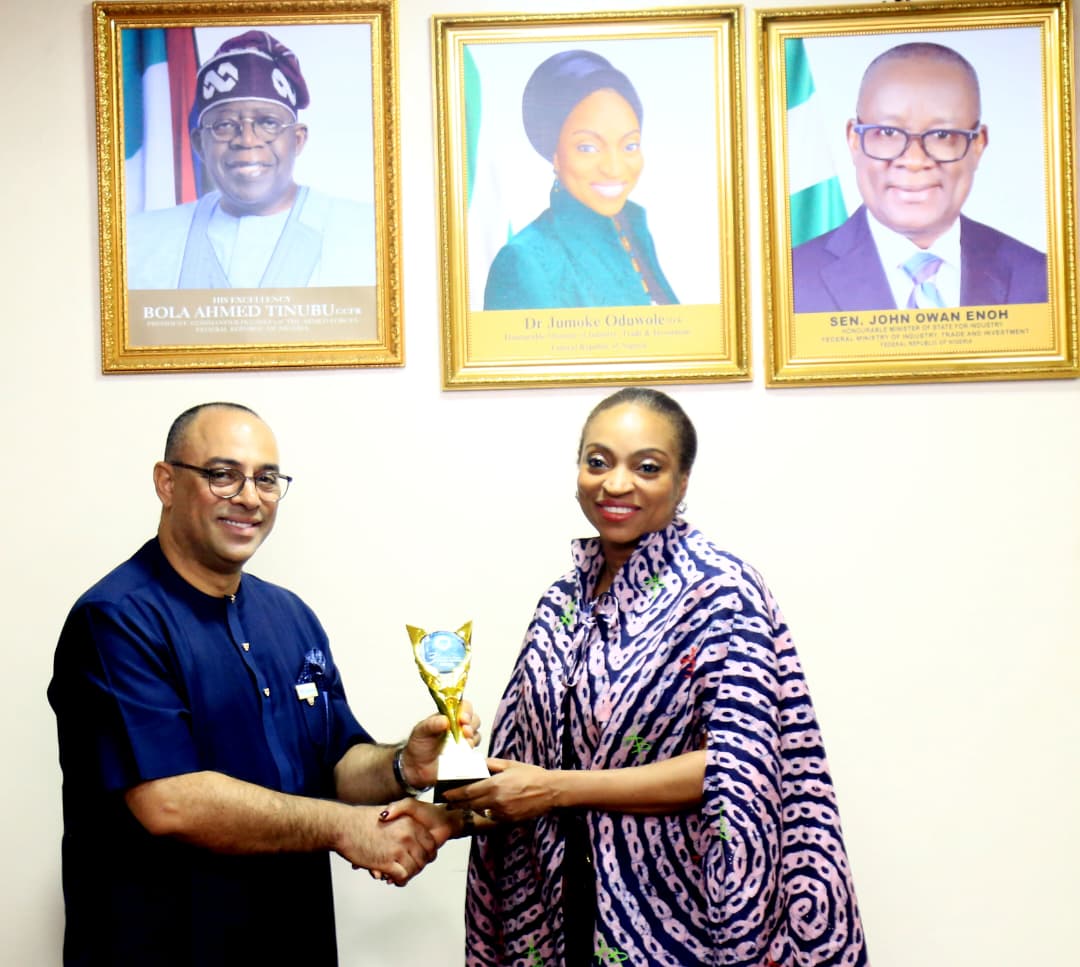
The meeting ended with a commitment by both sides to accelerate reforms and improve implementation aimed at positioning the zones as catalysts for sustainable growth and international trade expansion.
