

By Joy Onu
Nigeria and China have signed a framework agreement aimed at strengthening economic cooperation and expanding trade relations between the two countries.
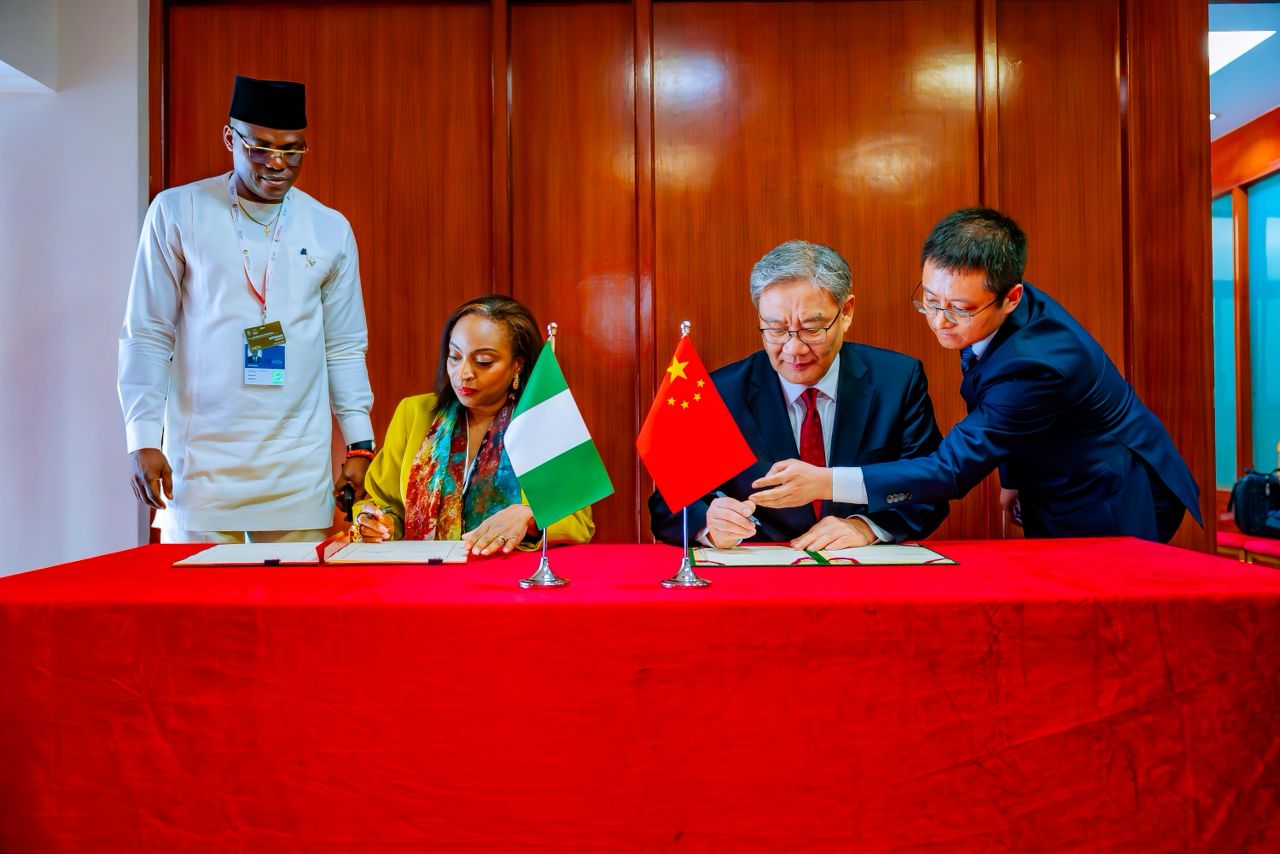
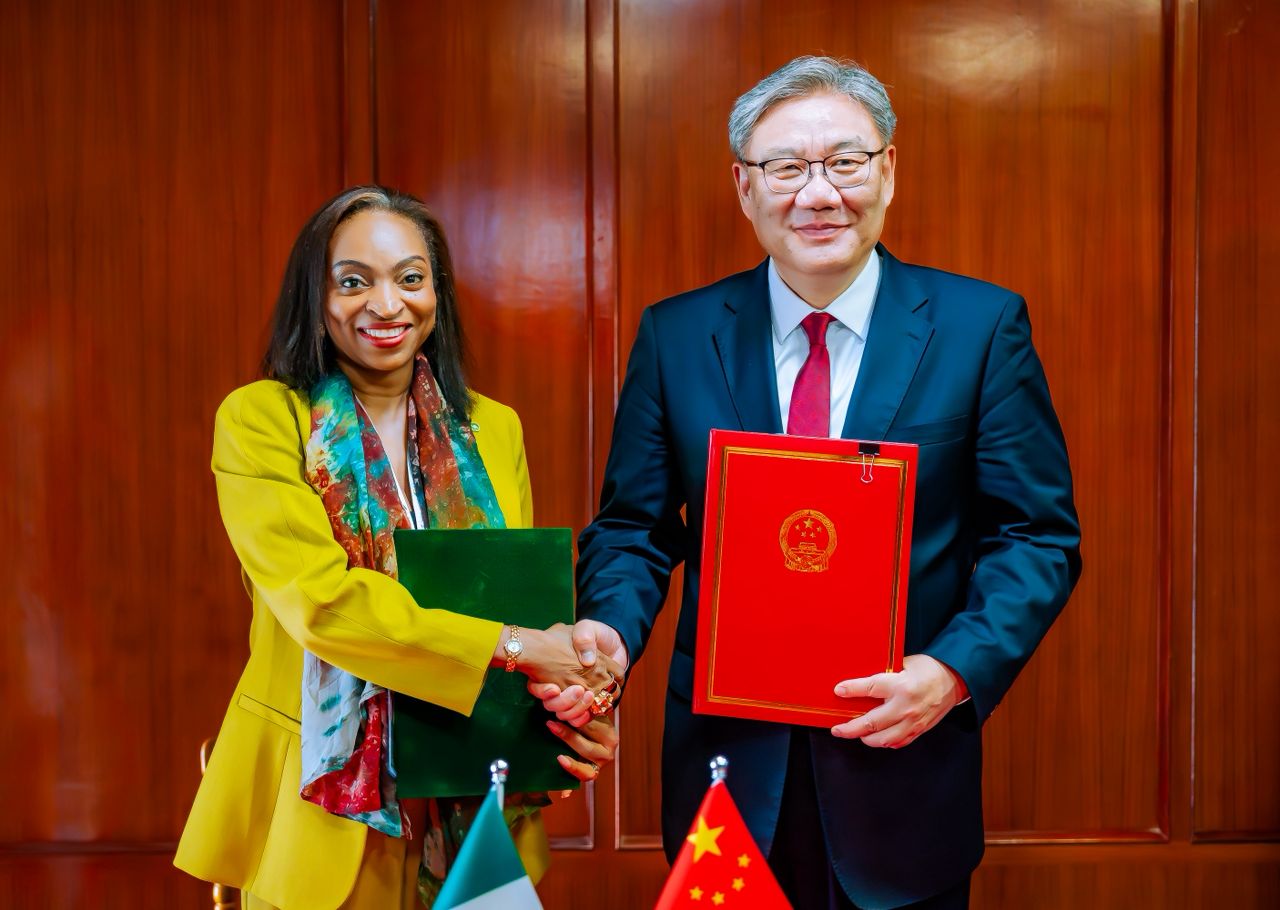
The agreement was signed on Friday in Yaoundé by Nigeria’s Minister of Industry, Trade and Investment, Jumoke Oduwole, and China’s Minister of Commerce, Wang Wentao.
The Framework Agreement on Economic Partnership for Shared Development is designed to create a structured but flexible platform for future negotiations and cooperation between both countries, according to the Federal Ministry of Industry, Trade and Investment.
Under the arrangement, Nigeria and China will focus on four key areas of collaboration: trade facilitation, inclusive and green growth, resilient supply chains, and the digital economy. Officials said additional cooperation modules will be developed and implemented as both countries reach further agreements.
Speaking during the signing ceremony, Dr. Oduwole said the agreement reflects Nigeria’s commitment to building stronger international partnerships that support economic development.
She explained that the framework will help guide future engagements between the two countries in sectors considered vital to Nigeria’s economic priorities.
“This Agreement provides a structured yet flexible platform for deepening economic cooperation between Nigeria and China in areas critical to our national development priorities,” she said.
Dr. Oduwole added that Nigeria’s trade policy is focused on achieving tangible benefits for citizens through industrial development, job creation, and increased exports.
“Our engagement is guided by the imperative of industrialization, job creation, and export diversification aligned with the Renewed Hope Agenda of President Bola Ahmed Tinubu,” she stated.
She further noted that Nigeria will continue to pursue partnerships that strengthen its role in regional and global value chains while promoting inclusive and sustainable growth.
Government officials said the agreement forms part of Nigeria’s broader strategy to expand trade and investment partnerships and enhance its competitiveness in the global economy, while positioning the country as a key economic hub within Africa.
