

By Joy Onu
Years of deadly accidents, tanker explosions, and crippling traffic on the Enugu–Onitsha Expressway may soon be over, as the Minister of Works, David Umahi, announced that the long-troubled highway is nearing a major turnaround.
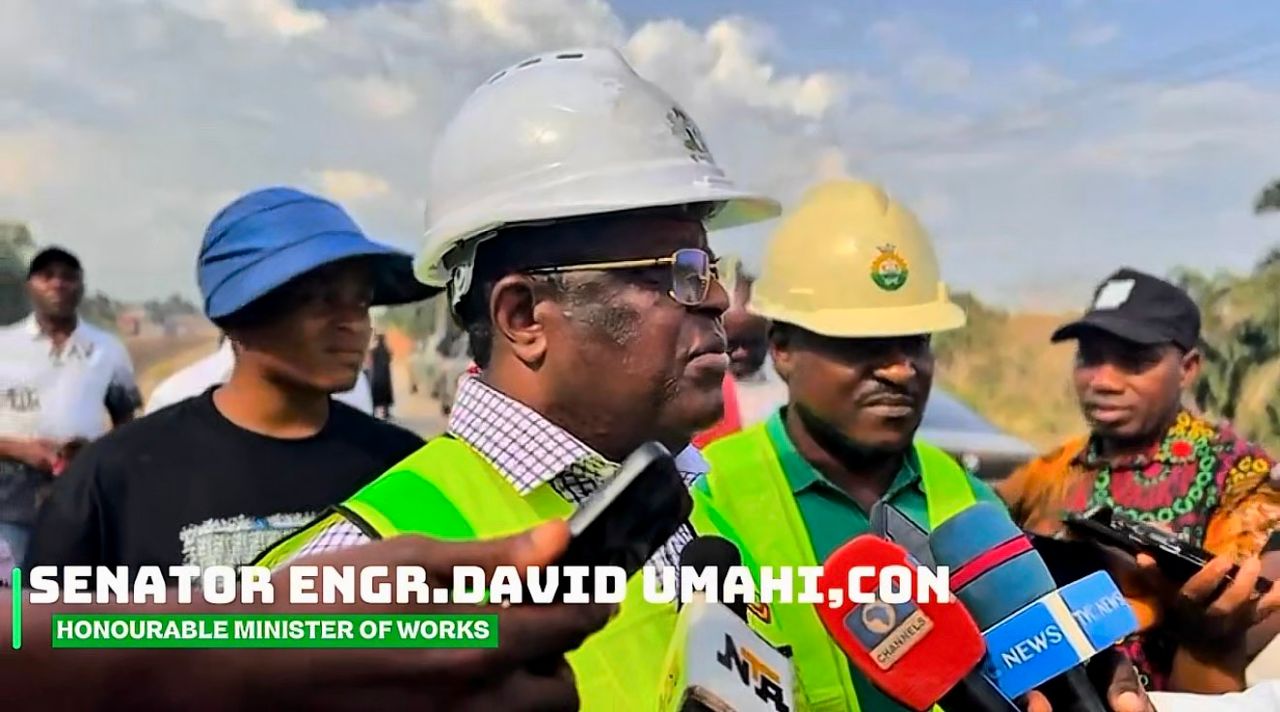
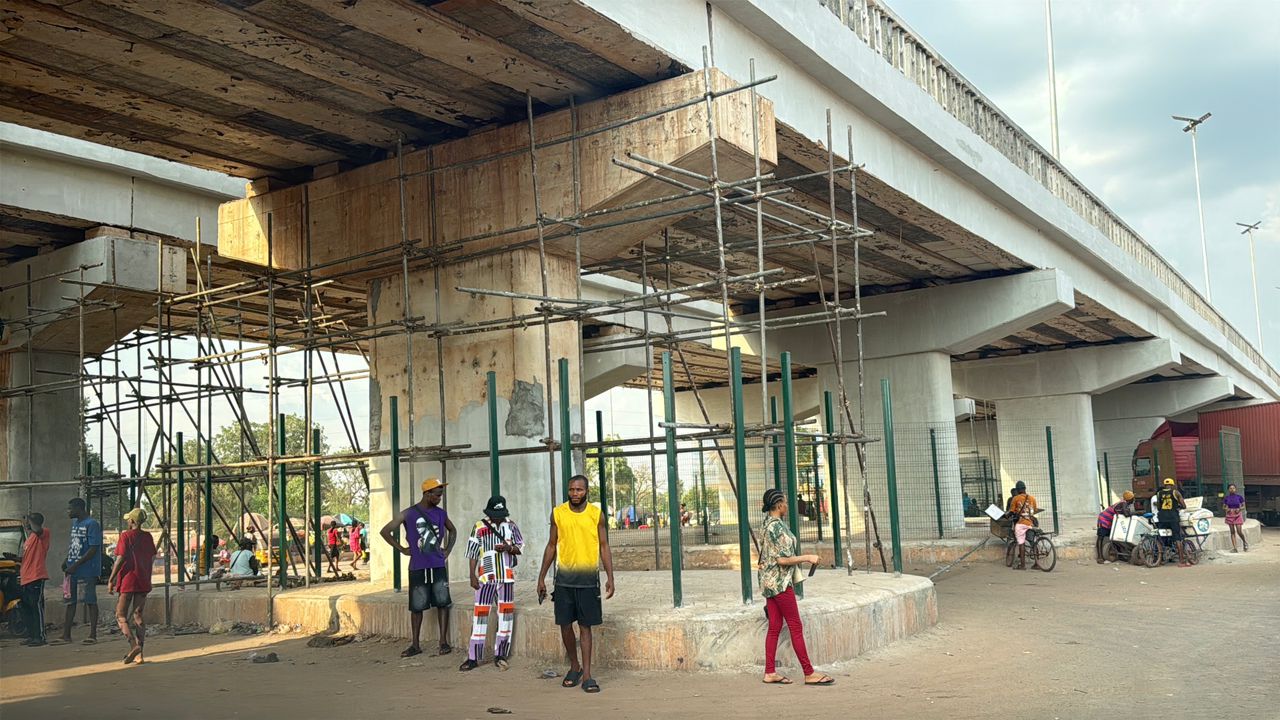
Umahi made the declaration on Monday, March 23, 2026, during an inspection of ongoing federal road projects in Enugu State, including the Enugu–Onitsha Expressway and the Eke-Obinagu Flyover. The visit forms part of a nationwide assessment of key infrastructure projects expected to be ready for commissioning before May 29 by President Bola Ahmed Tinubu.
During the inspection, the minister expressed confidence that the era of frequent fatal accidents and persistent gridlock along the busy corridor is gradually coming to an end, citing ongoing reconstruction and upgrades on the strategic South-East highway.
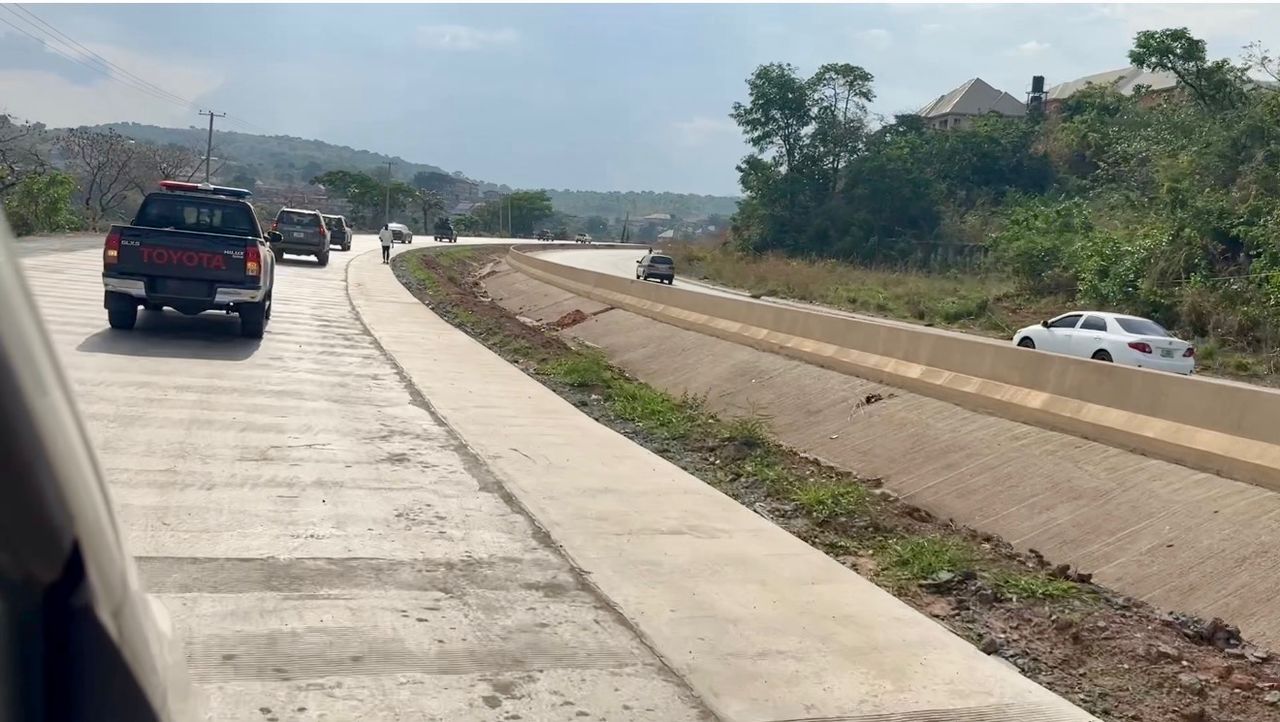
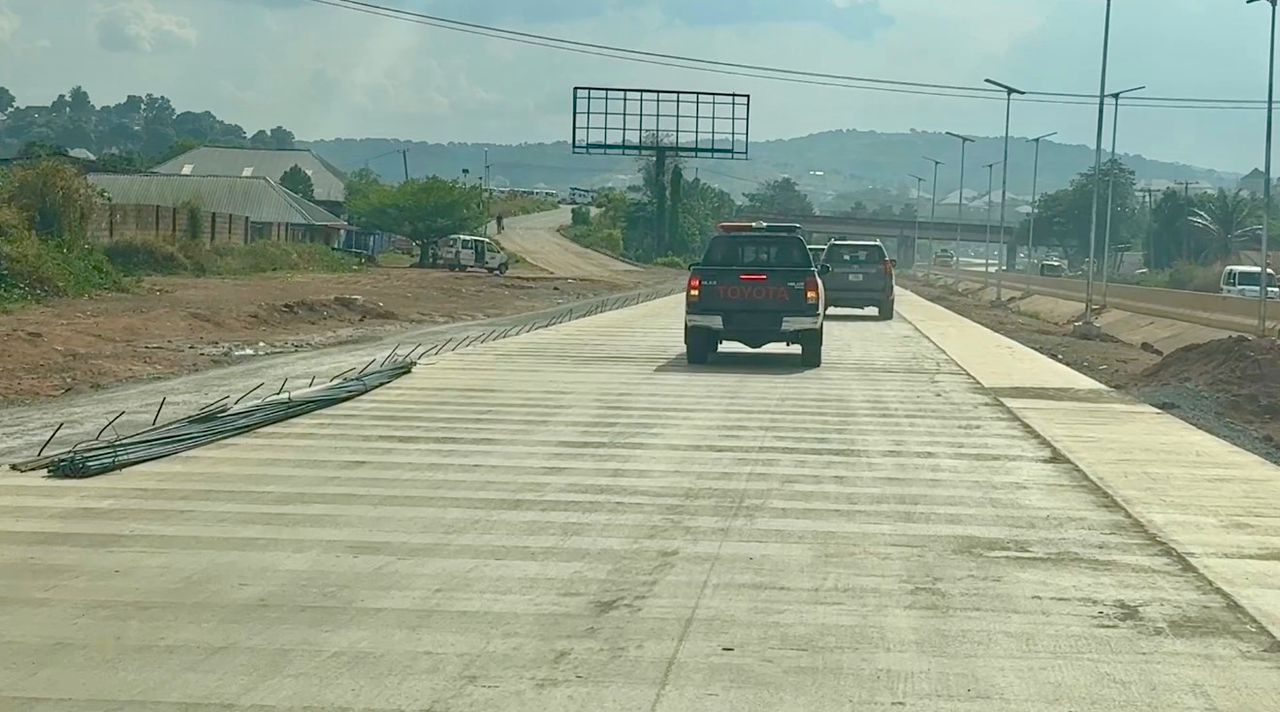
According to him, the dual carriageway, which spans about 107 kilometres on each side, is undergoing significant structural improvement, with sections of the road being converted from asphalt to concrete pavement to enhance durability.
Umahi explained that the approach was deliberately adopted to ensure long-term stability of the highway, noting that even if asphalt sections deteriorate over time, concrete portions would remain intact.
The minister also disclosed that the reconstruction work extends to sections in Anambra State, particularly around the Head Bridge axis, where the original asphalt design is being replaced with concrete pavement in line with modern highway construction standards.
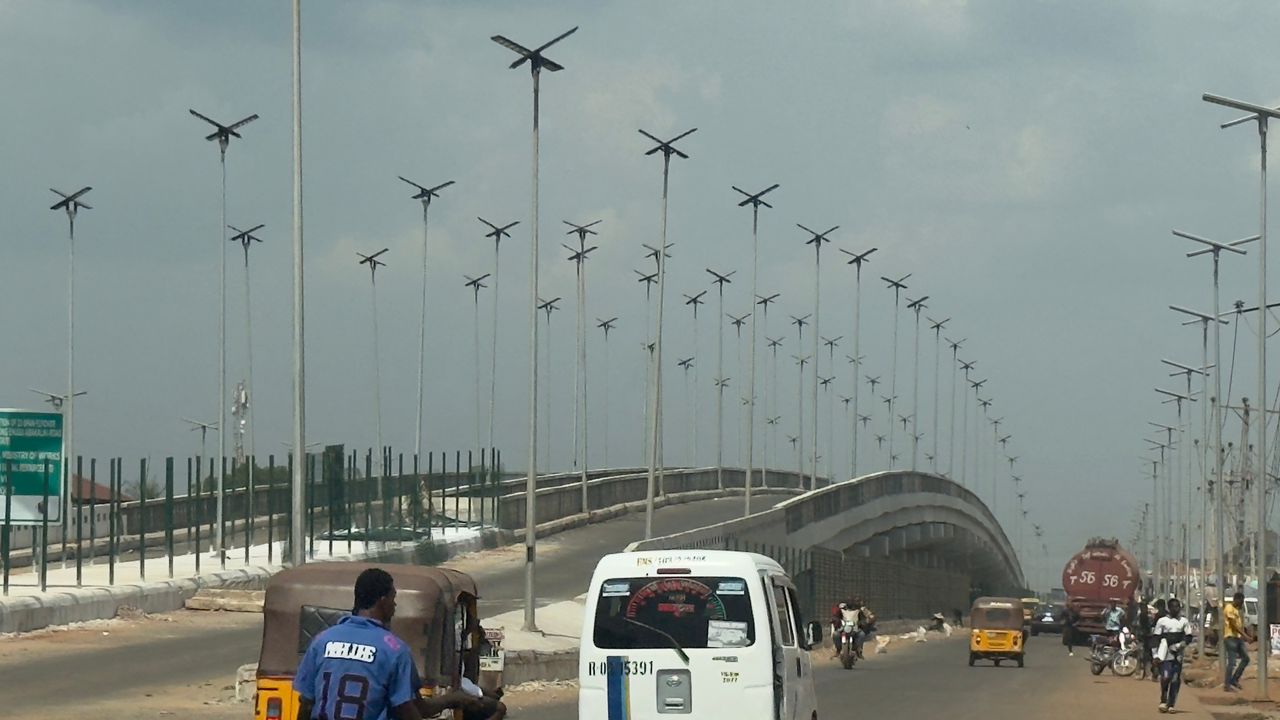
Beyond the road reconstruction, the project also includes the installation of solar-powered street lights and the planting of trees along the corridor to improve safety and environmental sustainability.
Umahi urged residents of the South-East to acknowledge what he described as increased federal attention to infrastructure development in the region, noting that large-scale federal road projects were previously limited in some states.
He further directed that the Enugu–Onitsha Expressway be reopened for public use on or before March 31, instructing the federal controller of works to notify the public and formally announce the reopening of the highway.
Addressing concerns about the cost of the project, the minister clarified that road project pricing undergoes multiple layers of approval before execution, including scrutiny by the Bureau of Public Procurement and the Federal Executive Council.
He added that the engineering standards being applied to the Enugu–Onitsha project are similar to those used on other major national road developments, including the Lagos-Calabar Coastal Highway and the Sokoto-Badagry Super Highway.
Once completed, the revamped expressway is expected to significantly improve transportation between Enugu and Onitsha, ease traffic pressure, and enhance economic activities along one of the South-East’s most important commercial corridors.
