

By Joy Onu
The Federal Government has reaffirmed its commitment to delivering the 1,068-kilometre Sokoto–Badagry Superhighway, presenting it as a flagship infrastructure initiative with wide-ranging economic and social benefits. Analysts, however, note that the project’s scale and history of delays have placed it under heightened public scrutiny.
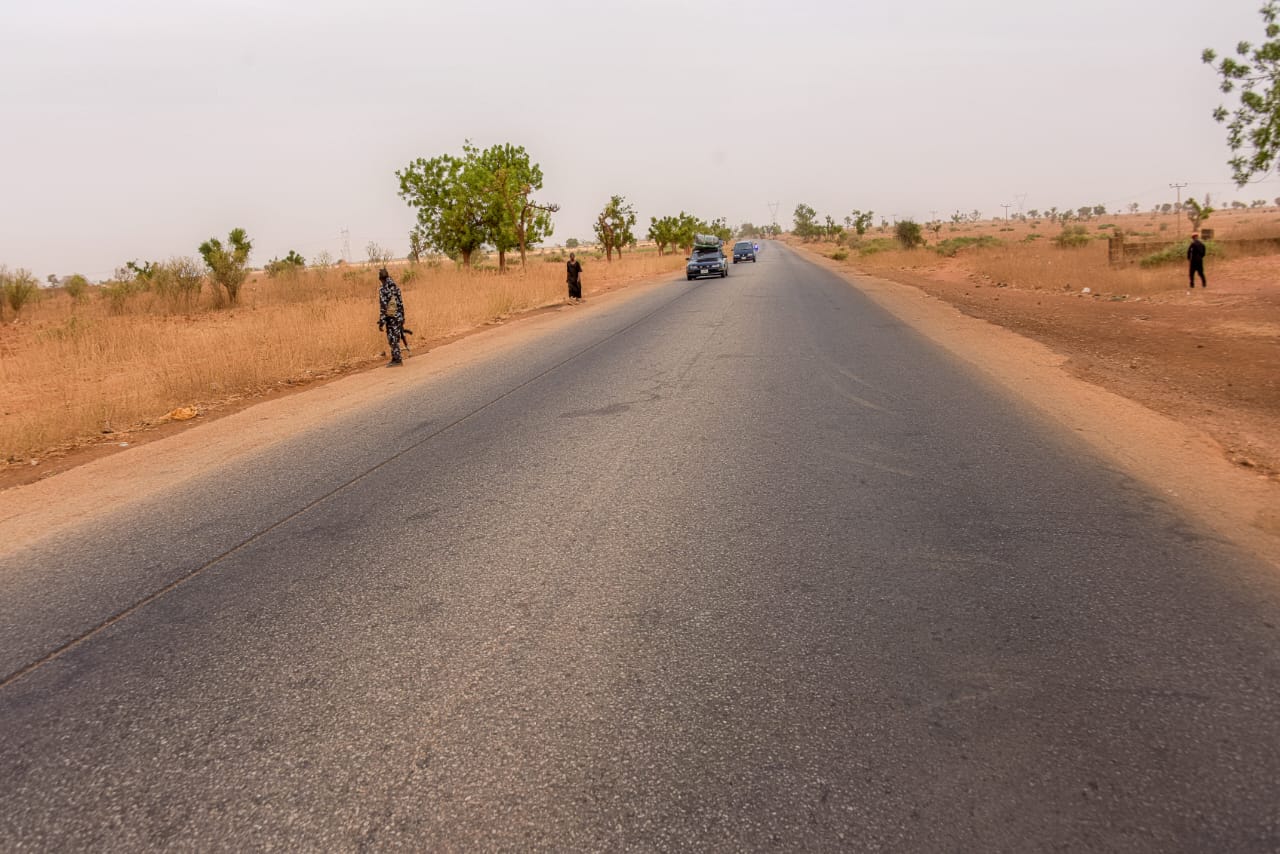
In a press statement issued to the media on Friday, January 23, 2026, Mohammed A. Ahmed, Director, Information and Public Relations at the Federal Ministry of Works, said the highway which cuts across Sokoto, Kebbi, Niger, Kwara, Oyo, Ogun, and Lagos States is one of four legacy road projects of President Bola Ahmed Tinubu’s administration. He noted that the project is designed to enhance connectivity, stimulate trade, and strengthen national integration. Stakeholders, however, continue to closely monitor delivery timelines and construction quality.
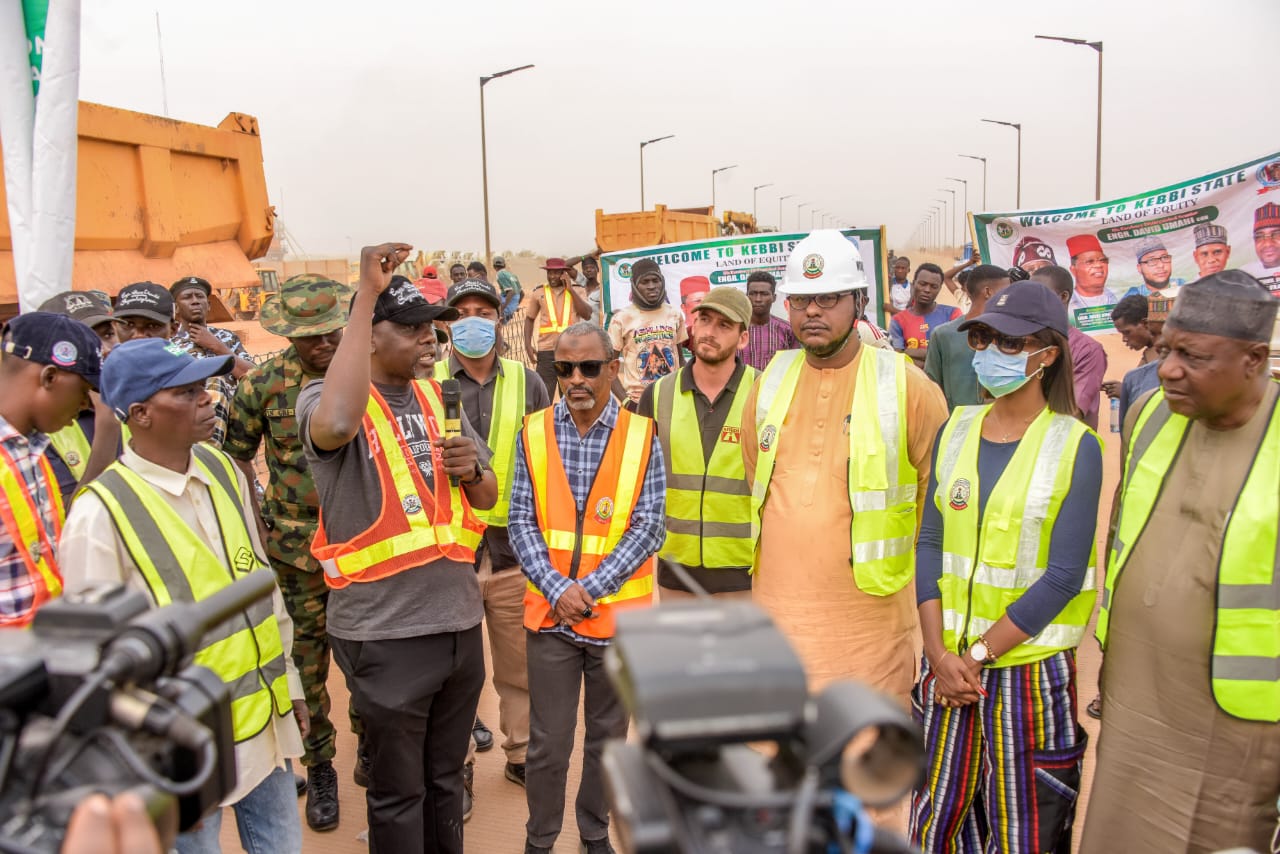
Speaking during the National Media Tour and commissioning of emergency road intervention projects in Kebbi State on Tuesday, January 21, 2026, Ahmed said the tour allowed journalists, stakeholders, and community representatives to physically assess the progress of work on-site. He added that the exercise was also intended to gauge public perception of federal road delivery, particularly in communities along the corridor where residents and civil society groups have previously expressed concerns.
Providing technical insight, the Federal Controller of Works in Kebbi State, Engr. Ishaya Vandu, disclosed that construction has commenced on a seven-kilometre stretch between kilometre 170 and 177 using Continuous Reinforced Concrete Pavement (CRCP). He added that earthworks have progressed to kilometre 135, while site clearance continues on the remaining 17 kilometres towards the Kebbi–Sokoto boundary.
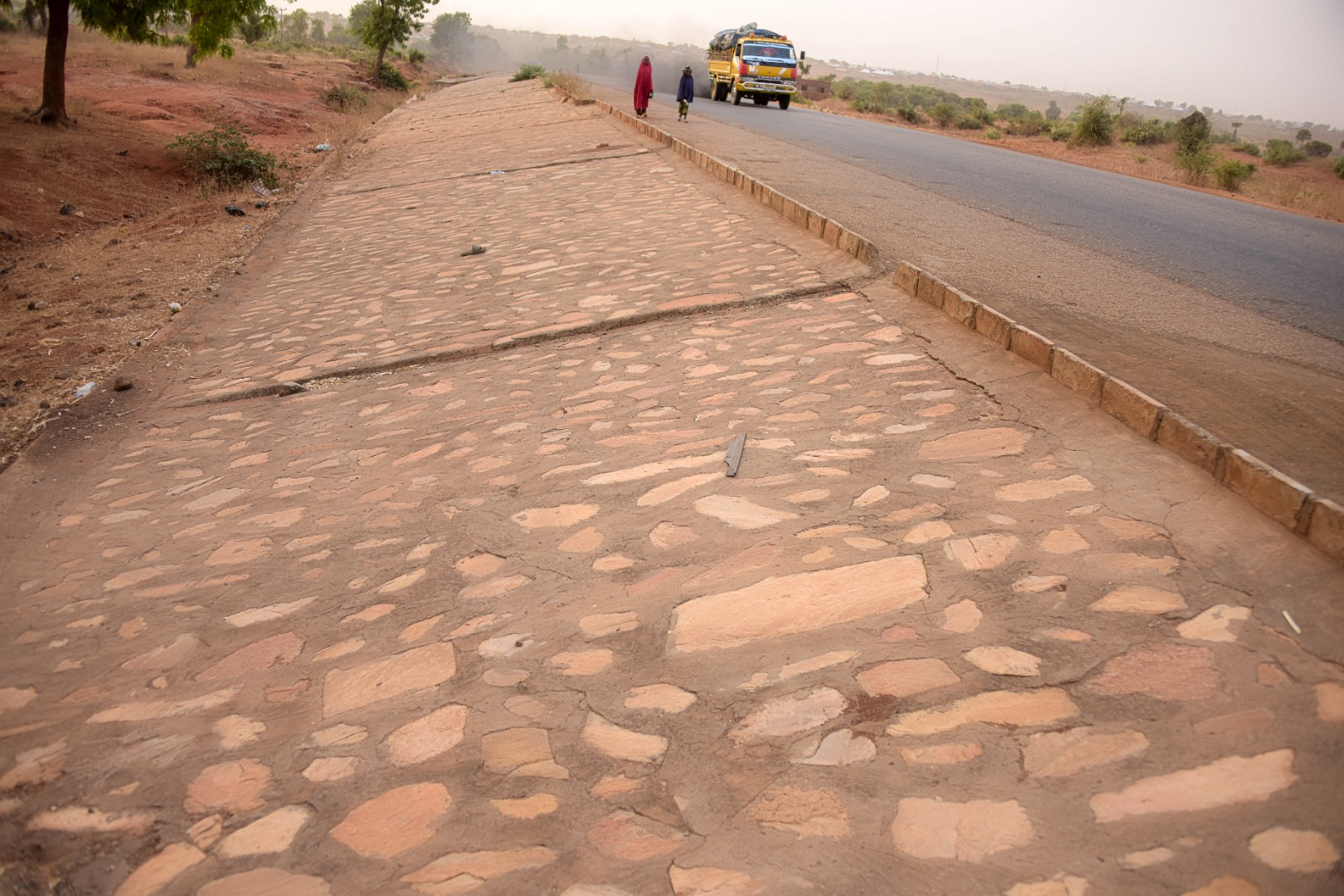
Vandu further revealed that soil stabilisation works covering approximately 25 kilometres have been completed, with reinforcement ongoing. Additional construction teams are also operating from kilometre 348, where about 10 kilometres of site clearance have already been executed. He expressed optimism that more visible progress would be recorded before the second quarter of 2026.
Professional bodies and civil society groups who participated in the inspection offered their assessments of the project. The Immediate Past Chairman of the Nigerian Society of Engineers (NSE), Kebbi Branch, Engr. Adamu Idris, described the work as exceptional. Similarly, the current chairman, Engr. Muhammed Nadeem Abdullahi, urged contractors to sustain both quality and pace.
The Coalition of Civil Society Organisations in Kebbi State, led by Comrade Mansir Isah, noted that the project is already generating employment and boosting local economic activity but stressed the need for consistent oversight to ensure timely completion. The Senior Special Assistant to the President on Community Engagement (North-West), Hon. Abdullahi Tanko Yakasai, dismissed online claims suggesting the project exists only on paper, insisting that physical evidence along the corridor contradicts such narratives.
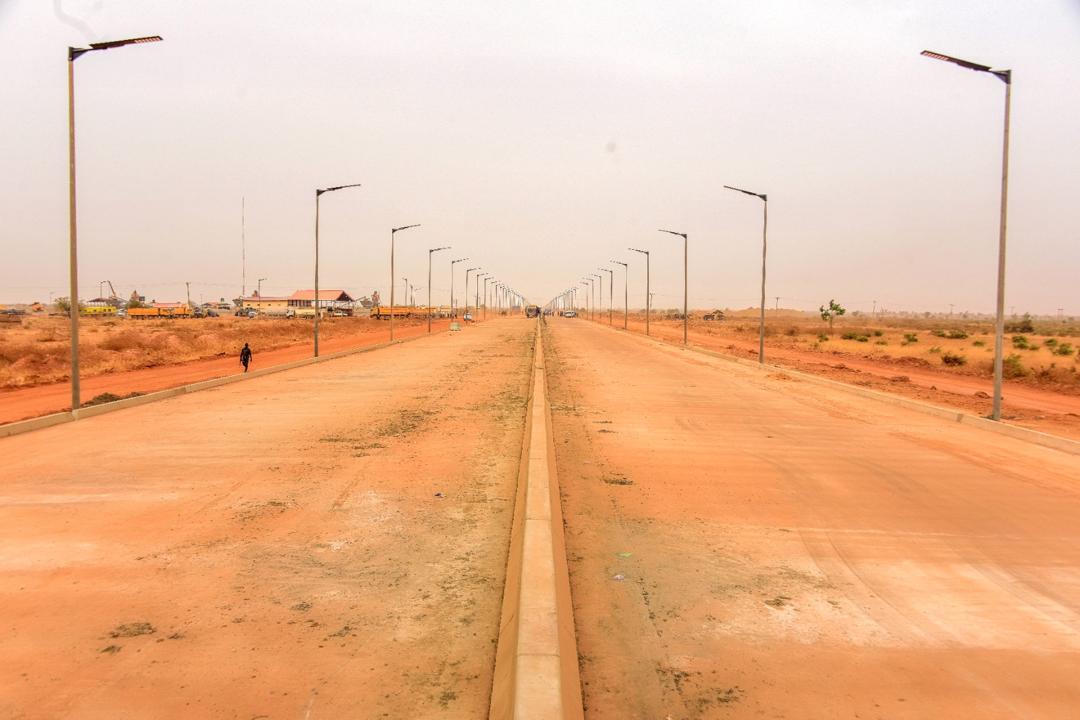
Yakasai also highlighted broader features of the project, including solar-powered street lighting, proposed dams, and rail infrastructure intended to support agriculture, power generation, trade, and logistics. He noted that the Kebbi axis alone spans over 250 kilometres, making it the longest section of the alignment.
In addition to the superhighway tour, three emergency and special intervention projects were commissioned in Kebbi State. These include repairs of flood-damaged embankments and drainage systems along the Jega–Koko–Yauri and Malando border corridors, rehabilitation of the Birnin Kebbi–Argungu–Kaniyaka road, and restoration of flood-affected sections along the Kalgo–Bunza–Kamba route.
The Federal Ministry of Works reiterated its commitment to quality, durability, and timely delivery of infrastructure projects nationwide, positioning road development as a key driver of economic growth under the Renewed Hope Agenda.
