

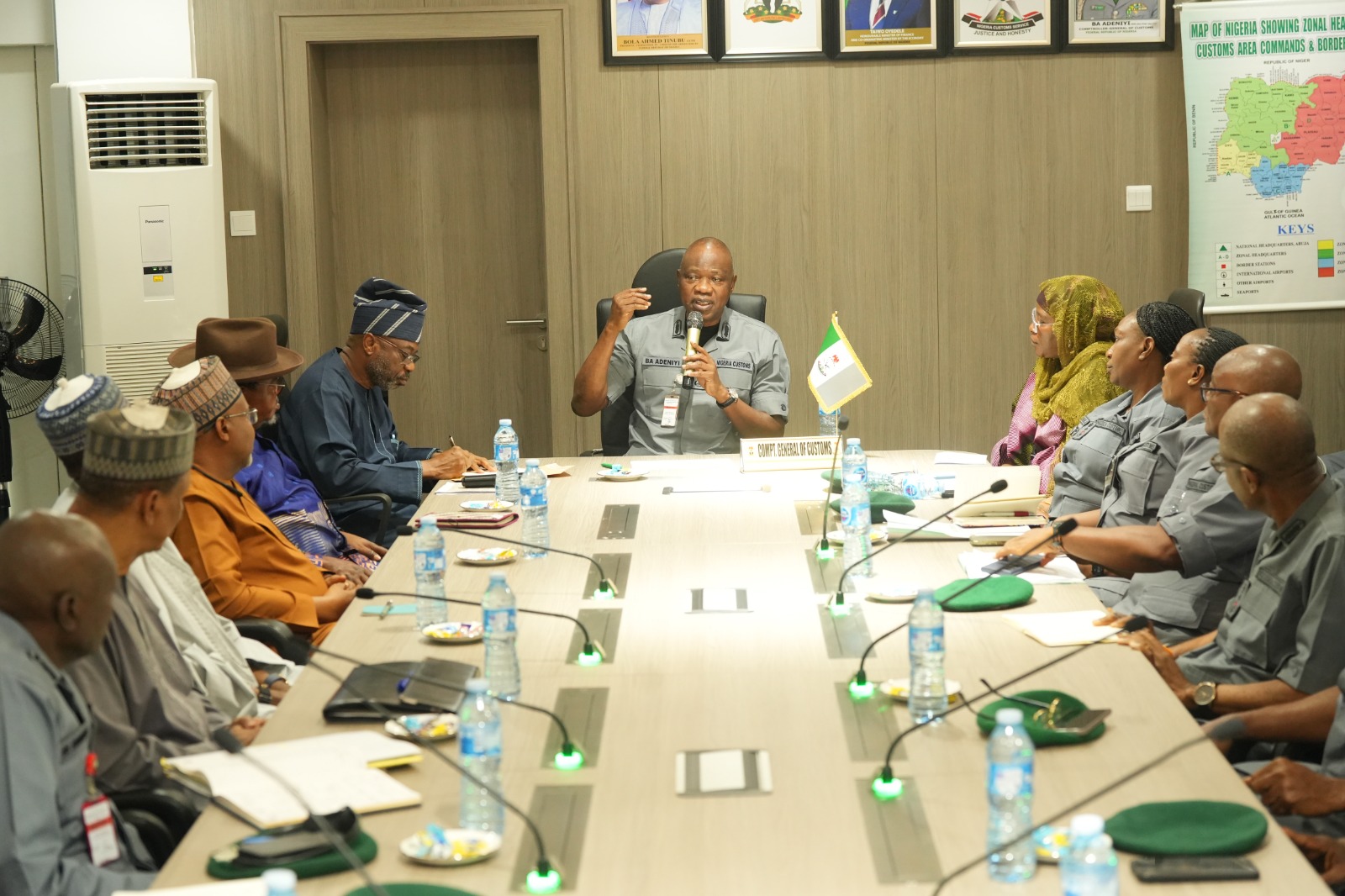
The Nigeria Customs Service (NCS) has moved to tighten its grip on the illicit importation of vegetable oil, unveiling plans for a series of intelligence-driven operations aimed at protecting local investments and strengthening Nigeria’s agricultural value chain.
The initiative was announced by the Comptroller-General of Customs, Adewale Adeniyi, during a strategic meeting with stakeholders in the vegetable oil industry at the Service Headquarters in Abuja.
The move follows increasing concerns within the industry over the economic impact of smuggled vegetable oil products, which operators say are undermining local production capacity, discouraging investment and threatening jobs across the sector.
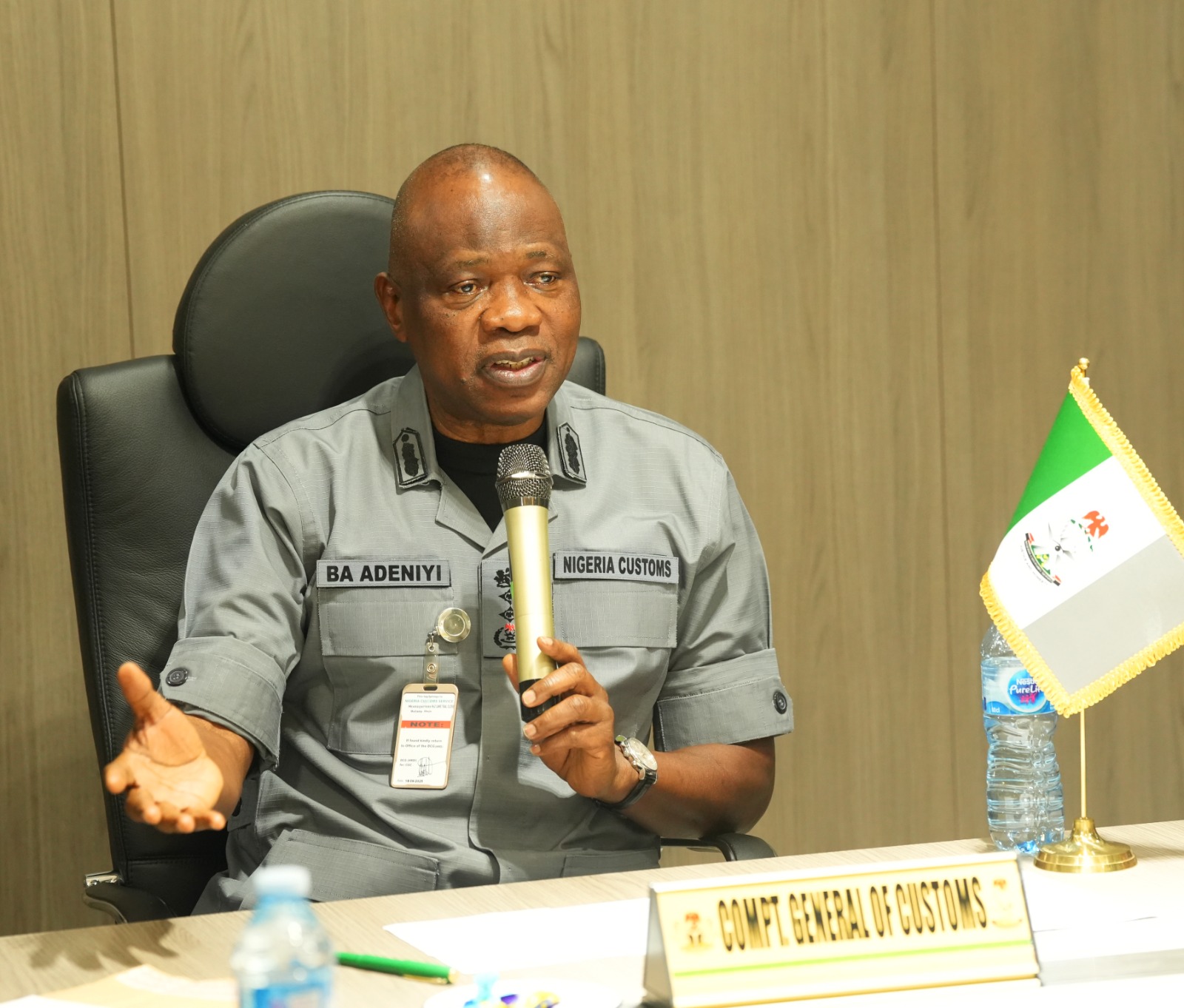
Addressing participants at the meeting, Adeniyi said the Customs Service was committed to deploying a combination of intelligence gathering, targeted enforcement and stakeholder engagement to curb the activities of smugglers.
He noted that safeguarding legitimate businesses remains central to the Service’s mandate, stressing that efforts to combat smuggling are closely linked to the broader objective of stimulating economic growth and encouraging private sector investment.
According to him, success in the fight against illicit trade depends largely on stronger collaboration between regulatory agencies and industry players, particularly in sectors with significant employment and industrial potential.
Adeniyi also urged stakeholders to support ongoing enforcement efforts by providing actionable intelligence capable of helping authorities identify smuggling routes and dismantle illegal supply networks.
The Customs boss reiterated that smuggling remains an evolving challenge requiring sustained vigilance, policy support and effective partnerships between government and the private sector.
Providing an update on enforcement activities, the Deputy Comptroller-General in charge of Enforcement, Inspection and Investigation, Timi Bomodi, disclosed that the Service had recorded notable successes in intercepting smuggled vegetable oil products across the country’s borders.
He revealed that Customs seized 65 consignments of vegetable oil in 2025 and an additional 23 seizures in 2026, with the cumulative Duty Paid Value estimated at N1.314 billion.
Bomodi said a significant number of the interceptions were made along the Seme and Idiroko border corridors, long identified as major routes for illicit cross-border trade. He added that surveillance and enforcement operations would be intensified in other vulnerable locations as part of efforts to further restrict the activities of smuggling syndicates.
Meanwhile, industry stakeholders expressed support for the Customs Service’s renewed crackdown, describing smuggling as one of the biggest threats confronting local producers.
Speaking on behalf of the delegation, Founder of the Plantation Owners Forum of Nigeria, Dr Fatai Afolabi, commended Customs for engaging operators in dialogue while calling for sustained action against the illegal importation of vegetable oil.
Afolabi warned that continued smuggling could erode the gains made by local investors, weaken domestic production and jeopardise thousands of livelihoods dependent on the sector.
The engagement reflects growing efforts by both government and industry stakeholders to protect local manufacturing, enhance competitiveness and create a more conducive environment for investment within Nigeria’s vegetable oil industry.
