

By Joy Onu
Nigeria is sharpening its strategy to improve healthcare delivery by harnessing the potential of its large community of medical experts living and working overseas.
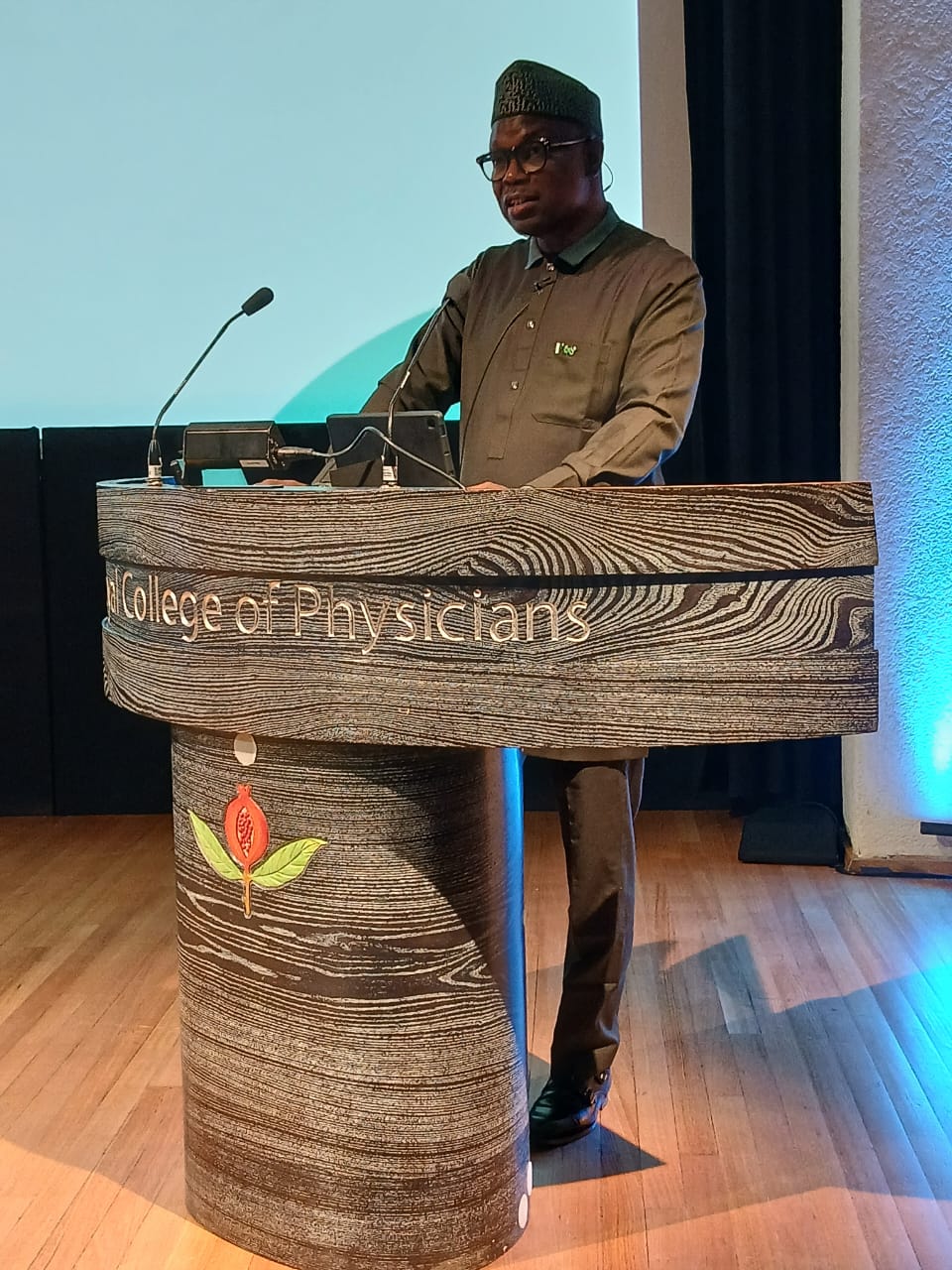
Speaking in London at the 2026 United Kingdom Global Health Summit, the Minister of State for Health and Social Welfare, Dr. Iziaq Adekunle Salako, outlined a vision that places Nigerian-trained doctors, nurses, and specialists at the centre of both national and global health advancement.
From the Royal College of Physicians, Salako portrayed the Nigerian diaspora health community estimated at more than 150,000 worldwide not as a brain drain, but as a valuable resource that can be strategically mobilized to advance national healthcare development.
He urged stronger collaboration with host countries, international organisations, and diaspora networks to formalise pathways for skills transfer, investment, and knowledge exchange.
At a time when global health systems are struggling with workforce shortages, Nigeria’s approach seeks to reframe migration as a shared opportunity rather than a one-sided drain.
Salako maintained that the current trend, where developing countries train professionals who later relocate permanently, is unsustainable, calling instead for structured agreements that ensure mutual benefit.
Such arrangements, he explained, should include joint training, managed mobility, and systems that encourage professionals to return home with enhanced expertise.
He also highlighted the need to rebalance global health research by ensuring that low- and middle-income countries contribute meaningfully to shaping priorities and solutions.
On the domestic front, the minister pointed to ongoing reforms under President Bola Ahmed Tinubu, including expanded training capacity through collaboration with the Federal Ministry of Health, National Universities Commission, and the Medical and Dental Council of Nigeria.
He noted that admissions into medical schools and other health training programmes have risen significantly, alongside increased investment in paramedical education and community-based care models.
While reaffirming Nigeria’s commitment to improved health financing, Salako emphasised the need for both domestic investment and international support, urging stakeholders to adopt innovative funding mechanisms to strengthen the system.
“Global health challenges, he noted, cannot be tackled in isolation, and building a resilient, equitable healthcare system will depend on sustained collaboration and shared commitment across nations.”
